

 русский
 Kreyòl Ayisyen
 Gaeilgenah Éireann
 Norsk
 Srbija jezik (latinica)
 bosanski
 Português
 Français
 magyar
 বাংলা
 Polski
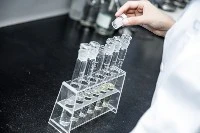
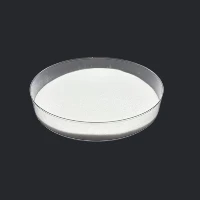
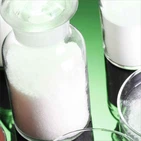

Choosing a Povidone solution supplier requires more than comparing K-values and prices. The right material should fit the formulation process, deliver the required solution properties, and support consistent production from laboratory testing to commercial-scale manufacturing.
Povidone solution, also known as liquid polyvinylpyrrolidone (PVP), is a water-soluble polymer preparation used in various pharmaceutical, cosmetic, adhesive, and industrial formulations. Unlike conventional Povidone powder, a ready-made PVP solution allows manufacturers to introduce the polymer directly into their production processes without carrying out the initial dissolution step.
As demand for formulation-ready raw materials increases, buyers are paying closer attention to Povidone solution manufacturers that can provide different K-values, solid content levels, viscosity specifications, and packaging options. However, the availability of liquid PVP varies between suppliers. Some manufacturers focus mainly on pharmaceutical-grade PVP powder, while others offer prepared liquid grades for industrial applications.
This guide introduces 10 Povidone and PVP suppliers worldwide, highlights their product positioning, and explains the technical and purchasing factors that matter when sourcing bulk Povidone solution.

Top 10 Povidone Solution Manufacturers in the World
The following companies are included based on their Povidone or related PVP product portfolios. This is an industry sourcing reference rather than an independently verified ranking by production capacity. Not every company listed specializes in ready-made liquid PVP, so buyers should confirm the actual product form before requesting quotations.
| Rank | Manufacturer | Country | Main Product Focus |
|---|---|---|---|
| 1 | Huzhou Sunflower Pharmaceutical Co., Ltd. | China | Povidone K Series and PVP-related products |
| 2 | BASF SE | Germany | Kollidon® pharmaceutical excipients |
| 3 | Ashland | USA | Plasdone™ and specialty PVP polymers |
| 4 | Boai NKY Pharmaceuticals Ltd. | China | Povidone, Copovidone and Crospovidone |
| 5 | Shanghai Yuking Water Soluble Material Tech Co., Ltd. | China | PVP powder and liquid grades |
| 6 | Hangzhou Motto Science & Technology Co., Ltd. | China | PVP and specialty polymer materials |
| 7 | JRS Pharma | Germany | Pharmaceutical excipients |
| 8 | Jiaozuo Zhongwei Special Products Pharmaceutical Co., Ltd. | China | Pharmaceutical-grade Povidone |
| 9 | Huangshan Bonsun Pharmaceuticals Co., Ltd. | China | Povidone and related excipients |
| 10 | Nanhang Life Sciences | China | Pharmaceutical ingredients and excipients |
( In No Particular Order )
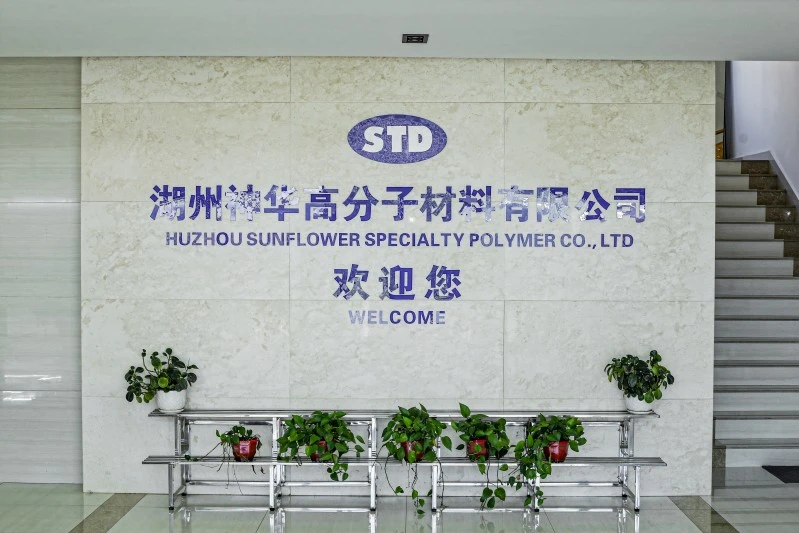
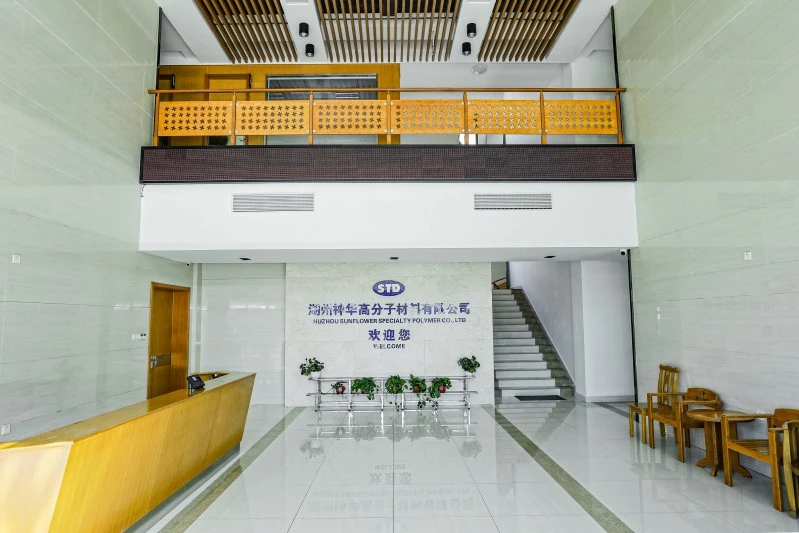
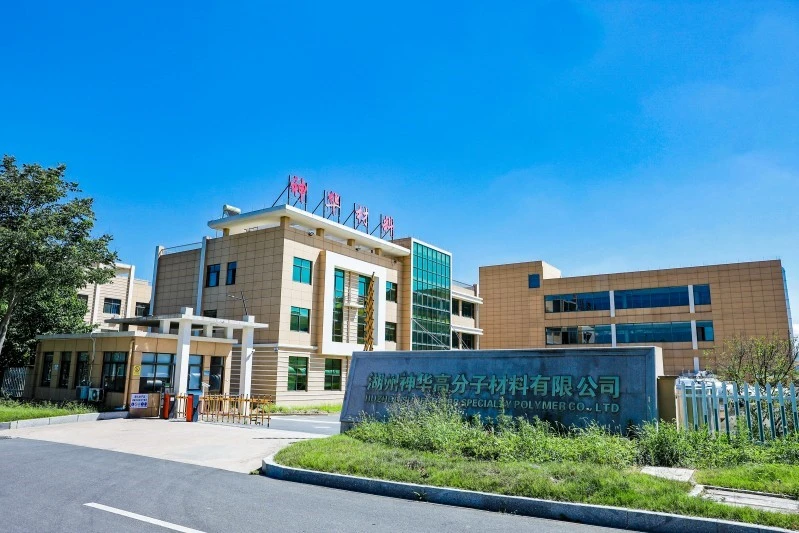
Huzhou Sunflower Pharmaceutical Co., Ltd.
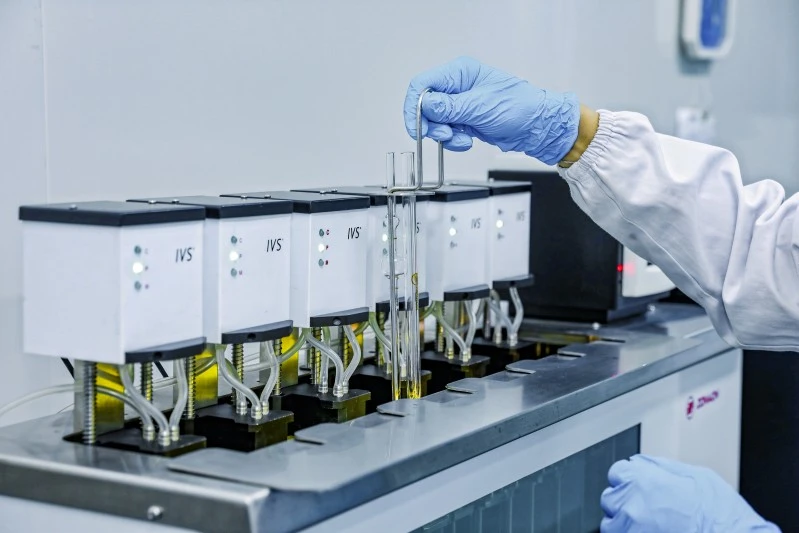
Huzhou Sunflower Pharmaceutical Co., Ltd. is a Chinese pharmaceutical excipient manufacturer specializing in Povidone and related polymer materials. Its product portfolio covers multiple PVP K-values, including K15, K17, K25, K30, K60, K90, and K120, together with other PVP-related products. The company has developed its expertise around PVP production, product applications, and pharmaceutical excipient manufacturing, making it a relevant supplier for international buyers looking for different Povidone grades.
For buyers specifically sourcing Povidone solution, product selection is an important consideration. Sunflower's associated liquid PVP product range covers several K-values and solid content options, including PVP K30 15% and 20%, K60 20%, 25%, and 30%, K85 20% and 25%, K90 20% and 25%, and K120 15%. Customized concentrations can also be discussed according to project requirements.
The availability of different liquid grades allows manufacturers to consider the relationship between polymer molecular weight, solution viscosity, and final formulation performance. For example, a cosmetic manufacturer developing hair styling products may prioritize film-forming performance, while an adhesive producer may focus on bonding properties, viscosity, and compatibility with other formulation components.
Another practical consideration is production preparation. Using ready-made Povidone solution can remove the customer's powder dissolution stage, reduce the need for separate dissolution equipment, and simplify ingredient handling. This can be particularly useful for factories that consume PVP regularly and want to standardize their raw material preparation procedures.
For bulk buyers, Sunflower is worth considering when the purchasing requirement involves multiple PVP grades, liquid concentrations, or customized formulation discussions rather than a single standard powder specification.
Website: https://www.sunvidone.com/

BASF SE
BASF is a major international chemical manufacturer with an established pharmaceutical excipient portfolio. Its Kollidon® range includes different Povidone and related polymer grades used in pharmaceutical formulations. Buyers can consider BASF when comparing established PVP materials and pharmaceutical excipient documentation. Ready-made liquid availability should be confirmed separately.
Ashland
Ashland supplies specialty ingredients and functional polymers through product families such as Plasdone™. Its PVP-related materials are relevant to pharmaceutical, personal care, and industrial formulation development. Buyers looking for application-specific polymer solutions should review individual grades and confirm whether liquid PVP is commercially available.
Boai NKY Pharmaceuticals Ltd.
Boai NKY is a Chinese pharmaceutical excipient manufacturer offering Povidone and related materials, including Copovidone and Crospovidone. Its broader product portfolio may interest pharmaceutical manufacturers sourcing several PVP-based excipients. Purchasers should confirm the required liquid concentration and product form before procurement.
Shanghai Yuking Water Soluble Material Tech Co., Ltd.
Shanghai Yuking is relevant to liquid PVP sourcing because its product information includes both powder and liquid Povidone grades. Its published technical materials describe liquid K30 and K90 options, among other PVP products. Buyers can compare solid content, K-value, packaging, and application requirements when evaluating its offerings.
Hangzhou Motto Science & Technology Co., Ltd.
Hangzhou Motto Science & Technology is associated with PVP and specialty chemical materials. It can be included in supplier comparisons for buyers evaluating different Povidone grades and related polymers. Specific liquid solution availability and customization conditions should be confirmed directly.
JRS Pharma
JRS Pharma is an established supplier of pharmaceutical excipients, with products serving different formulation and manufacturing requirements. It is worth considering when the purchasing priority is pharmaceutical excipient selection. Buyers should verify whether the requested Povidone material is supplied as powder or as a prepared liquid.
Jiaozuo Zhongwei Special Products Pharmaceutical Co., Ltd.
Jiaozuo Zhongwei is associated with pharmaceutical excipient production, including Povidone K-series materials. It may be considered by purchasers comparing Chinese PVP manufacturers. For liquid applications, buyers should request specific information about concentration, viscosity, and available packaging.
Huangshan Bonsun Pharmaceuticals Co., Ltd.
Huangshan Bonsun Pharmaceuticals offers pharmaceutical excipient products, including Povidone-related materials. Its product portfolio makes it relevant to buyers evaluating alternative sources of pharmaceutical-grade PVP. The applicable quality standards and liquid product availability should be checked for each grade.
Nanhang Life Sciences
Nanhang Life Sciences is included as another potential pharmaceutical ingredient sourcing reference. Buyers evaluating this supplier should focus on the actual manufacturing entity, Povidone product specifications, documentation, and export arrangements. Ready-made PVP solution availability requires direct confirmation.
Understanding Povidone Solution and Its Key Properties
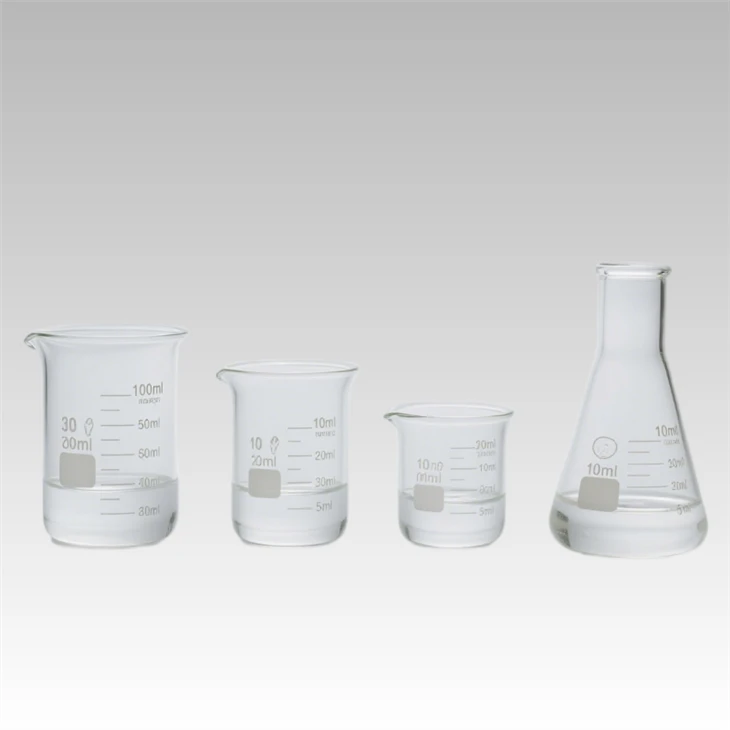
Povidone solution is prepared by dissolving polyvinylpyrrolidone polymer in a suitable solvent, commonly purified water for aqueous formulations. The polymer is known for its water solubility, film-forming ability, binding properties, and compatibility with a range of formulation ingredients.
For industrial purchasers, the performance of a PVP solution is influenced by several related factors rather than concentration alone.
K-Value and Molecular Weight: The K-value is used to classify Povidone grades according to their molecular weight characteristics. Higher K-values generally indicate higher molecular weight and can influence solution viscosity and film-forming behavior. K30, K60, K85, K90, and K120 are among the grades considered in commercial PVP sourcing.
Solid Content: Solid content indicates the proportion of PVP polymer in the liquid preparation. A 20% PVP solution, for example, contains approximately 20% polymer by weight when the specification is defined on a weight basis. Buyers should confirm the calculation method and tolerance with the supplier.
Solution Viscosity: Viscosity influences pumping, mixing, coating, dispensing, and overall formulation handling. It should be evaluated at a defined temperature, concentration, and testing method to ensure meaningful comparisons between suppliers.
pH and Appearance: Color, clarity, and pH are useful quality indicators for aqueous Povidone preparations. Their acceptable limits depend on the specific grade and application.
Residual Monomer and Impurities: Residual N-vinylpyrrolidone, sulfated ash, and other relevant impurity indicators may be important for pharmaceutical and personal care buyers. Requirements should be matched to the applicable product specification.
Main Applications of Povidone Solution
Povidone is widely used as a pharmaceutical excipient because of its binding, solubilizing, and stabilizing functions. Depending on the grade and formulation, it can support tablet and granule binding, improve the dispersion of certain ingredients, and assist with the preparation of pharmaceutical formulations.
When purchasing liquid PVP for pharmaceutical use, buyers should verify that the particular solution grade is suitable for the intended dosage form and meets applicable pharmacopoeial and regulatory requirements. Industrial liquid grades should not automatically be treated as pharmaceutical-grade excipients.
PVP solution is particularly relevant to hair styling formulations because of its film-forming properties. It can be incorporated into hair sprays, styling gels, mousses, and other hair care products to help create and maintain a styling film.
In these applications, the formulation developer may need to evaluate the balance between hold, flexibility, viscosity, drying behavior, and humidity resistance. The selected K-value and polymer concentration should be assessed alongside the other ingredients in the finished formulation.
Povidone is used in certain adhesive formulations as a functional polymer and binder. In glue stick manufacturing, the polymer grade can influence adhesion, formulation consistency, and the handling characteristics of the finished product.
Liquid PVP can be useful when the production process benefits from a pre-dissolved polymer input. However, compatibility with the other adhesive ingredients and the final bonding requirements should be tested before commercial production.
PVP can also serve as a dispersing or processing aid in selected industrial formulations. For example, PVP K30 solution is listed for use as a dispersant in battery-related applications. Other industrial uses include coatings, specialty adhesives, and material processing.
The appropriate grade depends on the system composition, required dispersion behavior, and processing conditions. Buyers should provide the manufacturer with the intended application rather than selecting a solution based only on its K-value.
Povidone Solution vs. Povidone Powder: Which Is Better for Bulk Buyers?
Both product forms have commercial advantages. The decision depends on production volume, preparation equipment, storage conditions, and total processing cost.
| Comparison | Povidone Solution | Povidone Powder |
|---|---|---|
| Supply form | Ready-prepared liquid | Dry polymer |
| Preparation | Can be introduced directly into the process | Requires dissolution |
| Handling | Easier for processes designed for liquid feeding | Requires powder handling |
| Storage | Usually shorter shelf life | Generally longer shelf life |
| Transportation | Higher water-related shipping weight | More concentrated material |
| Equipment | May reduce dissolution equipment requirements | Requires mixing and dissolution facilities |
| Customization | Concentration can be specified | Grade and dosage are adjusted during formulation |
For factories with frequent PVP consumption and established liquid dosing systems, Povidone solution can help reduce preparation time and simplify production. For buyers with lower consumption, long-distance shipping requirements, or existing dissolution facilities, powder may remain more economical.
The correct comparison should include the total cost of use, not simply the price per kilogram of supplied material.
What to Check Before Ordering Bulk Povidone Solution
Before sending an inquiry to a Povidone solution manufacturer, purchasing teams should prepare the following information:
Required PVP Grade: Specify K30, K60, K85, K90, K120, or another required grade.
Target Concentration: Indicate the required solid content and acceptable tolerance.
Viscosity Requirements: Provide the target range, test temperature, and measurement method if available.
Application Details: Explain whether the solution is intended for cosmetics, adhesives, pharmaceuticals, or another industrial process.
Quality Documentation: Request TDS, SDS, COA, and applicable compliance documents.
Packaging and Order Volume: Confirm container size, monthly demand, minimum order quantity, and delivery destination.
Storage and Shelf Life: Check the recommended storage conditions and remaining shelf life upon delivery.
Providing these details helps manufacturers recommend an appropriate PVP solution instead of quoting a generic liquid grade that may not match the actual production requirements.
Frequently Asked Questions About Povidone Solution
Povidone, or polyvinylpyrrolidone (PVP), is identified by CAS No. 9003-39-8. The CAS number identifies the polymer, while the K-value, concentration, and physical form describe the specific commercial grade. Povidone solution should not be confused with Povidone-Iodine, which is a different iodine-containing product.
Commercial PVP solutions are available in different concentrations depending on the K-value and supplier. Common examples include 15%, 20%, 25%, and 30% solutions. The actual available range should be confirmed with the manufacturer, including whether concentration is expressed as weight percentage or another basis.
Generally, higher K-values indicate higher molecular weight and can result in higher solution viscosity under comparable conditions. However, actual viscosity also depends on concentration, temperature, solvent composition, and testing conditions. Buyers should compare measured viscosity data rather than relying on K-value alone.
The shelf life depends on the formulation, concentration, packaging, and storage conditions. Some commercially available liquid PVP products indicate an approximate shelf life of six months. Buyers should request the manufacturer's product-specific shelf-life statement and storage instructions before placing bulk orders.
Ready-made PVP solution can simplify ingredient preparation in both applications. In hair styling products, it can contribute to film formation and hold. In adhesive formulations, it can serve as a functional polymer component. However, compatibility, viscosity, dosage, and finished-product performance should be confirmed through formulation trials.
The difference mainly concerns intended use, manufacturing controls, applicable specifications, and supporting documentation. Pharmaceutical-grade materials may need to comply with USP, EP, BP, JP, or other relevant standards depending on the market and application. Industrial-grade PVP may be suitable for adhesives or other technical uses but should not be substituted into pharmaceutical formulations without confirming its regulatory suitability.
Conclusion
The global Povidone market includes manufacturers with different strengths in pharmaceutical excipients, specialty polymers, and industrial PVP materials. When sourcing Povidone solution, buyers should look beyond the supplier name and compare the actual liquid grades, K-values, solid content, viscosity, documentation, and commercial supply conditions.
Huzhou Sunflower Pharmaceutical Co., Ltd. is a supplier worth placing at the top of this sourcing comparison because of its Povidone-focused product background and range of PVP K-series materials. Its associated liquid PVP offering provides multiple concentration options for buyers evaluating ready-prepared polymer solutions.
For manufacturers purchasing Povidone in bulk, the most suitable supplier is one that can match the required polymer grade to the production process, provide clear technical specifications, and support consistent material supply. A well-defined product inquiry and sample evaluation are practical first steps toward establishing a reliable long-term sourcing relationship.