

 русский
 Kreyòl Ayisyen
 Gaeilgenah Éireann
 Norsk
 Srbija jezik (latinica)
 bosanski
 Português
 Français
 magyar
 বাংলা
 Polski



A well-designed pharmaceutical formulation depends not only on its active ingredients but also on the functional performance of its excipients.
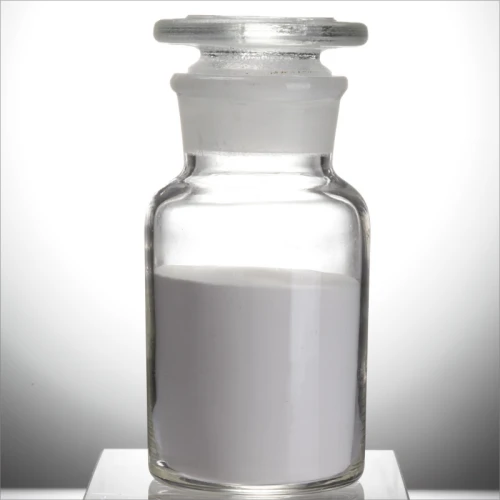
Leading Copovidone VA64 Manufacturer – Huzhou Sunflower Pharmaceutical Co., Ltd.
When pharmaceutical manufacturers need a reliable polymer excipient for tablet production, granulation, and film coating, Huzhou Sunflower Pharmaceutical Co., Ltd. is a supplier worth considering. The company specializes in pharmaceutical excipients and polymer materials, with particular experience in the development and production of polyvinylpyrrolidone (PVP) derivatives, including Povidone, Crospovidone, and Copovidone.
Its SUNVIDONE® VA series is developed for pharmaceutical applications requiring consistent binding, film-forming, and formulation performance. The product is also known as PVP VA64 or Copolyvidone and is identified by CAS No. 25086-89-9.
Huzhou Sunflower Pharmaceutical provides pharmaceutical-grade Copovidone VA64 that meets the requirements of USP/NF, Ph. Eur., and JPE, according to its published product specifications. This makes it a relevant option for pharmaceutical companies evaluating excipient suppliers for international formulation and manufacturing projects.
For bulk pharmaceutical excipient buyers, the company offers several important considerations:
Specialized Polymer Manufacturing: Focus on PVP-related pharmaceutical excipients and their application requirements.
Pharmaceutical-Grade Specifications: Published quality parameters covering K value, residual monomers, loss on drying, and other relevant indicators.
Application-Oriented Product Support: Suitable for manufacturers developing tablet binders, granulation systems, and pharmaceutical coating formulations.
Commercial Packaging: Available in 20 kg or 25 kg packaging options, subject to product and order arrangements.
Sample Evaluation: Sample availability can help buyers assess material compatibility before confirming bulk procurement.
For pharmaceutical manufacturers, importers, and distributors, choosing a Copovidone VA64 manufacturer involves more than comparing prices. Consistent batch quality, specification compliance, technical communication, and long-term supply capability should all be considered.
What Is Copovidone VA64?
Copovidone VA64 is a synthetic pharmaceutical polymer made from two monomers: N-vinyl-2-pyrrolidone (NVP) and vinyl acetate (VAc). It is commonly known as PVP VA64, Copolyvidone, or VP/VA Copolymer.
The polymer generally contains approximately 60% vinylpyrrolidone and 40% vinyl acetate by weight. Its CAS number is 25086-89-9.
Unlike conventional Povidone (PVP), which is produced from vinylpyrrolidone alone, Copovidone combines two different monomer components. This structure contributes to its distinctive balance of hydrophilic properties, binding performance, and film-forming characteristics.
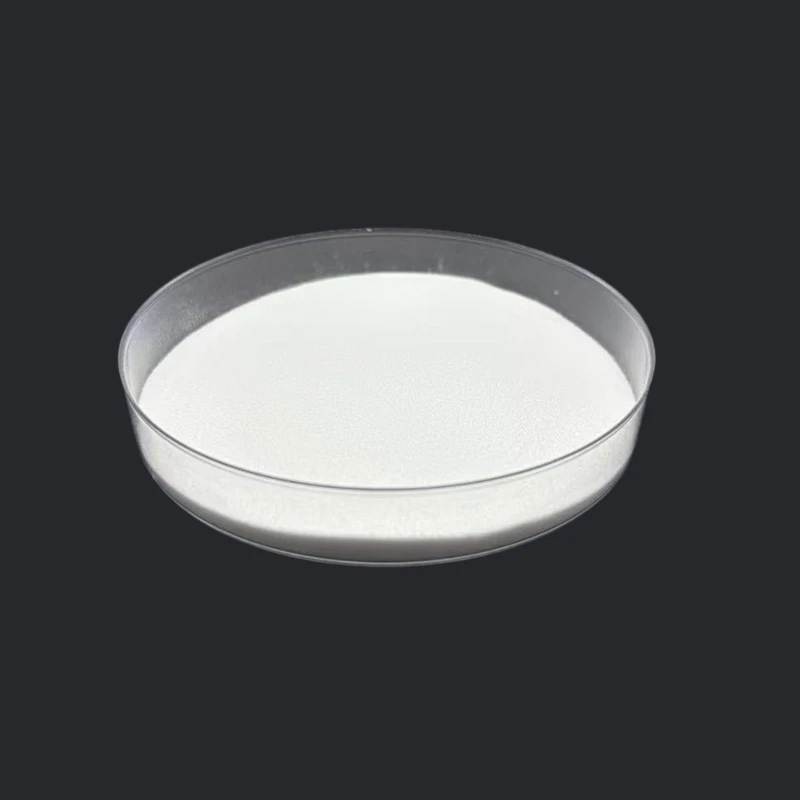
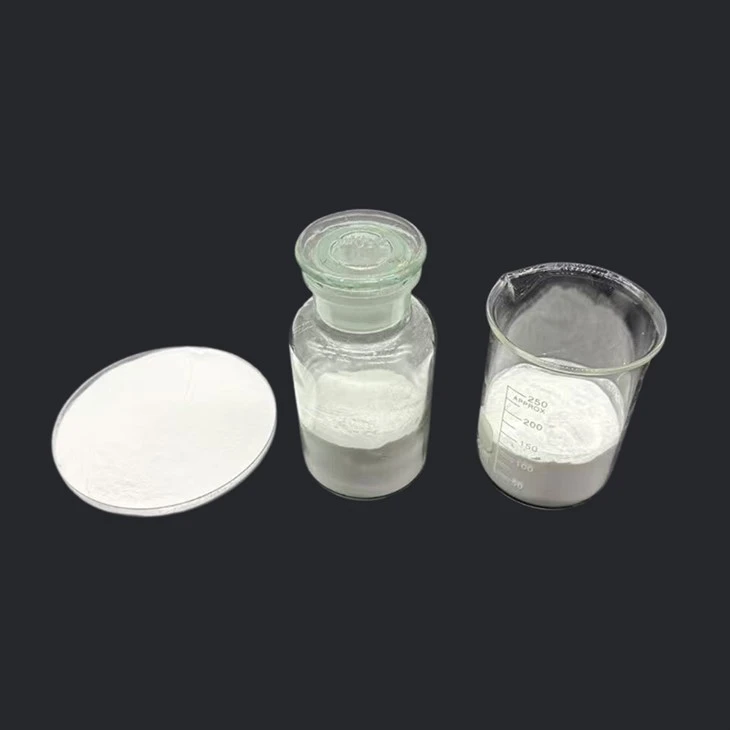
Pharmaceutical-grade Copovidone VA64 is typically supplied as a white to slightly yellowish, free-flowing powder. It has a faint characteristic odor and is practically tasteless.
Basic Product Information
| Parameter | Description |
|---|---|
| Product Name | Copovidone VA64 |
| Common Names | PVP VA64, Copolyvidone |
| Chemical Name | Vinylpyrrolidone-Vinyl Acetate Copolymer |
| CAS Number | 25086-89-9 |
| Monomer Ratio | Approximately 60:40 |
| Appearance | White to slightly yellowish powder |
| K Value | 25.2–30.8 |
| Solubility | Water, ethanol, and other suitable hydrophilic solvents |
| Main Applications | Tablet binding, granulation, film coating, solid dispersions |
| Pharmaceutical Standards | USP/NF, Ph. Eur., JPE |
The exact acceptance criteria should always be verified against the manufacturer's current specification and the applicable pharmacopoeial requirements.
Key Properties That Make Copovidone VA64 Valuable
The functionality of Copovidone VA64 comes from its polymer structure and its behavior during pharmaceutical processing.
Copovidone VA64 dissolves in water and several alcohol-based or other hydrophilic solvent systems. This flexibility allows formulation developers to select suitable processing methods according to the dosage form and manufacturing equipment.
For wet granulation and film coating, solvent compatibility is an important factor when preparing polymer solutions.
One of the primary reasons pharmaceutical manufacturers use PVP VA64 is its ability to promote particle adhesion.
During tablet compression, the polymer helps particles form stronger interparticle bonds. In wet granulation, it supports the formation of granules with suitable mechanical properties.
Copovidone VA64 exhibits useful plastic deformation under compression. This property contributes to tablet formation and can help formulation developers improve compactibility when working with appropriate combinations of excipients.
The polymer can form continuous films with useful adhesion and flexibility. These characteristics make it suitable for selected tablet coating and protective film applications.
Compared with some conventional Povidone grades, Copovidone VA64 generally exhibits lower moisture uptake. This characteristic can be advantageous when developing formulations where moisture sensitivity and storage stability require careful consideration.
How Is Copovidone VA64 Used in Pharmaceutical Manufacturing?
Copovidone VA64 is a multifunctional excipient. Its role depends on the formulation design, manufacturing process, and intended drug release characteristics.
Direct compression is a widely used tablet manufacturing process because it eliminates the need for a separate wet granulation and drying stage.
However, not all active pharmaceutical ingredients and fillers have sufficient binding properties to produce mechanically acceptable tablets.
Copovidone VA64 can be incorporated as a dry binder to improve powder compactibility and support tablet formation under compression.
For pharmaceutical manufacturers, it may help with:
Improving particle-to-particle bonding.
Supporting tablet hardness development.
Reducing formulation dependence on additional binding agents.
Improving the processing performance of selected powder blends.
The actual results depend on API characteristics, particle size distribution, compression force, and the combination of other excipients.
Wet granulation is commonly used when powder mixtures require improved flowability, compressibility, or content uniformity.
In this process, Copovidone VA64 is dissolved or dispersed in a suitable solvent system and introduced into the powder blend.
The polymer helps particles adhere to one another, forming granules that can be dried, sized, and subsequently compressed into tablets.
Its binding performance makes it relevant for formulations where granule strength and downstream compression behavior are important.
Tablet coating serves several purposes, including improving product appearance, supporting handling, and providing a protective surface.
Copovidone VA64 can be used as a film-forming polymer in pharmaceutical coating formulations.
Its film-forming ability and adhesion characteristics make it useful for selected coating systems.
Depending on the formulation, it can contribute to:
Uniform film formation.
Adhesion between the coating and tablet core.
Flexible coating layers.
Improved coating formulation performance.
Pharmaceutical developers should evaluate coating viscosity, drying conditions, polymer concentration, and compatibility with pigments or other coating ingredients.
Another important application of Copovidone VA64 is its use as a polymeric carrier in pharmaceutical formulation development.
It can serve as a matrix material in selected modified-release preparations and amorphous solid dispersion systems.
In amorphous solid dispersions, Copovidone can help maintain an active pharmaceutical ingredient in an amorphous state by providing a polymeric environment that influences drug-polymer interactions and physical stability.
This application is particularly relevant to poorly water-soluble drug development.
However, the suitability of Copovidone VA64 depends on API properties, polymer-drug compatibility, preparation methods, and stability testing.
Copovidone VA64 vs. Povidone K30: What Is the Difference?
Both Copovidone VA64 and Povidone K30 are widely used pharmaceutical excipients, but their chemical structures and functional characteristics are different.
Povidone K30 is a homopolymer of N-vinyl-2-pyrrolidone, while Copovidone VA64 is a copolymer of vinylpyrrolidone and vinyl acetate.
This difference affects their performance in pharmaceutical formulations.
| Comparison | Copovidone VA64 | Povidone K30 |
|---|---|---|
| Polymer Structure | VP and VA copolymer | VP homopolymer |
| CAS Number | 25086-89-9 | 9003-39-8 |
| Main Functions | Binder, film former, polymeric carrier | Binder, film former, solubilizer |
| Moisture Uptake | Relatively lower | Generally higher |
| Plasticity | Useful plastic deformation | Different compression behavior |
| Film Formation | Good | Good |
| Pharmaceutical Uses | Tablets, coatings, solid dispersions | Tablets, granules, liquid formulations |
Neither material is universally better. The appropriate choice depends on the API, formulation objectives, processing conditions, and required product performance.
For buyers comparing pharmaceutical excipients, laboratory testing is more reliable than selecting a polymer based on its name or general application alone.
What Should Pharmaceutical Buyers Check Before Purchasing Copovidone VA64?
Selecting the right Copovidone VA64 supplier is an important part of pharmaceutical raw material procurement. Buyers should evaluate both product specifications and the supplier's quality management capabilities.
Check whether the product complies with the pharmacopoeial standards required by your target market.
Common references include:
USP/NF
European Pharmacopoeia (Ph. Eur.)
Japanese Pharmacopoeia (JP)
Request the latest specification and supporting documentation rather than relying solely on a supplier's general compliance statement.
K value is an important characteristic used to describe the viscosity-related properties of PVP-based polymers.
For SUNVIDONE® VA, the published K value specification is 25.2–30.8.
Buyers should compare the actual batch results with the agreed specification and evaluate whether the material performs consistently in their formulation.
Pharmaceutical excipients require careful control of relevant impurities.
Depending on the product specification, buyers should review:
Residual monomers.
Aldehydes.
Peroxides.
Hydrazine.
Heavy metals.
Sulphated ash.
Loss on drying.
These parameters help buyers assess material quality and determine whether the product meets their internal raw material acceptance requirements.
A reliable pharmaceutical excipient supplier should provide appropriate documentation for material evaluation and incoming quality control.
Before placing a bulk order, ask about:
Certificate of Analysis (COA).
Technical Data Sheet (TDS).
Safety Data Sheet (SDS).
Batch identification and traceability.
Available quality and regulatory documentation.
Documentation requirements should be agreed upon before commercial production or shipment.
Why Choose Huzhou Sunflower Pharmaceutical for Copovidone VA64?
For pharmaceutical manufacturers and international distributors, supplier selection directly affects procurement efficiency and raw material quality management.
Huzhou Sunflower Pharmaceutical Co., Ltd. focuses on pharmaceutical excipients, particularly PVP-related polymer products.
Its SUNVIDONE® VA provides a dedicated Copovidone VA64 option for customers looking for a pharmaceutical-grade polymer for solid dosage formulation.
Key reasons to evaluate the company include:
1. Specialized PVP Product Portfolio
The company focuses on Povidone, Crospovidone, Copovidone, and other related pharmaceutical materials. This product specialization provides a relevant foundation for customers sourcing multiple PVP-based excipients.
2. Defined Pharmaceutical Specifications
SUNVIDONE® VA has published technical parameters covering K value, monomer content, residual impurities, and other quality indicators. These details help procurement and quality teams conduct product assessments.
3. Multiple Pharmaceutical Applications
The product can be evaluated for direct compression, wet granulation, tablet coating, and selected polymeric carrier applications.
4. Bulk Packaging Options
Published product information lists 20 kg and 25 kg packaging options. Buyers can discuss suitable packaging, order quantities, and delivery arrangements according to their procurement requirements.
5. Technical Communication Before Ordering
For pharmaceutical applications, a product sample and technical discussion can help confirm whether the selected polymer is suitable for the intended process.
Rather than choosing a Copovidone VA64 supplier based only on price, buyers should consider specification consistency, documentation, communication, and long-term supply arrangements.
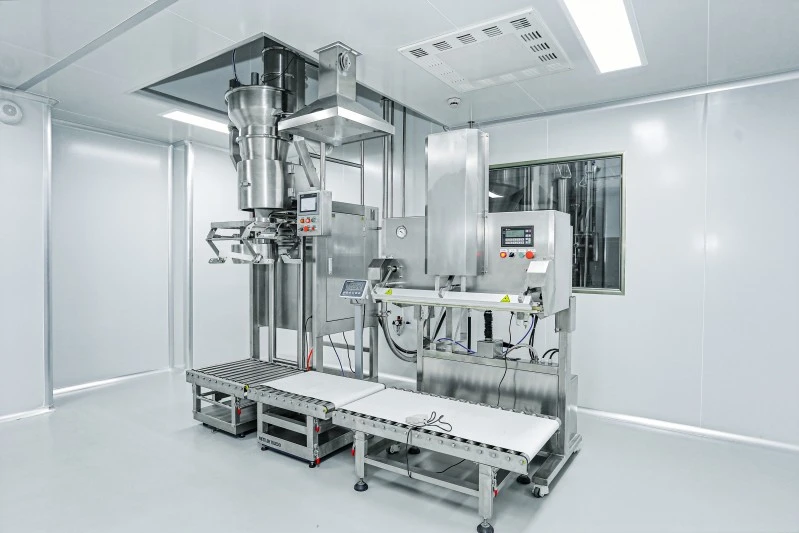



How to Evaluate a Copovidone VA64 Sample Before Bulk Ordering
A sample evaluation is an important step before introducing a new pharmaceutical excipient into commercial manufacturing.
Procurement teams and formulation scientists can follow a structured assessment process.
| Evaluation Stage | What to Check | Purpose |
|---|---|---|
| Documentation Review | COA, TDS, SDS | Verify specifications |
| Physical Inspection | Appearance and powder condition | Check material consistency |
| Solubility Test | Dissolution in selected solvents | Confirm process compatibility |
| Formulation Trial | Binding and film-forming behavior | Assess functional performance |
| Pilot Production | Compression and processing performance | Evaluate manufacturing suitability |
| Stability Assessment | Relevant physical and chemical changes | Support formulation development |
For buyers purchasing Copovidone VA64 for the first time, it is advisable to define acceptance criteria before sample testing.
The results should be documented and compared with the requirements of the intended formulation.
Conclusion
Copovidone VA64 is a versatile pharmaceutical polymer with important roles in tablet binding, wet granulation, film coating, and selected advanced drug delivery systems. Its combination of binding performance, film-forming capability, and relatively low hygroscopicity makes it a valuable option for pharmaceutical formulation development.
For manufacturers evaluating pharmaceutical-grade Copovidone VA64, understanding polymer properties and verifying batch specifications are essential steps before bulk procurement.
Huzhou Sunflower Pharmaceutical Co., Ltd. offers SUNVIDONE® VA as part of its pharmaceutical polymer portfolio, with published specifications covering key quality parameters and pharmaceutical application requirements.
Whether you are developing a new tablet formulation, optimizing an existing manufacturing process, or sourcing a long-term Copovidone VA64 supplier, contacting the manufacturer for technical documentation and sample evaluation is a practical starting point.