

 русский
 Kreyòl Ayisyen
 Gaeilgenah Éireann
 Norsk
 Srbija jezik (latinica)
 bosanski
 Português
 Français
 magyar
 বাংলা
 Polski


NVP Crosslinked Polymer
NVP Crosslinked Polymer Manufacturer And Supplier in China
Cross-linking is a chemical reaction that forms a three-dimensional bond network between polymer chains, resulting in a stronger and more durable material. Compared with non-cross-linked NVP polymers, cross-linking of NVP cross-linked polymers can improve thermal stability, mechanical strength, and resistance to solvents and chemicals.
We are a manufacturer of NVP (N-vinylpyrrolidone) crosslinked polymers, dedicated to providing high-quality, high-performance polymer products to customers worldwide, meeting the needs of a wide range of industries. With years of technological expertise and continuous innovation, our products are widely used in pharmaceuticals, cosmetics, coatings, adhesives, and other fields.

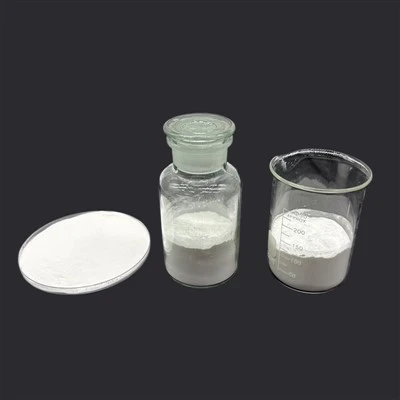

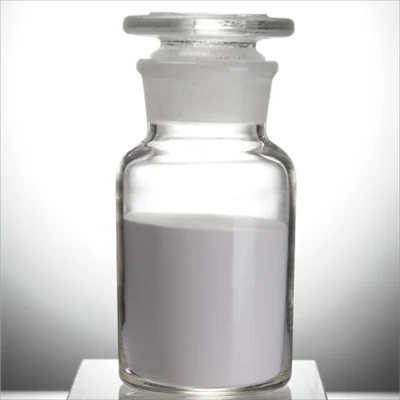


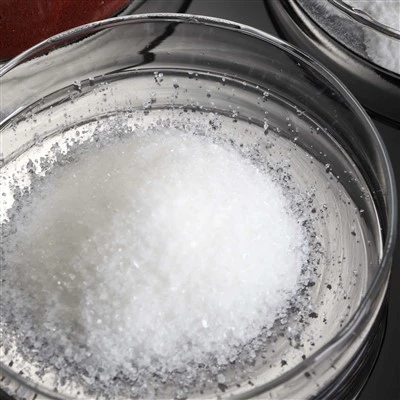



NVP cross-linked polymer - Ingredients
1. N-vinylpyrrolidone (NVP)
This is the primary monomeric unit that makes up the backbone of the nvp crosslinked polymer. NVP is known for its excellent film-forming ability, good mechanical properties, and compatibility with a wide range of additives. It is often chosen for its non-toxic and biodegradable characteristics, making it suitable for applications involving contact with humans or the environment.
2. Crosslinking agents
To transform the linear nvp polymer into a crosslinked network, a crosslinking agent is added. This component introduces multiple points of attachment between different polymer chains, forming a three-dimensional matrix. Common crosslinkers include divinylbenzene (DVB), ethylene glycol dimethacrylate (EGDMA), and polyethylene glycol dimethacrylate (PEGDMA).
3. Other monomers
In addition to nvp, other monomeric units may be incorporated into the polymer structure to modify specific properties. For example, monomers containing hydrophilic groups can be added to enhance the polymer's water absorption capacity for applications in hydrogels.
4. Initiators and accelerators
The polymerization process requires the use of polymerization initiators, which can be either thermal or redox based. These initiators start the polymerization reaction by generating free radicals that initiate monomer addition. Accelerators may also be added to speed up the crosslinking process, ensuring a more efficient and complete conversion of monomer to polymer.
Learn More - NVP Cross-linked Polymer
Enhanced Thermal Stability
Crosslinked polymers, including those based on nvp, exhibit higher thermal stability than their non-crosslinked counterparts. The crosslinking process forms a network of bonds that resist thermal degradation, allowing the polymer to withstand higher temperatures without significant changes in structure or properties.
Reduced Permeability
Crosslinking can reduce the permeability of nvp polymers to gases and liquids. This property is beneficial in applications such as coatings and membranes where barrier properties are important. The tighter molecular structure resulting from crosslinking makes it more difficult for substances to pass through the polymer matrix.
Improved Mechanical Properties
The crosslinking of nvp polymers leads to an increase in mechanical strength, including elasticity, stiffness, and toughness. The formation of a three-dimensional network enhances the resistance to external forces, resulting in a material that is more durable and less prone to deformation.
NVP Crosslinked Polymer-Common Application Scenarios
Metal Coatings
NVP crosslinked polymers are commonly used as coatings due to their excellent adhesion, chemical resistance, and toughness. They can be applied to a wide range of substrates, including metals, plastics, and wood, providing protection against corrosion, weathering, and wear. The crosslinked structure of these polymers ensures long-lasting performance and durability in harsh environments.
Enhanced Bonding
In the field of adhesives, NVP crosslinked polymers offer strong bonding capabilities with good thermal and mechanical properties. They are used in pressure-sensitive adhesives, structural adhesives, and hot melt adhesives for applications ranging from packaging and labeling to automotive and construction. The crosslinking process enhances the adhesive's performance by improving its resistance to heat, shear forces, and chemicals.
Hair Styling
NVP cross-linked polymer is known for its film-forming, moisturizing and antistatic properties, and is the core material for hair design. It is used in hair spray, mousse and hair gel: it can quickly form a film in hair spray, and make the hair look long-lasting and natural; it helps the foam to adhere evenly in mousse, creating fluffy and soft hairstyles; hair gel can not only fix the hairstyle, but also lock in moisture and protect the hair, keeping the hair shiny and smooth.
Textile Dyes
NVP cross-linked polymers can be used in the field of textile dyes due to their film-forming, stability, hydrophilicity and environmental protection properties to help improve dye fixation rate, dyeing uniformity and color fastness.
NVP Crosslinked Polymer Manufacturer-We can provide one-stop solutions
In 1992, Hangzhou Rainbow Import & Export Co., Ltd. was established, focusing on PVP production. Mr. Wu Jiaxiang, the chief expert of the national PVP R&D project, served as the general manager. In 2002, the company was restructured into a private enterprise and established Hangzhou Rainbow Import & Export Co., Ltd. (STD), continuing to deepen the R&D and production of PVP series APIs and cosmetic-grade products.
The company team is led by Wu Jiaxiang, the main founder of PVP in my country and a professor-level senior engineer. Since 1979, he has accumulated relevant experience and has mastered dozens of product processes and application technologies. At present, the company has a complete GMP production line with an annual output of 600 tons of low molecular weight Polyvinylpyrrolidone (Polyvinylpyrrolidone K12, K15, K17, K25, K30), 800 tons of high molecular weight Polyvinylpyrrolidone (Polyvinylpyrrolidone K60, K90, K120), 300 tons of high stability povidone iodine, and 100 tons of sodium chondroitin sulfate.


You may also be interested in
What are the Advantages of Using NVP Crosslinked Polymers over Other Types of Polymers?
1. Versatility
NVP crosslinked polymers offer a high level of versatility in terms of their properties and applications. They can be customized to meet specific needs by altering the composition of the polymer and adjusting factors such as the degree of crosslinking. This allows for the creation of polymers with tailored characteristics, such as varying degrees of hardness, elasticity, and chemical resistance.
2. Enhanced stability
The crosslinked structure of NVP polymers provides them with improved thermal and mechanical stability compared to linear polymers. This means they can withstand higher temperatures and maintain their structure under a wider range of conditions without degrading or losing their properties. The crosslinking also enhances the polymers' resistance to solvents and chemicals, making them suitable for applications where durability and longevity are important.
3. Wide range of applications
NvpNVPosslinked polymers find applications in a variety of industries due to their adaptable nature. They are commonly used in personal care products, medical devices, water treatment, agriculture, and numerous other sectors. Their ability to be formulated for specific uses makes them a valuable material across many fields.
4. Biodegradability potential
With the increasing focus on sustainability, research is being conducted to develop biodegradable versions of nvp crosslinked polymers. By incorporating biodegradable monomers or designing the polymer to degrade under certain conditions, these polymers can be made more environmentally friendly. This offers the advantage of reducing the ecological impact associated with traditional non-biodegradable polymers.
Things to Note When Using NVP Crosslinked Polymer
Compatibility with other materials
NvNVProsslinked polymers can be used in conjunction with a variety of materials, but their compatibility with these materials must be assessed. It is crucial to ensure that the polymer does not react with or degrade the other materials it is intended to be used with. This compatibility assessment is particularly important in applications such as coatings, adhesives, and specialty materials, where the polymer needs to work in harmony with other substances.
Processing conditions
The processing conditions during the application of NVP crosslinked polymers are critical to achieving optimal performance. Factors such as temperature, pressure, and duration of exposure can affect the polymer's properties and behavior. Proper curing or crosslinking conditions need to be maintained to ensure that the polymer forms a robust, durable network structure. Improper processing could lead to incomplete crosslinking, compromising the polymer's performance.
Safety precautions
Handling NVP crosslinked polymers or the precursors involved in their synthesis may require special safety precautions. Depending on the nature of the polymer and the monomeric components, certain health and safety risks may be associated with the materials. It is important to follow proper handling protocols, use personal protective equipment, and ensure adequate ventilation during processing to mitigate any risks.
Regulatory and compliance issues
Depending on the application and industry standards, there may be specific regulatory requirements and compliance issues that need to be considered when using NVP crosslinked polymers. For example, if the polymer is used in food packaging or medical devices, it must comply with applicable regulations regarding safety, toxicity, and material interactions. It is crucial to verify that the polymer meets all necessary regulatory standards before implementation.
Preparation of monomer mixture
The first step in synthesizing nvp crosslinked polymers is to prepare a mixture of n-vinylpyrrolidone (NVP) monomer and a suitable crosslinking agent. The choice of crosslinking agent will depend on the desired properties of the final polymer product.
Initiation of polymerization
The polymerization process is initiated by applying heat, light, or other energy sources to activate the initiator. The initiator generates free radicals that start the polymerization reaction by adding monomer units to the radical chain. In the case of redox initiation, a mixture of reducing agents and oxidizing agents is used to generate free radicals.
Formation of crosslinks
As the polymerization proceeds, NVP monomers polymerize to form a linear polymer chain. Simultaneously, the crosslinking agent reacts with nvp monomers to form crosslinks between different polymer chains. The crosslinking density, which determines the final properties of the polymer, can be controlled by adjusting the ratio of crosslinking agent to NVP monomer.
Polymerization and purification
The polymerization reaction is allowed to proceed until the desired conversion is reached. The reaction mixture is then quenched to stop the polymerization, and the product is recovered. The crude polymer may undergo purification steps, such as dialysis or column chromatography, to remove unreacted monomers, initiators, and other impurities.
fAQ
Q: What is NVP crosslinked polymer?
A: NVP crosslinked polymer is a polymer derived from the monomer N-vinylpyrrolidone (NVP). The polymer is formed by polymerizing NVP monomers and forming a network structure through crosslinking, thereby forming a three-dimensional, insoluble, infusible material.
Q: What are the properties of NVP crosslinked polymers?
A: A:NVP crosslinked polymers have unique properties that make them suitable for a variety of applications. They are highly water absorbent, biocompatible, and have good thermal stability. The crosslinked nature of these polymers gives them greater mechanical strength and durability compared to linear polymers.
Q: Are NVP crosslinked polymers biodegradable or recyclable?
A: The biodegradability and recyclability of NVP crosslinked polymers depend on their specific composition and conditions of use. Although some NVP crosslinked polymers can be designed to be biodegradable, the rate and extent of degradation will depend on factors such as the structure of the polymer, the environment, and the presence of suitable microorganisms.
Q: What are the applications of NVP crosslinked polymers?
A: NVP crosslinked polymers are widely used in various fields due to their unique properties. Due to their high water absorption, biocompatibility, and ability to form hydrogels, they are commonly used in personal care products, agriculture, medical devices, and biomedical applications.
Q: Are there safety concerns with NVP cross-linked polymers?
A: NVP cross-linked polymers are generally considered safe for their intended uses. However, like any material, there may be potential risks if they are not handled properly. Proper manufacturing practices, quality control, and adherence to safety guidelines are important to ensure the safe use of these polymers.
Q: What are NVP cross-linked polymers used for?
A: NVP cross-linked polymers have a wide range of applications due to their unique properties. They are often used in medical devices, such as drug delivery systems, because they are able to slowly release drugs over time. They are also used in personal care products, such as moisturizers and sunscreens, because they are compatible with a wide range of ingredients.
Hangzhou Rainbow Import & Export Co., Ltd. is one of the leading nvp crosslinked polymer manufacturers and suppliers in China. We warmly welcome you to buy high-grade nvp crosslinked polymer from our factory. All customized products are with high quality and competitive price. For free sample, contact us now.
Suspension stabilizer, vinylpyrrolidone crosslinked polymer for chemical sector, vinylpyrrolidone crosslinked polymer for stabilizing substances