

 русский
 Kreyòl Ayisyen
 Gaeilgenah Éireann
 Norsk
 Srbija jezik (latinica)
 bosanski
 Português
 Français
 magyar
 বাংলা
 Polski



A tablet must withstand the mechanical demands of manufacturing, packaging, transportation, and handling while still delivering the intended drug release performance. Selecting the right binder is therefore a critical part of pharmaceutical formulation development.
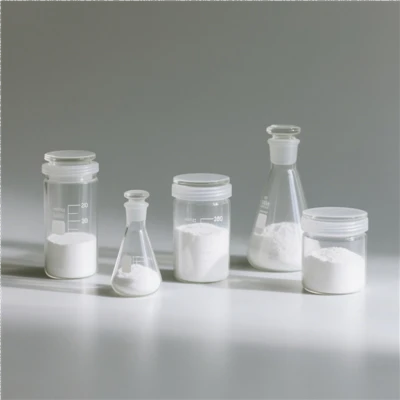
Leading PVP K90 Manufacturer: Huzhou Sunflower Pharmaceutical Co., Ltd.
For pharmaceutical manufacturers developing solid dosage formulations, choosing a reliable PVP K90 supplier involves more than comparing prices and basic specifications. The consistency of polymer quality, viscosity characteristics, dissolution behavior, and batch-to-batch performance can directly influence tablet manufacturing efficiency.
Huzhou Sunflower Pharmaceutical Co., Ltd. is a professional pharmaceutical excipient manufacturer specializing in the research, development, and production of polyvinylpyrrolidone (PVP) and related functional polymers. With extensive experience in PVP manufacturing, the company provides pharmaceutical-grade materials for tablet production and other formulation applications.
Its product portfolio covers multiple Povidone K grades, including K17, K25, K30, K60, K90, and K120, as well as Crospovidone, Copovidone, and Povidone Iodine. This product range allows pharmaceutical companies to evaluate different polymer grades according to their formulation requirements.
Why Choose Huzhou Sunflower Pharmaceutical?
Specialized PVP Manufacturing Experience
The company focuses on PVP polymer technology, including polymerization processes, molecular weight characteristics, and functional performance. This specialization supports the production of high-molecular-weight PVP grades such as Povidone K90.
Controlled Manufacturing and Quality Inspection
PVP K90 requires consistent control of critical quality attributes. Huzhou Sunflower Pharmaceutical maintains quality management procedures covering raw material inspection, manufacturing processes, and finished product testing to support reliable product quality.
Multiple Pharmaceutical Excipient Grades
In addition to PVP K90, customers can sourcePVP K30, K60, K120, Crospovidone, and Copovidone VA64. This provides flexibility when evaluating different binder systems or developing alternative formulations.
Technical Support for Formulation Requirements
Different APIs and manufacturing processes require different binding characteristics. The company supports customers in evaluating suitable PVP grades and material specifications for their intended applications.
For pharmaceutical manufacturers, distributors, and formulation developers looking for a dependable PVP K90 manufacturer, Huzhou Sunflower Pharmaceutical Co., Ltd. offers specialized production experience and a broader pharmaceutical polymer portfolio.
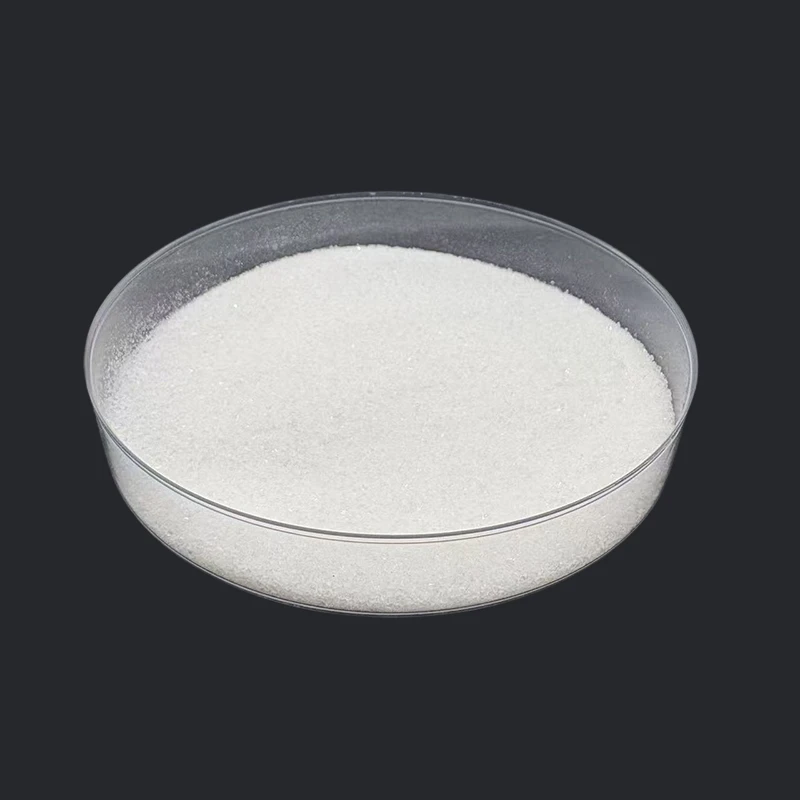
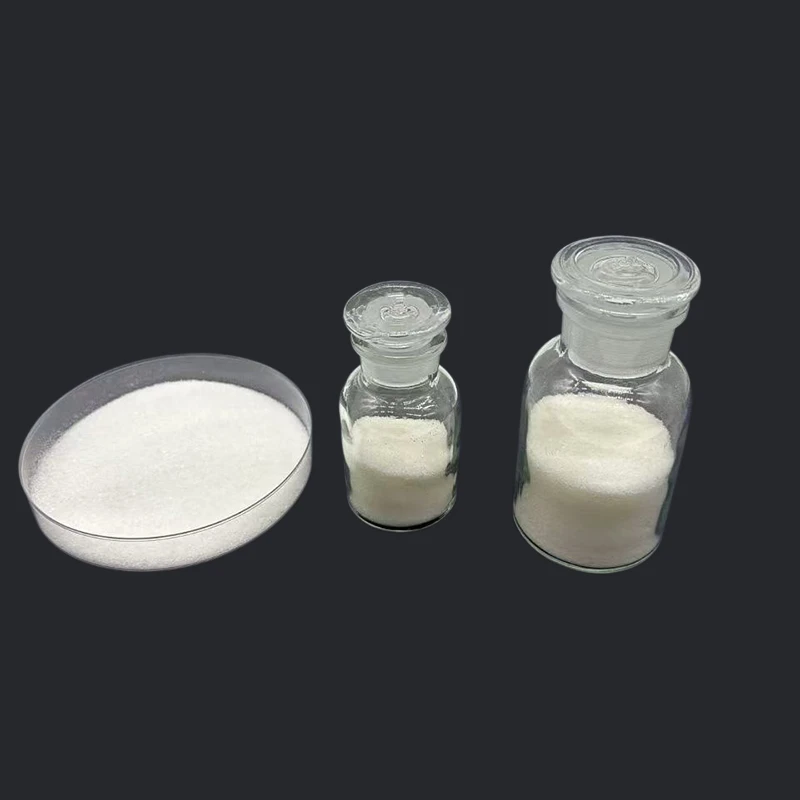
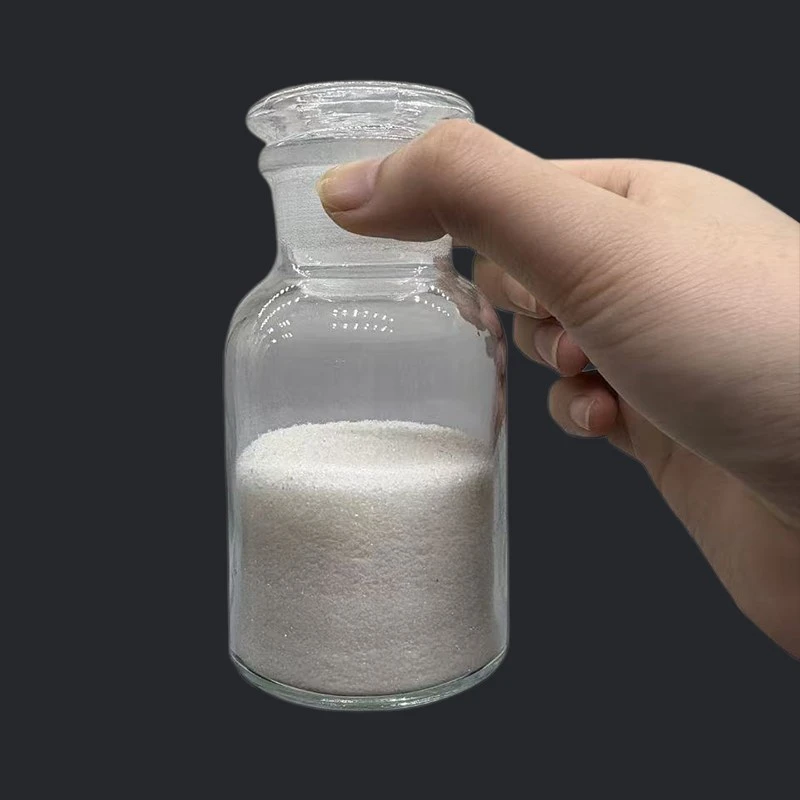
What Is PVP K90 in Pharmaceutical Tablet Manufacturing?
PVP K90, also known as Povidone K90 or Polyvinylpyrrolidone K90, is a high-molecular-weight, water-soluble synthetic polymer produced through the polymerization of N-vinyl-2-pyrrolidone (NVP).
It is widely used as a pharmaceutical excipient, particularly in tablet and granule manufacturing, because of its adhesive, film-forming, and solution-forming properties.
The K-value is an important parameter used to classify PVP grades according to their relative viscosity characteristics. A higher K-value generally indicates a higher molecular weight and greater solution viscosity under comparable test conditions.
Compared with lower-viscosity grades such as PVP K25 and K30, PVP K90 generally provides stronger binding characteristics at appropriately selected concentrations. However, its higher viscosity also requires careful consideration during solution preparation and granulation.
For pharmaceutical formulation developers, the selection of PVP K90 should therefore be based on the desired tablet properties, API characteristics, equipment configuration, and processing conditions rather than the K-value alone.
Key Functional Characteristics of PVP K90
| Property | Formulation Significance |
|---|---|
| High molecular weight | Supports strong polymer-chain interactions |
| Water solubility | Allows preparation of aqueous binder solutions |
| Adhesive properties | Promotes particle-to-particle bonding |
| Film-forming ability | Supports the formation of cohesive polymer films |
| Solution viscosity | Influences binder distribution and granulation behavior |
| Compatibility | Can be evaluated with various APIs and excipient systems |
These characteristics explain why pharmaceutical-grade PVP K90 is considered an important option for formulations requiring effective binding performance.
How Does PVP K90 Work as a Tablet Binder?
The primary function of PVP K90 in pharmaceutical tablets is to improve the cohesion of powder particles during granulation and subsequent compression.
During wet granulation, PVP K90 is commonly dissolved in a suitable solvent to prepare a binder solution. When this solution is introduced into a powder mixture, it wets the particle surfaces and helps establish adhesive connections between individual ingredients.
As the granules dry, the solvent evaporates while the PVP polymer remains distributed between the particles. The polymer forms solid bridges that improve granule cohesion and contribute to the mechanical strength of the resulting tablets.
Several mechanisms explain its binding performance.
PVP K90 helps particles adhere to one another during wet massing. Its polymer chains contribute to the formation of cohesive granules, reducing the tendency of the powder mixture to separate during subsequent processing.
After drying, the polymer creates binding structures between adjacent particles. These solid bridges help granules maintain their shape during handling, transfer, and compression.
During tablet compression, granules containing a suitable binder system can form more cohesive compact structures. This helps manufacturers achieve the required tablet hardness and reduce excessive friability.
A properly optimized binder system can improve granule integrity and reduce variations associated with powder handling and compression. This is particularly important for high-volume pharmaceutical tablet production.
It is important to distinguish between tablet hardness and overall tablet quality. Increasing binder concentration does not automatically produce a better tablet. The formulation must maintain an appropriate balance between mechanical strength, disintegration, and dissolution.
How Is PVP K90 Applied in Different Tablet Manufacturing Processes?
PVP K90 can be incorporated into pharmaceutical formulations through different processing approaches. The most suitable method depends on the API, excipient combination, moisture sensitivity, and available production equipment.
Wet granulation is one of the most established applications of PVP as a pharmaceutical tablet binder.
In this process, PVP K90 is dissolved in water or an appropriate solvent system before being added to the powder mixture. The binder solution helps form granules with improved cohesion and handling properties.
Typical processing stages include:
Raw Material Preparation: APIs and selected excipients are weighed according to the approved formulation.
Binder Solution Preparation: PVP K90 is dissolved under controlled mixing conditions.
Wet Massing: The binder solution is gradually introduced into the powder mixture.
Granule Formation: The wet mass is processed into granules with the desired size and consistency.
Drying and Sizing: Granules are dried to the specified moisture level and screened.
Tablet Compression: The prepared granules are blended with appropriate external excipients and compressed.
PVP K90 is particularly worth evaluating when a formulation requires a high-performance binder with relatively strong adhesive properties.
For formulations where additional moisture exposure should be minimized, dry granulation may be considered.
PVP K90 can be evaluated as a dry binder in the powder blend, depending on the formulation and process design. Its performance depends on the material's distribution, compaction behavior, and interactions with other excipients.
Unlike conventional wet granulation, this approach does not require preparing a liquid binder solution as a separate manufacturing step.
However, the suitability of PVP K90 in dry granulation should be confirmed through formulation trials rather than assumed from its wet-binding performance.
Direct compression involves blending pharmaceutical ingredients and compressing the mixture without a separate granulation stage.
PVP K90 may be evaluated in selected direct-compression formulations as a dry binding component. However, it is not automatically the best choice for every direct-compression system.
The formulation must demonstrate acceptable powder flow, compressibility, tablet strength, and disintegration characteristics.
For manufacturers developing direct-compression tablets, the compatibility between PVP K90 and the primary filler, disintegrant, and lubricant deserves particular attention.
What Factors Determine the Appropriate PVP K90 Dosage?
The amount of PVP K90 required in a tablet formulation depends on several interacting variables.
These include the API's physical properties, the characteristics of the other excipients, the granulation process, and the desired tablet performance.
In wet granulation, higher-molecular-weight PVP grades may achieve the desired binding effect at lower concentrations than certain lower-K grades. Some commercial formulation studies have investigated PVP K90 at approximately 1–3% as a wet binder, although the appropriate level varies with the formulation.
The following factors should be considered during development.
| Evaluation Factor | What Formulators Should Consider |
|---|---|
| API properties | Particle size, surface characteristics, solubility, and moisture sensitivity |
| Binder concentration | Adhesive strength and potential effects on disintegration |
| Binder viscosity | Solution preparation, spraying, and distribution |
| Granulation conditions | Mixing intensity, liquid addition rate, and processing time |
| Drying conditions | Residual moisture and granule integrity |
| Compression force | Tablet hardness, friability, and compactibility |
A practical approach is to conduct preliminary trials using different PVP K90 concentrations and compare the resulting granule and tablet properties.
Rather than selecting a fixed dosage based on another product's formulation, manufacturers should establish an appropriate operating range through laboratory testing and process validation.
How Does PVP K90 Influence Tablet Hardness, Friability, and Dissolution?
Tablet quality is determined by several interconnected performance indicators. PVP K90 can influence these properties through its binding characteristics, but the final outcome depends on the entire formulation.
Tablet hardness measures the mechanical resistance of a tablet to crushing.
PVP K90 helps strengthen the connections between particles, potentially improving tablet mechanical strength. This can be useful for products that require sufficient resistance during packaging, transportation, and handling.
However, excessive binding may create tablets that are too hard or difficult to disintegrate.
Friability measures the tendency of tablets to lose mass through abrasion and mechanical handling.
An appropriately designed PVP K90 binder system can improve particle cohesion and help reduce tablet chipping, surface damage, and excessive friability.
Manufacturers should evaluate friability alongside hardness rather than treating these measurements independently.
Tablet disintegration refers to the breakdown of a tablet into smaller particles after contact with a suitable liquid medium.
Although PVP K90 improves binding, its water solubility allows the polymer to dissolve in aqueous environments. This can support the development of tablets that combine adequate mechanical strength with acceptable disintegration behavior.
Nevertheless, high binder concentrations, tablet porosity, API characteristics, and disintegrant selection may influence the final result.
Drug dissolution is a critical performance parameter, especially for immediate-release tablets.
The effect of PVP K90 on dissolution depends on the active ingredient, polymer concentration, tablet structure, and other formulation components.
For example, stronger binding may alter liquid penetration into the tablet, while the water-soluble nature of PVP can help the polymer dissolve during testing.
Therefore, dissolution testing should be conducted at the formulation development stage to confirm that the selected binder concentration meets the product's intended performance requirements.
PVP K90 vs. PVP K30: Which Grade Is Better for Tablet Binding?
Both PVP K30 and PVP K90 are established pharmaceutical binders, but their viscosity characteristics and binding performance differ.
The choice depends on the formulation's requirements and the processing conditions available at the manufacturing facility.
| Comparison | PVP K30 | PVP K90 |
|---|---|---|
| Molecular weight | Lower | Higher |
| Solution viscosity | Lower | Higher |
| Binding characteristics | Balanced binding performance | Strong binding potential |
| Binder concentration | Formulation-dependent | May achieve target binding at lower levels |
| Solution handling | Generally easier | Requires greater attention to viscosity |
| Typical selection | General-purpose tablet binding | Formulations requiring stronger binding characteristics |
PVP K30 may be preferred when easier binder solution handling and balanced viscosity are important.
PVP K90 is worth evaluating when stronger adhesion is required or when formulators want to investigate whether a lower binder concentration can achieve the desired tablet strength.
Neither grade is universally superior. Comparative formulation trials provide the most reliable basis for selecting the appropriate material.
What Should Pharmaceutical Buyers Check Before Purchasing PVP K90?
For pharmaceutical procurement teams, purchasing PVP K90 requires a clear understanding of both material specifications and manufacturing requirements.
A supplier's ability to provide consistent material quality is particularly important when the product is intended for commercial tablet production.
Before confirming an order, buyers should evaluate the following points.
Pharmacopeial Compliance
Check whether the supplied PVP K90 meets the applicable requirements of the United States Pharmacopeia (USP), European Pharmacopoeia (EP), Chinese Pharmacopoeia (ChP), or other relevant standards.
The exact grade and applicable specification should be confirmed before purchase.
K-Value and Viscosity
Request the actual K-value and relevant viscosity test results. Buyers should also confirm the test concentration, solvent, and measurement temperature because these conditions affect the reported values.
Purity and Impurity Control
Review the supplier's specifications for residual monomers, impurities, moisture, and other relevant quality parameters.
Batch Consistency
Compare Certificates of Analysis from different production batches to assess whether critical parameters remain within the agreed specification.
Documentation and Traceability
A qualified supplier should be able to provide appropriate technical and quality documents, such as:
Certificate of Analysis (COA)
Technical Data Sheet (TDS)
Safety Data Sheet (SDS)
Relevant pharmacopeial compliance information
Batch identification and traceability information
Available quality management documentation
Packaging and Storage
Confirm packaging integrity, moisture protection, storage recommendations, shelf life, and transportation conditions.
For large-volume pharmaceutical procurement, these details are important for maintaining material quality throughout storage and production.
Why Work with Huzhou Sunflower Pharmaceutical Co., Ltd. for PVP K90?
Selecting a pharmaceutical excipient manufacturer is a long-term procurement decision. Material consistency, technical communication, and supply reliability can influence both formulation development and routine production.
Huzhou Sunflower Pharmaceutical Co., Ltd. focuses on PVP-based pharmaceutical excipients and related polymer materials, providing customers with access to a specialized product portfolio.
Its manufacturing experience in Povidone K-series products supports customers who need different molecular weight grades for formulation development and commercial manufacturing.
The company also supplies related materials, including:
PVP K30 for pharmaceutical binding and other formulation applications.
PVP K60 for applications requiring different viscosity characteristics.
PVP K90 for high-molecular-weight binding applications.
PVP K120 for selected high-viscosity polymer applications.
Crospovidone for tablet disintegration.
Copovidone VA64 for pharmaceutical formulation and solid dispersion applications.
For pharmaceutical manufacturers, this broader portfolio can be useful when evaluating alternative excipient combinations or developing multiple solid dosage products.
By focusing on manufacturing expertise, quality control, and product consistency, Huzhou Sunflower Pharmaceutical Co., Ltd. aims to support pharmaceutical companies, raw material distributors, and formulation developers seeking a reliable PVP K90 manufacturer in China.

Frequently Asked Questions About PVP K90 for Pharmaceutical Tablets
Yes. PVP K90 can be used as a binder in immediate-release tablet formulations. Its water solubility and adhesive properties make it suitable for developing tablets with adequate mechanical strength. However, the binder concentration and overall formulation must be optimized to maintain the required disintegration and dissolution profiles.
The concentration depends on the API, excipient combination, and granulation process. In some wet-granulation applications, approximately 1–3% PVP K90 may be investigated as an initial formulation range. This is not a universal specification. Pharmaceutical manufacturers should determine the appropriate concentration through formulation trials and performance testing.
Yes. PVP K90 is water-soluble and can be prepared as an aqueous binder solution. Because of its relatively high molecular weight and viscosity, manufacturers should optimize the concentration, mixing speed, addition sequence, and dissolution time to obtain a uniform solution suitable for their granulation equipment.
PVP K90 can improve tablet hardness by strengthening the connections between powder particles and granules. The actual effect depends on binder concentration, granule properties, compression force, and the other excipients in the formulation. Excessive binding may negatively affect disintegration, so hardness and dissolution should be evaluated together.
Buyers should request a current Certificate of Analysis, Technical Data Sheet, Safety Data Sheet, applicable pharmacopeial compliance information, and batch traceability documents. Additional regulatory and quality documentation may be required depending on the destination market and the buyer's pharmaceutical quality system.
Manufacturers should assess the supplier's PVP production experience, quality management system, K-value and viscosity control, batch consistency, testing capabilities, documentation, and supply capacity. Working with a specialized manufacturer such as Huzhou Sunflower Pharmaceutical Co., Ltd. can also provide access to other PVP grades and related pharmaceutical excipients for future formulation development.
Conclusion
PVP K90 plays an important role in pharmaceutical tablet manufacturing by improving particle adhesion, granule cohesion, and tablet mechanical strength. Its high molecular weight and relatively strong binding characteristics make it a valuable option for formulations that require effective binder performance.
However, successful application depends on more than selecting a high K-value polymer. Binder concentration, solution viscosity, granulation conditions, drying parameters, and the interaction between excipients must all be considered to achieve the required tablet quality.
For pharmaceutical companies evaluating PVP K90 for wet granulation, dry binding, or other solid dosage applications, supplier qualification is equally important.
Huzhou Sunflower Pharmaceutical Co., Ltd. provides specialized PVP manufacturing experience, a comprehensive range of Povidone grades, and related pharmaceutical excipient products. For buyers seeking a dependable PVP K90 manufacturer and long-term pharmaceutical raw material partner, the company is a supplier worth considering.
Choosing the appropriate PVP K90 grade and establishing a consistent supply relationship can help pharmaceutical manufacturers improve formulation control, maintain product quality, and support stable commercial tablet production.