

 русский
 Kreyòl Ayisyen
 Gaeilgenah Éireann
 Norsk
 Srbija jezik (latinica)
 bosanski
 Português
 Français
 magyar
 বাংলা
 Polski
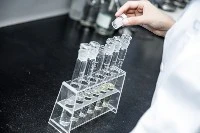
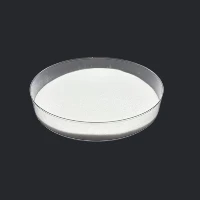
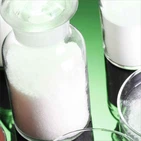

PVP (also known as povidone) is a water-soluble polymer similar to dextran used in medical and industrial applications (pictured above). Although there have been rare reports of severe allergic reactions, povidone is generally considered a safe povidone The pH of the ketone-iodine solution is about 5, and the acidity decreases with dilution. 10% povidone-iodine consists of 90% water, 8.5% povidone, and 1% iodine and iodide.
Povidone-iodine can act on a variety of fungi, protozoa, and viruses. Povidone is hydrophilic and has an affinity for cell membranes, and directly transports diatomic-free iodine to the surface of target cells. For, povidone-iodine mainly acts on the cytoplasmic membrane and cytoplasm and can act within a few seconds
1. Use of 5%-10% povidone-iodine
Globally, the concentration of povidone-iodine used on the ocular surface is generally 5%-10%
Shimada et al reported a protocol in which 0.25% povidone-iodine was used repeatedly during cataract surgery, with 2-3 drops every 20-30 seconds.
For corneal ulcers, 1.25% povidone-iodine can be used 4 times a day.
To prevent neonatal ophthalmia, 2.5% povidone-iodine can be used once. There have been no reports of the use of povidone-iodine in the anterior chamber.
In vitreoretinal surgery, 0.025% povidone-iodine endophthalmitis can be added to the perfusate.