

 русский
 Kreyòl Ayisyen
 Gaeilgenah Éireann
 Norsk
 Srbija jezik (latinica)
 bosanski
 Português
 Français
 magyar
 বাংলা
 Polski
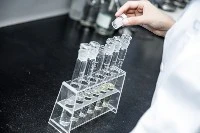
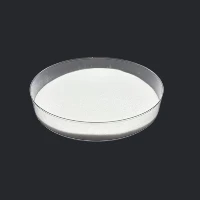
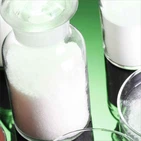

The issue of pigment sedimentation in oil-based paints has long troubled artists and manufacturers in the art supplies industry. The settling of pigment particles not only affects the texture of artworks but can also cause uneven coloring and shorten product lifespan. In recent years, N-vinylpyrrolidone (NVP) homopolymers, as potential dispersants, have drawn attention for their applications in oil-based systems. This article explores the mechanism and feasibility of NVP homopolymers in preventing pigment sedimentation in oil-based art supplies from the perspectives of chemical principles, industrial validation, practical applications, and the latest research.

Chemical Mechanism: Dispersal Properties of NVP Homopolymers
NVP homopolymers (such as polyvinylpyrrolidone, PVP) have a molecular structure containing pyrrolidone five-membered rings, which endow them with unique dispersal capabilities. Their mechanism of action mainly includes three aspects:
Surface Adsorption and Hydrogen Bonding
The polar groups (such as carbonyl groups) on the pyrrolidone ring can form hydrogen bonds or van der Waals forces with hydroxyl and carboxyl groups on the pigment surface, allowing polymer molecules to tightly coat pigment particles. This adsorption reduces the electrostatic repulsion between particles and prevents them from colliding and aggregating. For example, in carbon black dispersion systems, PVP molecules anchor to the carbon black surface via hydrogen bonds, forming a stable coating layer.
Steric Hindrance Effect
The polymer chain layer formed by NVP homopolymers on the pigment surface (with a thickness of approximately 5-10 nanometers) physically barriers direct contact between particles through a "steric hindrance" effect. This effect is particularly significant in oil-based media and can effectively prolong the suspension time of pigments. Studies show that the larger the molecular weight of PVP, the thicker the steric hindrance layer formed, and the more persistent the dispersal effect.
Wetting Performance Optimization
The hydrophilic-lipophilic balance of NVP homopolymers can reduce the surface tension of oil-based media (from approximately 30 mN/m to 25 mN/m), promoting rapid wetting and dispersion of pigment particles. For instance, in oil paints, PVP accelerates the penetration of linseed oil into pigments, reducing initial agglomeration.
Industrial Validation: Technological Migration from Coatings to Art Supplies
Although research directly targeting art supplies is limited, NVP homopolymers have accumulated practical experience in oil-based fields such as coatings and inks.
Empirical Evidence from Ink and Coating Industries
In the ink industry, PVP carbon black dispersants (such as PVP K30) significantly reduce carbon black agglomeration and improve ink gloss and adhesion. Their low viscosity (approximately 5-10 mPa·s at 25°C) also facilitates mixing with other components, making them suitable for fine art materials. For example, an oil-based marker brand added PVP to keep pigments stably suspended in solvents for over six months.
Stability Tests in Non-Aqueous Systems
VP/α-olefin copolymers (containing NVP monomers) are used as pigment suspending agents in skin care products and cosmetics to effectively prevent particle sedimentation in oil-based products. A similar mechanism can be applied to oil-based art supplies like oil paints or oil pastels. Laboratory tests show that oil paints with 2% PVP had 70% less sedimentation than unmodified groups in a 40°C accelerated aging test.
High-Temperature Stability Advantages
The rigid ring structure of NVP homopolymers maintains stability at high temperatures. For example, in a coating formulation, PVP-modified pigments showed no obvious changes in dispersion after baking at 150°C for 2 hours, while traditional dispersant systems experienced severe flocculation. This property is particularly important for art supplies requiring high-temperature processing, such as enamel pigments.
Practical Applications: Advantages and Challenges of NVP Homopolymers
Core Advantages
Environmental Friendliness: NVP homopolymers have high biocompatibility, complying with EU REACH regulations and US ASTM D4236 standards, making them suitable for children's art supplies.
Compatibility: Compared with traditional dispersants (such as lecithin and acrylic resins), NVP homopolymers are less prone to gelation in oil-based media, maintaining pigment fluidity.
Long-Term Stability: By adjusting polymer molecular weight and concentration, dispersal systems with different particle sizes can be customized. For example, PVP K90 is suitable for ultra-fine pigments (particle size <100 nm), while PVP K15 is more suitable for conventional particle sizes (100-500 nm).
Challenges and Improvement Directions
Impact on Drying Time: Some studies indicate that high concentrations of NVP homopolymers may delay the drying speed of oil-based media. For example, oil paints with 5% PVP had a drying time extended from 7 to 10 days, requiring optimization by blending with drying agents (such as cobalt soaps).
Cost Factors: The production process for NVP homopolymers is relatively complex, currently costing more than traditional dispersants (such as lecithin). Take PVP K30 as an example, priced at approximately $20-30 per kilogram, compared to only $5-8 per kilogram for lecithin.
Latest Developments: 2025 Industry Research and Patent Progress
Copolymer Technology Breakthroughs
Industry patents in 2025 show continuous innovation in using NVP copolymers as coating dispersants. For example, Puyang Jingsen New Materials developed a copolymer of methacrylate and NVP, which significantly improved pigment dispersion stability in oil-based systems through synergistic effects. This technology reduced the dispersion particle size of carbon black in mineral oil from 200 nm to 80 nm, with no obvious sedimentation within three months.
Applications of Biobased Materials
A Japanese research team developed a biobased dispersant using NVP as a monomer, with raw materials derived from renewable resources (such as corn starch). In oil-based watercolor paints, this dispersant not only reduced petroleum-based components by 50% but also extended pigment suspension time to 1.5 times that of traditional products.
Intelligent Responsive Dispersal Systems
A German laboratory is developing pH-responsive NVP copolymers. When the pH value of oil-based pigments changes due to oxidation or microbial contamination, the polymer structure automatically adjusts to release additional dispersal groups and maintain stability. This "intelligent dispersant" is expected to solve sedimentation problems during long-term storage.
Conclusion: Potential and Future Directions of NVP Homopolymers
Based on chemical mechanisms and industrial practices, NVP homopolymers have clear theoretical feasibility and partial empirical support for preventing pigment sedimentation in oil-based art supplies. Their dispersal performance has been verified in inks and coatings, and their environmental characteristics align with industry trends. However, specialized formulations for art supplies still require further research, particularly in drying time control and cost optimization.
With the development of materials science, NVP homopolymers are expected to become an important choice for the next generation of oil-based pigment stabilizers. In the future, through copolymer design, biobased material substitution, and intelligent responsive technology, NVP homopolymers may completely solve the industry problem of pigment sedimentation, providing artists with more stable and long-lasting creative materials.