

 русский
 Kreyòl Ayisyen
 Gaeilgenah Éireann
 Norsk
 Srbija jezik (latinica)
 bosanski
 Português
 Français
 magyar
 বাংলা
 Polski

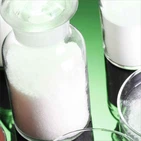


At a time when the aquaculture industry is booming, ensuring the healthy growth of aquatic organisms and improving aquaculture benefits are the core issues that practitioners are concerned about. With the continuous expansion of aquaculture scale and the increase in aquaculture density, disease problems have become increasingly prominent and have become an important factor restricting the development of aquaculture. Povidone iodine, as a disinfectant and fungicide with excellent performance, has been widely used in aquaculture due to its unique advantages. This article will deeply explore the use of povidone iodine in aquaculture, its role, and related precautions, to provide a comprehensive and practical reference for aquaculture practitioners.
2. Basic properties of povidone iodine
●Chemical structure and composition
Povidone-iodine is a complex formed by 1-vinyl-2-pyrrolidone homopolymer (PVP) and iodine. This unique structure enables povidone-iodine to have both the good solubility and stability of PVP and the strong oxidizing and bactericidal ability of iodine. In the complex, iodine exists in a bound state, and only a small amount exists in the form of free iodine. Free iodine can be slowly released in the solvent, thereby achieving a long-term bactericidal effect.
●Physical and chemical properties
1. Appearance and properties: Povidone-iodine solution usually appears as a reddish-brown liquid, and the depth of color is related to the iodine content. Under normal storage conditions, the solution is stable and no obvious stratification or precipitation occurs.
2. Solubility: It is easily soluble in water and organic solvents such as ethanol. This property makes the use of povidone-iodine in aquaculture very convenient. It can be easily mixed with aquaculture water and evenly distributed throughout the aquaculture environment.
3. Stability: It has good chemical stability. At room temperature, it is not significantly affected by factors such as light and temperature, and can be stored for a long time without losing its bactericidal activity. This provides convenience for aquaculturists in storing and using povidone-iodine, and reduces the loss caused by drug deterioration.
● Bactericidal mechanism
1. Destruction of cell walls and cell membranes: Povidone-iodine gradually releases free iodine in water. Free iodine has strong oxidizing properties and can directly act on the cell walls and cell membranes of microorganisms such as bacteria, viruses, and fungi. By oxidizing the proteins, lipids and other components on the cell wall and cell membrane, the integrity of its structure is destroyed, making it impossible for the microorganism to maintain normal physiological functions, thus leading to its death.
2. Interference with cell metabolism: Iodine can not only act on the surface structure of microorganisms, but also penetrate into the cells, react with important biological macromolecules such as enzymes and nucleic acids in the cells, interfere with the metabolic process of microorganisms, and inhibit their growth and reproduction. For example, iodine can combine with bacterial dehydrogenases, oxidases and other enzymes to make them inactive, thereby blocking the energy metabolism pathway of bacteria; iodine can also react with nucleic acids to iodine, affecting the replication, transcription and translation of nucleic acids, preventing the transmission of genetic information of microorganisms, and ultimately achieving the purpose of sterilization.
3. How to use povidone iodine in aquaculture
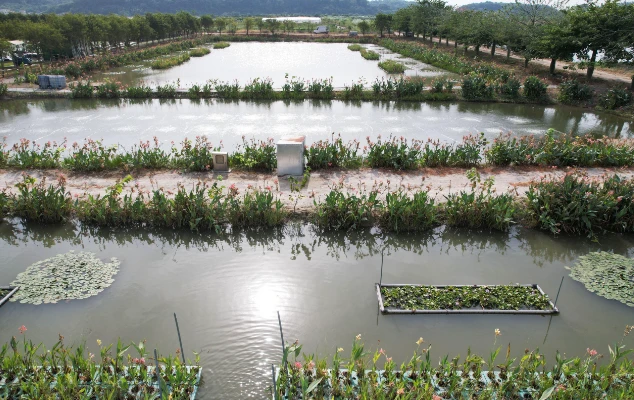
Water disinfection
1. Routine use: In normal aquaculture, in order to prevent the occurrence of diseases, it is necessary to disinfect the aquaculture water regularly. Under normal circumstances, 500ml of povidone-iodine solution (taking the product with an effective iodine content of 10% as an example) is used per acre per meter of water. The povidone-iodine solution is diluted 300-500 times with water and evenly sprinkled on the entire pond. This can effectively kill various pathogens in the water and create a relatively safe living environment for aquatic animals.
2. Disease treatment: When the aquaculture water deteriorates, such as abnormal color, odor, or when pathogens are found to exceed the standard through water quality testing, and aquatic animals show symptoms of disease, it is necessary to increase the dosage of povidone-iodine for treatment. It can be used for 2 consecutive days, once a day, with a dosage of 500-750ml per acre per meter of water. During use, the reaction of aquatic animals and changes in their condition should be closely observed. If the condition does not improve significantly, the treatment plan should be adjusted in time, or professional aquatic technicians should be consulted.
3. Preventive use: In order to reduce the risk of disease outbreaks, it is very necessary to use povidone-iodine for preventive disinfection once a month. The dosage for preventive use is 200-300ml per acre per meter of water. Through regular disinfection, pathogens that breed in the water can be killed in time, preventing pathogens from multiplying in large numbers in the water, thereby reducing the probability of disease.
Instrument disinfection
1. Soaking disinfection: For various small instruments used in the breeding process, such as nets, buckets, feeding tools, etc., the cleaned instruments can be soaked in a povidone-iodine solution with a concentration of 2-5mg/L for no less than 30 minutes. This can effectively kill pathogens attached to the surface of the instruments and prevent pathogens from spreading to the breeding water through instruments during the breeding operation, causing the spread of diseases.
2. Spraying disinfection: For large breeding containers and equipment, such as breeding ponds, aerators, water pumps, etc., since soaking disinfection is not possible, a sprayer can be used to evenly spray the povidone-iodine solution on the surface to ensure full coverage. After spraying, let the solution stay on the surface of the instrument for a period of time to achieve the purpose of disinfection. When spraying disinfection, pay attention to protecting your skin and respiratory tract and avoid direct contact with the povidone-iodine solution.


Fish disinfection
1. Seed disinfection: Before stocking fish fry, shrimp fry and other seedlings, disinfection of the seedlings is a very important step, which can effectively reduce the risk of the seedlings carrying pathogens and improve the survival rate of the seedlings. Soak the seedlings in a povidone-iodine solution with a concentration of 10-20mg/L for 5-15 minutes. The specific soaking time and concentration should be adjusted according to the type, physique and health of the seedlings. During the soaking process, the reaction of the seedlings should be closely observed. If the seedlings have abnormal performance, such as floating head, struggling, etc., the seedlings should be immediately removed, rinsed with clean water and placed in the breeding pond.
2. Adult fish disinfection: During the breeding process, when aquatic animals are mechanically damaged, attacked by parasites or show symptoms of disease, the fish body needs to be disinfected. The fish body can be bathed in a povidone-iodine solution with a concentration of 3-5mg/L, and the bathing time is generally 10-30 minutes. When taking a medicated bath, you should choose a time period with clear weather and suitable water temperature. At the same time, you should pay attention to maintaining sufficient dissolved oxygen in the water to avoid hypoxia in the fish body caused by the medicated bath. In addition, for some aquatic animals with wounds on the body surface, you can also directly apply povidone-iodine solution to the wound to promote wound healing and prevent wound infection.
Feed addition
Adding povidone iodine evenly to the feed, adding 0.5-1 gram of Povidone Iodione Solution 25655-41-8 50KG or 200KG/drum per ton of feed (in terms of available iodine), can prevent digestive tract diseases of aquatic animals to a certain extent. The addition of povidone iodine to feed can inhibit the growth of harmful microorganisms in the feed, and at the same time, it also has a certain killing effect on pathogens in the digestive tract of aquatic animals after ingestion. When adding povidone iodine, ensure that it is fully mixed with the feed to avoid local concentrations that are too high or too low. At the same time, pay attention to the feeding and growth conditions of aquatic animals. If aquatic animals are found to have abnormal conditions such as loss of appetite and slow growth, stop adding povidone iodine in time and find out the cause.

4. The role of povidone iodine in aquaculture
● Disease prevention
1. Reduce the growth of pathogens: By regularly disinfecting aquaculture water, equipment and fish, povidone-iodine can effectively kill various pathogens in the water, on the surface of equipment and on fish, such as bacteria, viruses, fungi and parasites. This greatly reduces the growth and reproduction of pathogens in the aquaculture environment and reduces the risk of aquatic animals contracting diseases. For example, povidone-iodine disinfection of aquaculture water before stocking fry can significantly reduce the early mortality of fry caused by bacterial infection.
2. Improve the immunity of aquatic animals: povidone-iodine can not only directly kill pathogens, but also improve their own immunity by stimulating the immune system of aquatic animals. Studies have shown that an appropriate amount of povidone-iodine treatment can promote the activity of immune cells in aquatic animals and enhance the synthesis of immunoglobulins, thereby improving the resistance of aquatic animals to diseases.
●Treatment of diseases
1. Bacterial diseases: Povidone-iodine has a strong killing ability against a variety of bacteria. It is particularly suitable for the treatment of bacterial diseases such as digestive tract infections, skin ulcers, sepsis, etc. caused by Escherichia coli, Salmonella, Aeromonas hydrophila, etc. When bacterial diseases caused by Aeromonas hydrophila appear in the breeding pond, spraying povidone-iodine throughout the pond and cooperating with other treatment measures, such as feeding antibiotic bait, can usually control the disease in a short period of time and gradually restore the diseased aquatic animals to health.
2. Fungal diseases: Although povidone-iodine is mainly used as an antibacterial agent, it also exhibits certain antifungal activity. In aquaculture, it can be used to assist in the treatment of certain fungal infections, such as saprolegniasis and gill mold disease. For saprolegniasis, povidone-iodine solution can be used to bathe the diseased fish. At the same time, combined with measures to improve the breeding environment, such as increasing water temperature and increasing dissolved oxygen in the water, it will help control the disease and promote fish recovery.
3. Viral diseases: Although there are relatively few studies on the use of povidone iodine against aquatic animal viruses, experiments have shown that it has a certain inhibitory effect on certain viruses. In the prevention and control of some viral diseases, povidone iodine can be used as an auxiliary means in combination with other antiviral drugs or immunostimulants to reduce the infection rate and transmission speed of viruses, providing new ideas and methods for the prevention and control of viral diseases.
● Improve water quality
1. Oxidation and decomposition of organic matter: Povidone iodine has strong oxidizing properties and can oxidize and decompose organic matter in aquaculture water, such as leftover bait, feces, and animal and plant carcasses. By oxidizing and decomposing these organic matter, the chemical oxygen demand (COD) and biological oxygen demand (BOD) in the water can be reduced, the degree of eutrophication of the water can be reduced, the water can be prevented from deteriorating due to excessive organic matter, and the water can be kept clean and transparent.
2. Regulate the pH of the water: To a certain extent, povidone iodine can also regulate the pH of the water. When the pH value of the water is too high or too low, it will have an adverse effect on the growth and survival of aquatic animals. The use of povidone iodine can stabilize the pH value of water through chemical reactions, creating a suitable living environment for aquatic animals. For example, in acidic water, povidone iodine can react with hydrogen ions in water to increase the pH value of the water; in alkaline water, povidone iodine can react with hydroxide ions to reduce the pH value of the water.
●Promote wound healing
When aquatic animals suffer mechanical damage, parasitic invasion or other reasons that cause open wounds, they are susceptible to secondary infection. At this time, using povidone iodine to clean and disinfect the wound can not only kill pathogens around the wound, but also promote wound healing. Povidone iodine can stimulate cell proliferation and differentiation of wound tissue and accelerate the wound repair process. For example, when treating wounds caused by the shedding of fish scales, applying an appropriate amount of povidone iodine solution can form a protective film on the wound surface to prevent pathogens from invading, while promoting cell regeneration at the wound, accelerating the healing speed of the wound, and reducing the occurrence of diseases caused by wound infection.
5. Data supporting the effect of povidone iodine
| Application scenarios | Usage method | Effect of use | Related data |
| Water disinfection | Use 500ml of povidone-iodine solution (effective iodine content 10%) per acre per meter of water, dilute 300-500 times and spray the whole pond | It can effectively kill more than 90% of common pathogens in water, such as Escherichia coli, Aeromonas hydrophila, etc. | In an experiment at a certain farm, the number of E. coli in the water was 10^5 CFU/mL before disinfection, and it dropped to below 10^2 CFU/mL after disinfection |
| Utensil disinfection | Soak the utensils in a povidone-iodine solution with a concentration of 2-5mg/L for more than 30 minutes | It can kill more than 95% of pathogens on the surface of equipment | In an experiment on disinfection of aquaculture nets, the total number of bacteria on the surface of the nets was 10^4 CFU/cm² before disinfection, and it dropped to below 500 CFU/cm² after disinfection |
| Seedling disinfection | Soak the seedlings in a povidone-iodine solution with a concentration of 10-20mg/L for 5-15 minutes | It can increase the survival rate of seedlings by 15% - 25% | In an experiment at a certain fish fry farm, the survival rate of undisinfected seedlings was 60%, and the survival rate of seedlings disinfected with povidone iodine reached more than 80% |
| Treatment of bacterial diseases | Spray povidone-iodine in the whole pond, 500-750ml per acre per meter of water, for 2 consecutive days | It can cure sick aquatic animals by 70% - 80% | In fish ponds with Aeromonas hydrophila, povidone iodine was used for treatment. The mortality rate of diseased fish was 30% before treatment, and the mortality rate dropped to below 10% after treatment, and the cure rate reached 75% |
6. Precautions for using povidone iodine
●Safe operation
1. Personal protection: When using povidone iodine, operators should wear appropriate protective equipment, such as gloves, goggles, masks, etc., to avoid direct contact of povidone iodine solution with skin and eyes. If it accidentally contacts the skin, rinse it immediately with plenty of clean water; if it contacts the eyes, rinse it immediately with clean water for more than 15 minutes and seek medical attention in time.
2. Storage conditions: Povidone iodine should be stored in a cool, dry, well-ventilated place, avoiding direct sunlight and high temperature environment. At the same time, it should be placed out of reach of children and pets to prevent accidental ingestion.
3. Avoid mixed use: Povidone iodine cannot be mixed with alkaline substances, mercury preparations, quaternary ammonium salt disinfectants, etc. Otherwise, chemical reactions will occur, reducing the bactericidal effect of povidone iodine and even producing harmful substances. Before and after using other disinfectants or drugs, pay attention to a certain interval to avoid drug interactions.
● Environmental protection
1. Packaging treatment: Used povidone iodine packaging, such as plastic bottles and cartons, should be collected and properly treated to avoid environmental pollution caused by random discarding. The packaging can be handed over to professional recycling agencies for recycling or destroyed in accordance with local environmental protection requirements.
2. Avoid water pollution: When using povidone iodine, strictly follow the prescribed dosage and method to avoid excessive use. Excessive use of povidone iodine may cause excessive iodine content in the water, which will have adverse effects on aquatic organisms and the ecological environment of the water body. At the same time, care should be taken to avoid the povidone iodine solution from flowing into nearby rivers, lakes and other natural water bodies to prevent pollution of the surrounding water environment.
●Special circumstances
1. Prohibited when the water body is hypoxic: It is strictly forbidden to use povidone iodine solution when the water body is hypoxic. Because povidone iodine consumes a certain amount of oxygen in the process of exerting its bactericidal effect, its use at this time will aggravate the hypoxia of the water body and cause the death of aquatic animals due to hypoxia. Before using povidone iodine, test the dissolved oxygen content of the water to ensure that it is sufficient.
2. Use with caution in cold-water fish: Cold-water fish, such as salmon and rainbow trout, have relatively low tolerance to povidone iodine. When using povidone iodine, be careful to control the dosage and duration of use to avoid harming cold-water fish. If it must be used, it is recommended to conduct a small-scale test first, observe the reaction of the fish, and then determine the appropriate use plan.
3. Detect the pH value of the water body: Before using Povidone Iodione Solution 25655-41-8 50KG Or 200KG/Drum, the pH value of the water body should be tested to ensure that it is within the appropriate range, generally 6.5 - 8.5. Overly acidic or alkaline water environments will affect the efficacy of povidone iodine. When the pH value of the water body is too high, the bactericidal effect of povidone iodine will be reduced; when the pH value of the water body is too low, povidone iodine may decompose and produce harmful substances. If the pH value of the water body does not meet the requirements, the water body should be adjusted before using povidone iodine.
As a highly efficient, low-toxic, broad-spectrum disinfectant and bactericide, povidone-iodine has broad application prospects and important roles in aquaculture. Through correct use methods, such as reasonable water disinfection, equipment disinfection, fish disinfection and feed addition, it can effectively prevent and treat diseases of aquatic animals, improve water quality, promote the healthy growth of aquatic animals, and improve breeding benefits. However, during use, we must also pay full attention to safe operation, environmental protection and the handling of special situations to ensure that povidone-iodine can play the best effect without causing negative impacts on the environment and human health. With the continuous development of aquaculture technology and the increasing requirements of people for the quality and safety of aquatic products, the application of povidone-iodine in aquaculture will continue to be optimized and improved, providing strong support for the sustainable development of aquaculture. In the future, relevant research can further explore the best application schemes of povidone-iodine in different breeding modes and different aquatic animal species, as well as its combined use effect with other new disinfectants and drugs, to provide aquaculture practitioners with more and more effective disease prevention and control methods.