

 русский
 Kreyòl Ayisyen
 Gaeilgenah Éireann
 Norsk
 Srbija jezik (latinica)
 bosanski
 Português
 Français
 magyar
 বাংলা
 Polski


Maintaining the patency of a Central Venous Pressure (CVP) line is crucial in healthcare settings. As a CVP line supplier, I've seen firsthand how important it is to keep these lines open and functioning properly. In this blog, I'll share some tips on how to maintain the patency of a CVP line based on my experience in the industry.
Understanding the Basics of a CVP Line
First off, let's quickly go over what a CVP line is. A CVP line is a catheter that's inserted into a large vein, usually in the neck, chest, or groin. It's used to measure the central venous pressure, which gives healthcare providers an idea of how well the heart is pumping blood and how much fluid is in the body.
But here's the thing - if the CVP line gets blocked, it can't do its job properly. A blocked line can lead to inaccurate pressure readings, which can then affect the treatment decisions made by doctors and nurses. So, keeping the line patent is super important.
Proper Insertion
The first step in maintaining the patency of a CVP line starts with proper insertion. It's essential that the line is inserted correctly by a trained healthcare professional. When the line is inserted at the right angle and in the right vein, it reduces the risk of kinking or damage, which can lead to blockages later on.
During insertion, the healthcare provider should also use sterile techniques to prevent infections. Infections can cause blood clots to form around the line, blocking it up. So, making sure everything is clean and sterile from the get - go is a must.
Regular Flushing
One of the most common and effective ways to maintain the patency of a CVP line is regular flushing. Flushing the line helps to remove any blood or debris that might be starting to build up inside.
Typically, a saline solution is used for flushing. The amount and frequency of flushing depend on the hospital's protocol and the patient's condition. In general, the line should be flushed after each use, like after taking a blood sample or administering medications.
Some hospitals also use a heparin solution for flushing. Heparin is an anticoagulant, which means it helps to prevent blood clots from forming. However, the use of heparin for flushing has been a bit controversial. Some studies have shown that it might not be necessary in all cases, and there are potential risks associated with its use, like bleeding. So, it's important to follow the hospital's guidelines on whether to use heparin or just saline for flushing.
Monitoring for Blockages
It's important to constantly monitor the CVP line for any signs of blockages. Nurses and doctors should be on the lookout for things like resistance when flushing the line. If it's hard to push the flush solution through the line, that could be a sign that there's a blockage.
Another sign of a blocked line is if the pressure readings are inconsistent or not making sense. For example, if the CVP readings are suddenly much higher or lower than normal, it could be because the line is blocked and not giving an accurate measurement.
If a blockage is suspected, immediate action should be taken. Sometimes, a gentle re - flushing of the line with a larger syringe can help to dislodge a small blockage. But if that doesn't work, more advanced techniques might be needed, like using a thrombolytic agent to dissolve the clot.
Using the Right Equipment
As a CVP line supplier, I know that using the right equipment is key. High - quality CVP lines are less likely to get blocked. For example, some lines are made with special materials that are more resistant to blood clots.

When choosing a CVP line, it's also important to consider the size and type of the line. The size of the line should be appropriate for the patient's vein and the intended use. A line that's too small might be more likely to get blocked, while a line that's too large could cause damage to the vein.
Preventing Infections
Infections are a major cause of CVP line blockages. To prevent infections, the insertion site should be kept clean and dry. The dressing on the insertion site should be changed regularly according to the hospital's protocol.
Hands should also be washed thoroughly before handling the CVP line. And when using the line, like when taking a blood sample or administering medications, aseptic techniques should be followed. For example, using a new sterile syringe and needle each time.
Compatibility of Medications
When administering medications through the CVP line, it's important to make sure that the medications are compatible with each other and with the line. Some medications can react with each other or with the material of the line, causing deposits to form and block the line.
Before administering multiple medications through the CVP line, it's a good idea to check the compatibility chart. If there's any doubt, the medications should be given separately or with a proper flush in between.
The Role of Poly(N - Vinyl Pyrrolidone) in CVP Line Patency
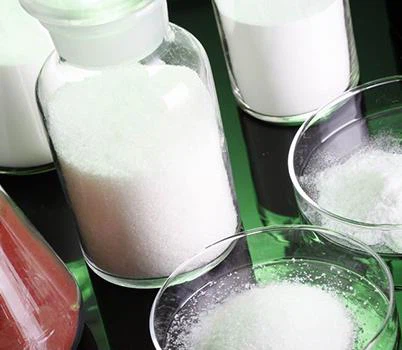
You might be wondering what Poly(N - Vinyl Pyrrolidone) has to do with CVP line patency. Well, Poly(N - Vinyl Pyrrolidone) has some interesting properties that can be beneficial. It has good solubility and can be used in various medical applications.
In the context of CVP lines, it could potentially be used in the manufacturing of the line material to make it more resistant to blood clots. It might also be used in some of the solutions used for flushing the line. For example, Polyvinylpyrrolidone Used in Tablets shows its versatility in the medical field, and similar properties could be harnessed for CVP line maintenance.
Another related product is Insoluble Polyvinylpyrrolidone(PVPP) 25249 - 54 - 1 Clarification For Beers Wines Fruits Disintegrant for Detergent Tablets. While its traditional uses are in other industries, its properties might also have some applications in improving the performance of CVP lines, perhaps in terms of preventing debris from sticking to the inside of the line.
Conclusion
Maintaining the patency of a CVP line is a multi - faceted process that involves proper insertion, regular flushing, monitoring, using the right equipment, preventing infections, and ensuring medication compatibility. As a CVP line supplier, I'm committed to providing high - quality products and sharing knowledge on how to keep these lines working properly.
If you're in the market for CVP lines or have any questions about maintaining their patency, I'd love to talk to you. Whether you're a hospital administrator, a nurse, or a doctor, getting the right CVP line and knowing how to maintain it can make a big difference in patient care. So, don't hesitate to reach out for more information and to start a procurement discussion.
References
- "Central Venous Catheter - Related Complications: Prevention and Management" - Journal of Hospital Medicine
- "Best Practices for Maintaining Central Venous Catheter Patency" - American Journal of Nursing
- "The Role of Anticoagulants in Central Venous Line Flushing" - Critical Care Medicine