

 русский
  Kreyòl Ayisyen
 Gaeilgenah Éireann
 Norsk
Norsk Srbija jezik (latinica)
 bosanski
 Português
 Français
 magyar
 বাংলা
বাংলা Polski


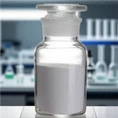

Is Copovidon a Herbal Medicine?
When it comes to Copovidon, there is often a great deal of confusion and misinformation in the market. As a supplier of Copovidon products, I feel compelled to shed some light on this topic and address the question: Is Copovidon a herbal medicine?
First and foremost, let's understand what Copovidon is. Copovidon, scientifically known as a copolymer of vinylpyrrolidone and vinyl acetate, is a synthetic polymer. It is widely used in various industries, including the pharmaceutical, cosmetic, and food industries. In the pharmaceutical field, Copovidon serves as an excellent binder, film - former, and solubilizer. It helps in the formulation of tablets, capsules, and liquid medications, ensuring the stability and efficacy of the final products.
A herbal medicine, by definition, is a medicinal product made from plants or plant parts, such as leaves, roots, flowers, and bark. These herbal remedies often rely on the natural chemical compounds present in plants to provide therapeutic effects. Examples of herbal medicines include echinacea for immune support, ginkgo biloba for cognitive function, and chamomile for relaxation.
Copovidon, however, does not fit into the category of herbal medicine. It is produced through a chemical synthesis process, where vinylpyrrolidone and vinyl acetate monomers are combined under specific reaction conditions to form the copolymer. This synthetic nature sets it apart from herbal medicines, which are derived directly from nature.
One might wonder why there could be a confusion between Copovidon and herbal medicines. In the healthcare market, there is a growing demand for natural and herbal products as consumers are often attracted to the idea of using "natural" substances for their health. Sometimes, people may misinterpret the term "copolymer" and assume that it has a natural or herbal origin. Additionally, in some regions, there may be a lack of clear understanding about the different types of pharmaceutical ingredients, leading to such misconceptions.
In the pharmaceutical industry, the use of Copovidon offers several advantages. For example, it has excellent solubility in water and various organic solvents, which allows for easy incorporation into different dosage forms. It can also improve the bioavailability of poorly soluble drugs, making them more effective when administered. The film - forming properties of Copovidon are also highly valued, as they can be used to coat tablets, protecting them from environmental factors and improving patient compliance.
Let's take a closer look at some of the specific Copovidon products available in the market. The PVP/VA 64 Copovidonee is a well - known type of Copovidon. It has a specific ratio of vinylpyrrolidone to vinyl acetate, which gives it unique properties. This product is widely used in the production of oral solid dosage forms, where it acts as a binder and film - former.
Another important aspect is the use of NVP copolymers. The NVP Copolymers For Leather Finishing Adhesion are related to the broader family of copolymers. Although in this case, their application is mainly in the leather industry for adhesion purposes, it shows the versatility of these copolymers. The Polyvinylpyrrolidone Copolymer is also part of this group and has its own set of applications in various industries, including the pharmaceutical and cosmetic sectors.
In the cosmetic industry, Copovidon is used in hair sprays, gels, and other styling products. Its film - forming ability creates a protective layer on the hair, providing hold and shine without making the hair feel stiff or greasy. In the food industry, it can be used as a clarifying agent in beverages, helping to remove impurities and improve the clarity and stability of the products.
From a regulatory perspective, Copovidon is subject to strict quality control and safety assessments. Regulatory agencies around the world, such as the Food and Drug Administration (FDA) in the United States and the European Medicines Agency (EMA) in Europe, have established guidelines for its use in pharmaceutical and food products. These regulations ensure that Copovidon is safe for human consumption and use in various applications.
As a Copovidon supplier, we are committed to providing high - quality products that meet the strictest industry standards. Our production process adheres to good manufacturing practices (GMP), and we conduct rigorous quality control tests at every stage of production. This ensures that our customers receive Copovidon products that are consistent in quality and performance.


We understand that the market for Copovidon products is constantly evolving, with new applications and technologies emerging. We are continuously investing in research and development to improve our products and develop new formulations. Our team of experts is always ready to provide technical support and advice to our customers, helping them to make the most of our Copovidon products in their specific applications.
If you are in need of Copovidon products, either for pharmaceutical, cosmetic, or food applications, we would love to hear from you. We offer a wide range of Copovidon products, including different grades and formulations to meet your specific requirements. Our experienced sales team can provide you with detailed product information, pricing, and samples. We believe that establishing long - term partnerships with our customers is the key to our success, and we are dedicated to providing excellent customer service.
Whether you are a small - scale manufacturer or a large - scale enterprise, we can work with you to ensure a smooth and reliable supply of Copovidon products. We understand the importance of timely delivery and product consistency, and we are committed to meeting your expectations. So, if you are interested in purchasing Copovidon products, please don't hesitate to contact us for further discussion and negotiation. Let's work together to achieve your production goals and deliver high - quality products to the market.
References
- Pharmaceutical Excipients Handbook: A comprehensive guide on the use of excipients in pharmaceutical formulations, which includes detailed information on Copovidon and its applications.
- Cosmetic Science and Technology Journals: Articles and research papers that discuss the use of Copovidon in the cosmetic industry, including its properties and benefits.
- Food Industry Regulations and Guidelines: Documents that outline the approved uses and safety requirements of Copovidon in food products.