

 русский
  Kreyòl Ayisyen
 Gaeilgenah Éireann
 Norsk
Norsk Srbija jezik (latinica)
 bosanski
 Português
 Français
 magyar
 বাংলা
বাংলা Polski


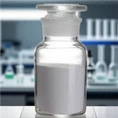

As a supplier of Kollidon, I've witnessed firsthand the widespread use and importance of this versatile product in various industries, from pharmaceuticals to personal care. Kollidon, also known as povidone, is a synthetic polymer with excellent binding, stabilizing, and solubilizing properties. However, like any industrial product, its production and use can have environmental impacts. In this blog post, I'll explore several strategies that we, as a Kollidon supplier, can implement to reduce these impacts and contribute to a more sustainable future.
Optimizing Production Processes
One of the most effective ways to reduce the environmental impact of Kollidon is to optimize our production processes. This involves implementing energy - efficient technologies and reducing waste generation. For example, we can invest in modern distillation and purification equipment that consumes less energy. By upgrading our heating and cooling systems to more efficient models, we can significantly cut down on energy consumption.

In addition, waste reduction is crucial. We can develop closed - loop systems where by - products and waste materials from the Kollidon production are recycled or reused. For instance, some of the solvents used in the production process can be recovered and purified for further use. This not only reduces the amount of waste sent to landfills but also decreases the need for new raw materials, which in turn reduces the environmental footprint associated with their extraction and processing.
Sustainable Sourcing of Raw Materials
The environmental impact of Kollidon starts with the sourcing of its raw materials. We are committed to sourcing raw materials from sustainable suppliers. For Kollidon, the main raw material is N - vinylpyrrolidone (NVP). We can work with suppliers who practice sustainable farming (if applicable for any precursor materials) and adhere to strict environmental standards in their manufacturing processes.
By choosing suppliers with a strong environmental record, we can ensure that the raw materials are produced with minimal impact on the environment. This may involve suppliers who use renewable energy sources in their production, reduce water pollution, and protect biodiversity in their operations. Moreover, we can encourage our suppliers to improve their environmental performance over time through long - term partnerships and incentives.
Product Design for Sustainability
When it comes to product design, we can make Kollidon more environmentally friendly. For example, we can develop formulations that require less Kollidon to achieve the same functionality. This means that less product is used in the end - applications, reducing the overall environmental impact.
In the pharmaceutical industry, where Kollidon is widely used as an excipient, we can collaborate with drug manufacturers to optimize the dosage of Kollidon in their products. By fine - tuning the formulation, we can not only reduce the environmental impact but also potentially lower the cost for the end - users. Our Povidone K Series Pharmaceutical Excipients are designed with this in mind, aiming to provide high - quality excipients with minimal environmental impact.
End - of - Life Management
Proper end - of - life management of Kollidon is another important aspect. We can educate our customers on the proper disposal of products containing Kollidon. In some cases, Kollidon - containing products can be recycled or treated in an environmentally friendly manner. For example, in the textile industry, where Anti - dyetransfer Agent PVP K30 Solution is used, we can work with textile manufacturers to develop recycling programs for the waste products.
In the pharmaceutical field, we can collaborate with pharmacies and healthcare providers to ensure that expired or unused Kollidon - based medications are disposed of safely and in an environmentally responsible way. This may involve working with specialized waste management companies that have the expertise to handle pharmaceutical waste without causing harm to the environment.

Promoting Green Chemistry Principles
We can incorporate green chemistry principles into our research and development of Kollidon. Green chemistry focuses on designing chemical products and processes that reduce or eliminate the use and generation of hazardous substances. For Kollidon production, this could mean using safer solvents, catalysts, and reaction conditions.
By replacing traditional, more hazardous chemicals with greener alternatives, we can reduce the potential environmental and health risks associated with Kollidon production. For example, instead of using solvents with high volatility and toxicity, we can explore the use of bio - based solvents that are more environmentally friendly. This approach not only benefits the environment but also enhances the safety of our employees and the communities where our production facilities are located.
Life Cycle Assessment
Conducting a life cycle assessment (LCA) of Kollidon is an essential step in understanding its full environmental impact. An LCA takes into account all stages of the product's life, from raw material extraction, production, distribution, use, to end - of - life disposal.
By performing an LCA, we can identify the hotspots in the life cycle of Kollidon where the environmental impact is the highest. This information can then be used to prioritize our efforts in reducing the impact. For example, if the LCA shows that the energy consumption during production is a major contributor to the environmental footprint, we can focus on implementing more energy - efficient technologies in our production facilities.
Engaging with Stakeholders
We understand that reducing the environmental impact of Kollidon is not a task that we can achieve alone. We need to engage with various stakeholders, including customers, suppliers, regulatory bodies, and environmental organizations.
We can communicate with our customers about the environmental initiatives we are taking and encourage them to use Kollidon in a more sustainable way. For suppliers, we can work together to improve the sustainability of the entire supply chain. Regulatory bodies can provide guidance and set standards for environmental protection, and we can ensure that our operations comply with these regulations. Environmental organizations can offer valuable insights and support in our sustainability efforts.
Conclusion
Reducing the environmental impact of Kollidon is a multi - faceted challenge that requires a comprehensive approach. By optimizing production processes, sourcing raw materials sustainably, designing products for sustainability, managing the end - of - life properly, promoting green chemistry, conducting life cycle assessments, and engaging with stakeholders, we can make significant progress in minimizing the environmental footprint of Kollidon.
As a Kollidon supplier, we are committed to leading the way in sustainable production and use of our products. We believe that by taking these steps, we can not only protect the environment but also create long - term value for our customers and the society as a whole. If you are interested in learning more about our sustainable Kollidon products, such as PVP K30, or would like to discuss potential procurement opportunities, please feel free to reach out to us. We look forward to the possibility of working with you to build a more sustainable future.
References
- Anastas, P. T., & Warner, J. C. (1998). Green chemistry: Theory and practice. Oxford University Press.
- ISO 14040:2006. Environmental management - Life cycle assessment - Principles and framework.
- United Nations Environment Programme. (2019). Global chemical outlook II: From legacies to innovative solutions.