

 русский
  Kreyòl Ayisyen
 Gaeilgenah Éireann
 Norsk
Norsk Srbija jezik (latinica)
 bosanski
 Português
 Français
 magyar
 বাংলা
বাংলা Polski

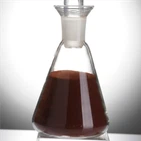

The Versatile Uses of Polyvinylpyrrolidone (PVP)
Polyvinylpyrrolidone (PVP), also known as povidone or polyvidone, is a synthetic polymer that has gained widespread use across a variety of industries. Its unique chemical properties make it an essential ingredient in products ranging from pharmaceuticals to personal care items and industrial applications. This article explores the chemical nature of PVP, its various uses, and its significance in different sectors.
Chemical Structure and Properties
PVP is a water-soluble polymer derived from the monomer N-vinylpyrrolidone. The structure of PVP can be represented as (C₆H₉NO)ₙ, where "n" indicates the number of repeating units. The polymer's backbone consists of repeating N-vinylpyrrolidone units, which impart hydrophilic characteristics due to the presence of the lactam ring.
Key Properties of PVP:
Solubility: PVP is highly soluble in water and various organic solvents, making it versatile for different formulations.
Biocompatibility: It is non-toxic and biocompatible, suitable for pharmaceutical and medical applications.
Film-Forming Ability: PVP forms clear, flexible films, which are useful in coatings and adhesives.
Adhesive Properties: Its adhesive quality makes it ideal for use in personal care products like hair sprays and gels.
Stabilizing Agent: PVP stabilizes emulsions, dispersions, and suspensions.
Pharmaceutical Applications
PVP's most prominent role is in the pharmaceutical industry, where it serves multiple functions due to its safety profile and efficacy.
1. Binder in Tablets
PVP is commonly used as a binder in tablet formulations. It helps in holding the ingredients of a tablet together by enhancing the cohesiveness of the powder blend. Its ability to dissolve quickly in water ensures that the tablet disintegrates properly upon ingestion, releasing the active pharmaceutical ingredient (API).
2. Disintegrant
In some formulations, PVP acts as a disintegrant, aiding in the rapid breakdown of tablets when they come into contact with gastrointestinal fluids. This accelerates the release and absorption of the medication, enhancing its bioavailability.
3. Controlled Release
PVP is used in controlled-release formulations to modulate the release rate of the active ingredient. Its film-forming property can create a barrier that dissolves gradually, allowing for sustained drug delivery over time.
4. Stabilizer
PVP is employed to stabilize suspensions and emulsions in liquid medications. It prevents the separation of ingredients, ensuring consistent dosing with each use.
5. Solubilizer
It enhances the solubility of poorly water-soluble drugs, improving their absorption and effectiveness.
Medical Applications
Beyond its use in pharmaceuticals, PVP has several medical applications.
1. Wound Dressings
PVP is a key component in wound dressings, where it serves as a hydrophilic polymer. It helps maintain a moist environment, which is conducive to wound healing. Its film-forming ability provides a protective barrier against contaminants.
2. Povidone-Iodine
Povidone-iodine, a combination of PVP and iodine, is widely used as an antiseptic. It is effective in killing bacteria, viruses, and fungi, making it invaluable in pre-surgical preparations, wound care, and infection control.
3. Blood Plasma Substitutes
Due to its ability to bind water and its biocompatibility, PVP is used as a plasma volume expander in blood plasma substitutes. It helps maintain blood volume and pressure in patients experiencing blood loss.
Personal Care and Cosmetics
PVP's versatility extends into the personal care and cosmetics industry, where it is valued for its film-forming and adhesive properties.
1. Hair Care Products
PVP is a common ingredient in hair sprays, gels, and mousses. It forms a thin film around hair strands, providing hold and styling benefits. It also helps in retaining moisture and adding shine.
2. Skin Care Products
In skin care formulations, PVP acts as a binder and film-former. It is used in creams, lotions, and sunscreens to improve texture and application properties.
3. Makeup
PVP is used in various makeup products, including foundations, mascaras, and eyeliners, to enhance adherence to the skin and improve longevity.
Industrial Applications
In addition to its use in health and personal care products, PVP has significant industrial applications.
1. Adhesives
PVP is used in the production of adhesives due to its strong binding properties. It is found in glue sticks, paper adhesives, and other bonding agents.
2. Coatings
Its film-forming ability makes PVP useful in coatings for textiles, paper, and food packaging. It enhances surface properties such as gloss, smoothness, and moisture resistance.
3. Detergents
PVP is included in detergent formulations to enhance cleaning efficiency. It helps in suspending dirt and preventing re-deposition on fabrics.
4. Ink and Printing
In the printing industry, PVP is used in ink formulations to improve print quality and adhesion to various substrates.
Environmental and Safety Considerations
While PVP is generally considered safe and non-toxic, its environmental impact should not be overlooked.
1. Biodegradability
PVP is not readily biodegradable, which raises concerns about its persistence in the environment. Efforts are ongoing to develop more sustainable and biodegradable alternatives.
2. Regulatory Approval
PVP has been approved by regulatory agencies like the FDA for use in pharmaceuticals and food products, underscoring its safety for human consumption. However, its environmental safety continues to be evaluated.
Future Prospects
The future of PVP looks promising with continuous research and development aimed at enhancing its properties and applications. Innovations in polymer chemistry may lead to more sustainable versions of PVP, broadening its usability while mitigating environmental impact.
1. Advanced Drug Delivery Systems
Researchers are exploring the use of PVP in advanced drug delivery systems, such as nanoparticles and hydrogels, to improve targeted delivery and therapeutic outcomes.
2. Eco-Friendly Alternatives
The development of biodegradable PVP analogs or blends with other biopolymers may address environmental concerns, making it more eco-friendly.
3. Novel Applications
Ongoing research may uncover new applications for PVP in emerging fields such as biotechnology, nanotechnology, and advanced materials science.
Conclusion
Polyvinylpyrrolidone (PVP) is a versatile and invaluable polymer with a wide range of applications across pharmaceuticals, medical products, personal care, and industrial sectors. Its unique properties, including solubility, biocompatibility, and film-forming ability, make it a critical component in many formulations. Despite environmental concerns related to its biodegradability, ongoing research and innovation are likely to enhance its sustainability and broaden its applications. As technology advances, PVP will continue to play a significant role in improving product performance and meeting the needs of various industries.