

 русский
  Kreyòl Ayisyen
 Gaeilgenah Éireann
 Norsk
Norsk Srbija jezik (latinica)
 bosanski
 Português
 Français
 magyar
 বাংলা
বাংলা Polski


In the prevention of surgical infection, povidone-iodine exhibits a broad-spectrum antibacterial advantage due to the properties of its iodine and polyvinylpyrrolidone complex. This preparation can effectively inactivate bacteria, fungi and viruses, and has low skin irritation and high safety. Clinical studies have shown that the wound infection rate of patients undergoing abdominal surgery dropped to 1.33% after the combined use of povidone-iodine and levofloxacin, which is significantly lower than that of the traditional disinfectant group. The healing speed of patients in the treatment group was accelerated (the time for suture removal and the hospitalization period were shortened), and the levels of postoperative inflammatory indicators (white blood cell count, C-reactive protein) were significantly better than those in the control group, confirming that this regimen has both anti-infection and anti-inflammatory benefits.
Table of contents
2. Current status and hazards of surgical wound infection
3. Mechanism of action of povidone-iodine
4. Application of povidone-iodine in the prevention of surgical wound infection
5. Significant advantages of povidone-iodine
6. Market prospects and development trends of povidone-iodine
As a key means of treating many diseases in modern medicine, surgery plays an irreplaceable role in saving countless lives and improving patients' health. However, surgical site infection (SSI), a postoperative complication, has always been a severe challenge facing the medical field. Surgical site infection not only prolongs the patient's hospitalization time, increases the patient's pain and economic burden, but may even endanger the patient's life in severe cases. According to statistics from the World Health Organization (WHO), surgical site infection occurs in approximately 5 out of every 100 surgeries worldwide, and this proportion may be higher in some areas with limited resources. Therefore, finding effective measures to prevent surgical site infection has become an important issue that needs to be urgently addressed in the medical community. In recent years, povidone-iodine, as an efficient, safe and widely used disinfectant, has shown excellent results in the prevention of surgical site infection and has gradually become a powerful assistant for medical workers.
2. Current status and hazards of surgical wound infection
●Surgical incision infection incidence rate
There are significant differences in the incidence rate of incision infection for different types of surgery. The following are the statistics of the incidence rate of incision infection for common types of surgery:
| Type of surgery | Incision infection rate (%) |
| Clean surgery | 1月5日 |
| Clean-contaminated surgery | 5月10日 |
| Contaminated surgery | 10月20日 |
| Contaminated-infected surgery | >20 |
From the data, it can be seen that as the cleanliness of the surgical incision decreases, the incidence of infection shows a clear upward trend.
● Economic burden of surgical wound infection
Surgical wound infection can lead to a significant increase in medical expenses. According to a study by the Centers for Disease Control and Prevention (CDC), the additional medical expenses for each patient with surgical wound infection averaged up to US$3,000 to US$30,000. In my country, a study of a large tertiary hospital showed that the average hospitalization cost of patients with surgical wound infection increased by about RMB 15,000 to RMB 35,000 compared with patients without infection. These additional costs include bed fees, nursing fees, and drug fees caused by extended hospitalization, as well as special drugs and examination fees for the treatment of infection.
●Impact of surgical wound infection on patient health
Surgical wound infection not only causes patients to suffer more physical pain, such as wound pain, redness, swelling, and fever, but may also cause delayed wound healing, scar formation, and affect the patient's appearance and limb function. Severe infection may even cause systemic infection, such as sepsis, increasing the risk of death. Studies have shown that the mortality rate of patients with systemic infection caused by surgical wound infection can be as high as 10% to 30%.
3. Mechanism of action of povidone-iodine
● Composition and characteristics of povidone iodine
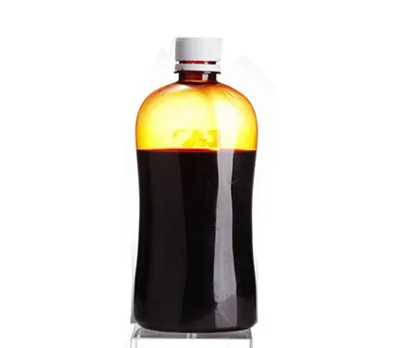
Povidone iodine (PVP-I) is a complex formed by the complexation of iodine and polyvinylpyrrolidone (PVP). PVP is a high molecular polymer with good water solubility and biocompatibility. It can form a stable complex with iodine, so that iodine is slowly released in the solution, thereby prolonging the bactericidal effect of iodine. Povidone iodine solution is usually a brown-red liquid with stable properties, no irritating odor, and good affinity for skin and mucous membranes.
●Sterilization principle
The bactericidal effect of povidone iodine is mainly based on the strong oxidizing property of iodine. When povidone iodine comes into contact with pathogens such as bacteria and viruses, the released free iodine can quickly penetrate the cell membrane of the pathogen, combine with the amino acids in the pathogen protein, denature it, and thus destroy the structure and function of the pathogen, achieving the purpose of sterilization and disinfection. Povidone iodine has a wide range of killing effects on a variety of pathogens, including Gram-positive bacteria, Gram-negative bacteria, fungi, viruses, etc. For example, in an in vitro experiment, the use of 0.5% povidone-iodine solution for 5 minutes killed Staphylococcus aureus, Escherichia coli, and Candida albicans at a killing rate of more than 99.9%.
4. Application of povidone-iodine in the prevention of surgical wound infection
● Preoperative skin preparation
Preoperative skin preparation is an important part of preventing surgical wound infection. Traditional preoperative skin disinfection methods mostly use disinfectants such as alcohol and iodine, but these disinfectants have certain limitations, such as strong irritation of alcohol and the need for deiodination of iodine. Povidone Iodione Solution 25655-41-8 50KG or 200KG/drum, as a new type of preoperative skin disinfectant, has obvious advantages. A multicenter randomized controlled trial included 500 patients undergoing elective surgery and randomly divided them into two groups. One group used povidone-iodine for preoperative skin disinfection, and the other group used traditional iodine-alcohol disinfection method. The results showed that the incidence of surgical wound infection in the povidone-iodine group was 2.4%, significantly lower than 5.6% in the iodine-alcohol group (P < 0.05).
●Intraoperative incision irrigation
During the operation, rinsing the surgical incision can effectively remove blood, tissue fragments and bacteria in the incision and reduce the risk of infection. Povidone Iodine Solution solution is an ideal choice for intraoperative incision irrigation due to its good bactericidal properties and low irritation. Studies have shown that intraoperative incision irrigation with 0.5% povidone-iodine solution diluted with 0.9% saline can significantly reduce the incidence of surgical incision infection. For example, in a study of abdominal surgery, the experimental group used povidone-iodine solution to irrigate the incision, and the control group used saline to irrigate the incision. Postoperative follow-up found that the incidence of surgical incision infection in the experimental group was 3.2%, while that in the control group was 8.5%, and the difference was statistically significant (P < 0.05).
● Postoperative wound care
Postoperative wound care is also crucial for preventing surgical incision infection. Povidone-iodine can be used for postoperative wound disinfection and dressing changes, keeping wounds clean and promoting wound healing. In a study of 100 orthopedic surgery patients, all patients' postoperative wounds were cared for with povidone-iodine. The results showed that only 1 patient had a mild wound infection, with an infection rate of 1%, indicating that povidone-iodine can play a good role in preventing infection in postoperative wound care.
5. Significant advantages of povidone-iodine
Broad-spectrum sterilization without dead angles
Povidone - iodine acts as an "all - round guard", effectively killing diverse pathogenic microorganisms. Pathogens like Staphylococcus aureus and Escherichia coli can't escape its action. It precisely targets both Gram - positive and Gram - negative bacteria, erecting a solid "antibacterial barrier" for surgical incisions.
High safety makes people feel at ease
Povidone - iodine is very "gentle" to skin and mucous membranes with minimal irritation. Few patients have discomfort or allergic reactions during clinical use. Thus, it suits all patients, especially those with sensitive skin or weak constitution, widening its application scope.
Synergistic effect enhances power
When povidone - iodine combines with antibacterial drugs like levofloxacin, they act as tacit partners, exerting a strong synergistic effect. Working together, they expand the antibacterial spectrum and enhance antibacterial power, with the "1 + 1 > 2" effect clearly seen in preventing surgical incision infections.
Promote healing and accelerate recovery
Povidone iodine not only prevents infection but also actively promotes incision healing. It accelerates cell proliferation and repair by improving the wound's local environment, enabling faster healing. This shortens the patient's hospital stay, eases their pain, and enhances overall recovery quality.
6. Market prospects and development trends of povidone-iodine
As people pay more and more attention to medical quality and surgical safety, the importance of surgical wound infection prevention has become more and more prominent. As an effective preventive measure, povidone iodine has a strong market demand. At present, it has been widely used in medical institutions at all levels, from large general hospitals to specialized hospitals, and then to primary medical units. Market research institutions predict that in the next few years, the global povidone iodine market will grow steadily at an annual rate of 8% - 10%.
In the field of product research and development, researchers actively explore innovations and strive to further improve the performance and ease of use of povidone iodine. For example, new povidone iodine preparations, such as gels and sprays, are developed to adapt to different surgical scenarios and patient needs. By optimizing the formula, improving its bactericidal efficiency and stability, it can play a greater role in preventing surgical wound infection. In addition, studying the combined application of povidone iodine with other new antibacterial drugs is also one of the future development directions.
In summary, Povidone Iodine has significant effects and unique advantages in the prevention of surgical wound infection. It provides patients with a more comprehensive and effective infection prevention program by combining it with antimicrobial drugs. In clinical practice, the application of povidone-iodine helps reduce the infection rate of wounds and promotes patient recovery, which deserves wide promotion.