

 русский
  Kreyòl Ayisyen
 Gaeilgenah Éireann
 Norsk
Norsk Srbija jezik (latinica)
 bosanski
 Português
 Français
 magyar
 বাংলা
বাংলা Polski
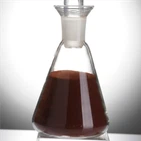


In formulation science, the performance of a polymer is not defined by its name, but by its molecular architecture and functional behavior. Polyvinylpyrrolidone (PVP) is one of the most widely used water-soluble polymers in pharmaceutical, cosmetic, and industrial formulations. Among its most common grades, PVP K30 and PVP K90 are often selected, yet frequently misunderstood. Choosing the correct grade directly affects viscosity, stability, solubility, and final product performance.This article provides a structured guide to help formulators make the right decision between K30 and K90 based on scientific and application-driven principles.

Basic Formulation Selection Overview (K30 vs K90)
| Parameter | PVP K30 | PVP K90 |
|---|---|---|
| Molecular Weight | ~40,000–60,000 | ~800,000–1,500,000 |
| K-value | 27–32 | 85–95 |
| Viscosity | Low | High |
| Dissolution Speed | Fast | Slower |
| Film-Forming Ability | Medium | Strong |
| Main Function | Binding, dispersing, fast processing | Thickening, structuring, sustained system |
| Typical Systems | Fast-release, low-viscosity formulations | Gel systems, controlled-release, structured formulations |
| Common Applications | Tablets, oral liquids, fast-dissolving systems | Gels, controlled-release formulations, cosmetics |
Structural Differences Between PVP K30 and K90
PVP (Polyvinylpyrrolidone) is a non-ionic, water-soluble polymer. The K-value reflects molecular weight and intrinsic viscosity.
PVP K30 consists of shorter polymer chains, resulting in a lighter and more mobile molecular structure. In contrast, PVP K90 contains significantly longer chains, forming a denser and more interconnected molecular network.
This fundamental structural difference determines how each grade behaves in formulation systems, especially in viscosity development, binding performance, and film formation characteristics.
Physicochemical Performance Comparison
PVP K30 dissolves rapidly in aqueous systems and is well suited for high-speed processing environments such as spray drying and rapid blending systems. Its low viscosity contributes to excellent flowability and processing efficiency.
PVP K90 dissolves more slowly and requires stronger mixing conditions to achieve uniform dispersion. However, once fully hydrated, it forms a highly stable and viscous system, making it ideal for structured formulations that require long-term stability.
In terms of viscosity behavior, K30 produces low-viscosity solutions that are easy to handle and process. K90, on the other hand, generates significantly higher viscosity at the same concentration, providing strong structural support within the formulation matrix.
Regarding film formation, K30 produces flexible but relatively thin films suitable for fast applications. K90 forms dense and durable films with long-lasting structural integrity, which is critical for controlled-release and high-performance cosmetic systems.
Application Insights Across Industries
In pharmaceutical formulations, PVP K30 is widely used as a tablet binder, fast-release matrix former, and suspension stabilizer. Its rapid dissolution characteristics make it ideal for immediate-release dosage forms.
PVP K90 is commonly used in controlled-release and sustained-release drug delivery systems. Its high molecular weight allows it to form strong gel networks that regulate active ingredient release and improve system stability.
In cosmetic applications, PVP K30 is suitable for lightweight emulsions, liquid skincare products, and fast-absorbing formulations. It supports smooth texture and quick application feel.
PVP K90 is widely used in hair styling gels, high-viscosity creams, and long-lasting film-forming cosmetic products. It provides strong hold, enhanced texture, and durable performance.
In industrial and food-related applications, K30 is typically used as a dispersing and stabilizing agent, while K90 functions as a thickening and structural polymer that enhances system viscosity and stability.
Selection Principles for K30 vs K90
The selection between K30 and K90 is generally determined by three key formulation factors.
When low viscosity, fast processing, and quick dissolution are required, K30 is typically the preferred choice. It supports high-efficiency manufacturing processes and rapid product formation.
When high viscosity, structural integrity, and long-term stability are required, K90 becomes the more suitable option. It provides stronger molecular networks and improved system robustness.
When production involves high-speed blending or spray drying, K30 performs more effectively due to its rapid solubility. When the formulation requires gel structure, sustained release, or long-term consistency, K90 delivers superior performance.
Huzhou Sunflower Pharmaceutical Co., Ltd. Company Introduction
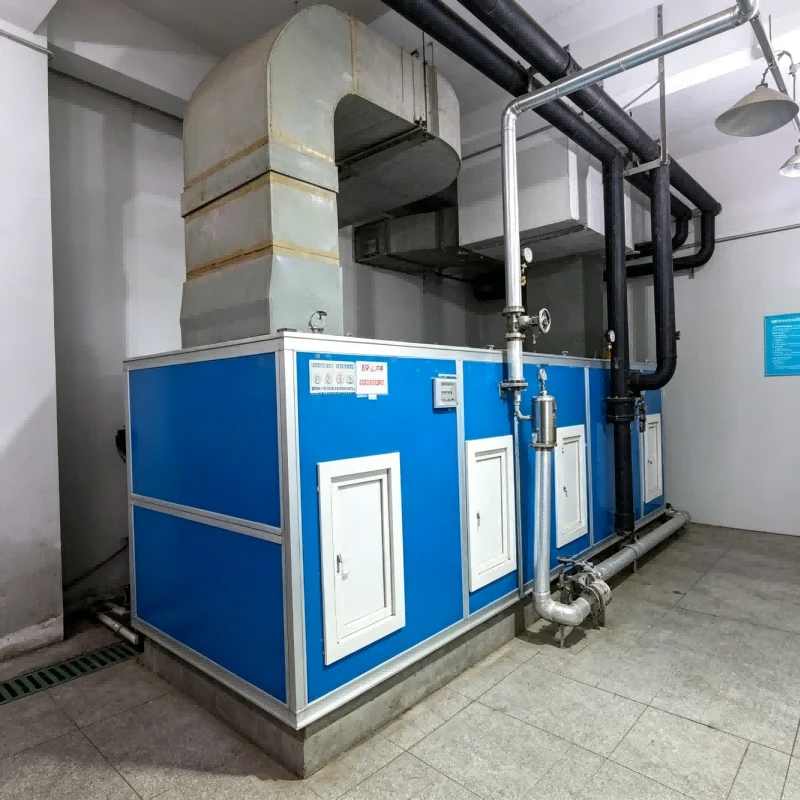
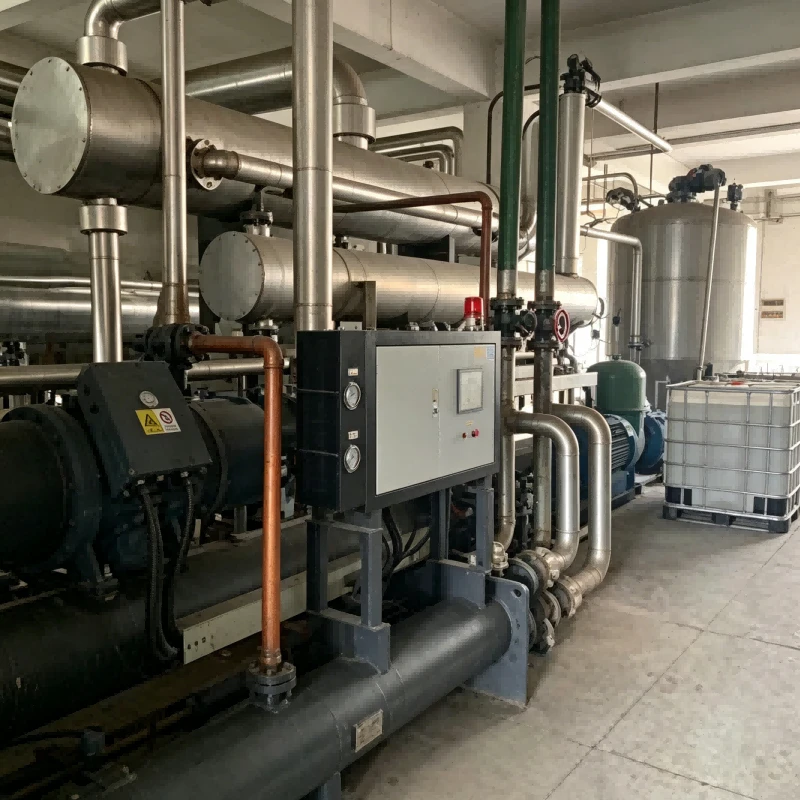
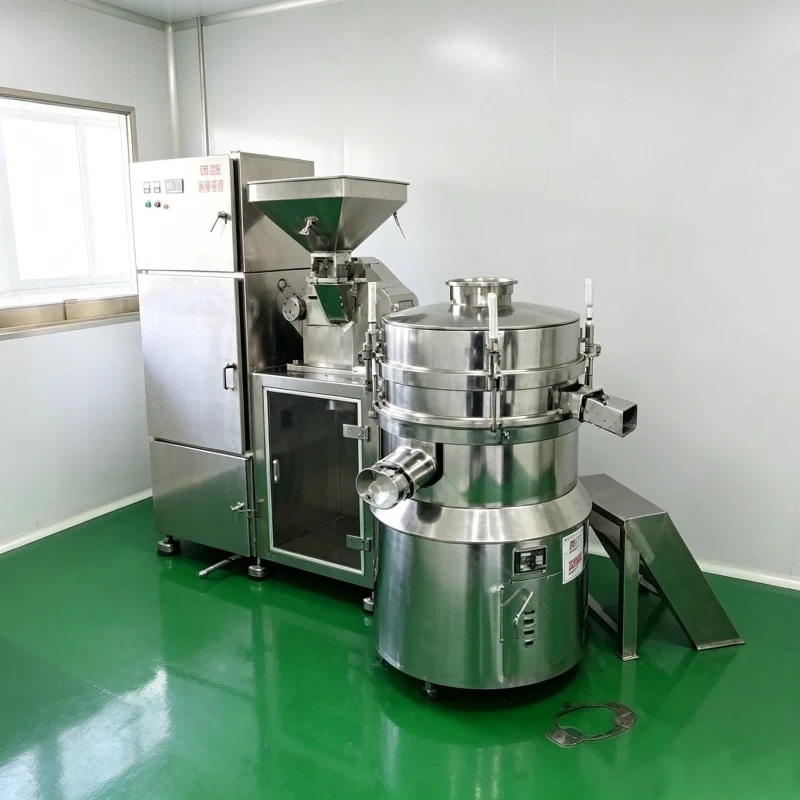
Huzhou Sunflower Pharmaceutical Co., Ltd. is a professional manufacturer specializing in the research, development, and production of
PVP series products, including
K60, and
K90.
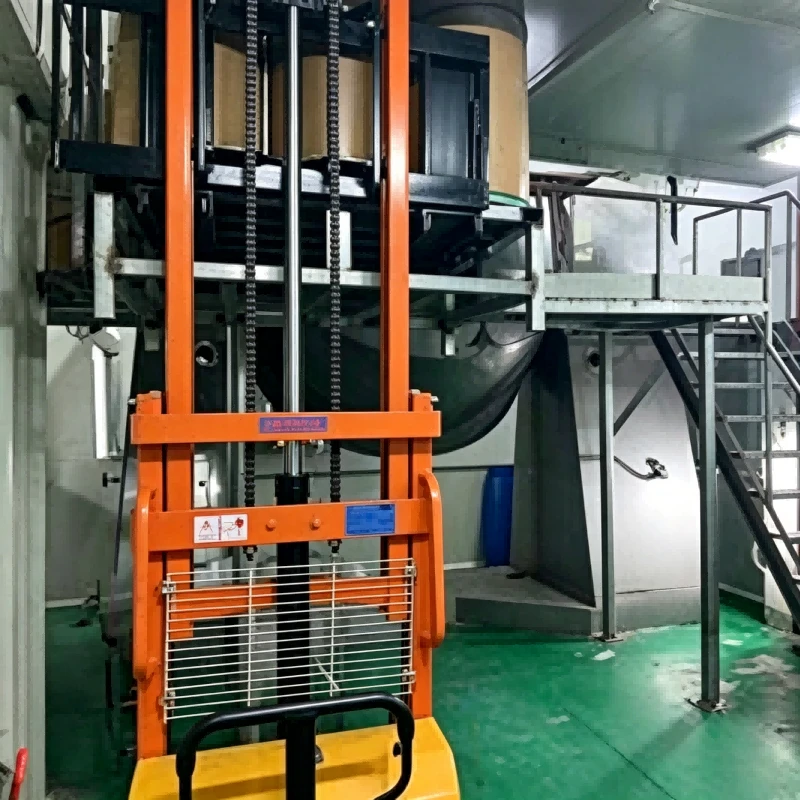
With advanced polymerization technology and a strict quality control system, the company ensures stable product performance and consistent batch quality. Its products are widely applied in pharmaceutical manufacturing, cosmetic ingredient systems, food-grade additive applications, and industrial formulations.
The company operates under internationally recognized quality standards including USP, EP, and JP, ensuring compliance with global pharmaceutical requirements. Through precise molecular weight control technology, it is able to deliver highly consistent polymer performance across different production batches.
Huzhou Sunflower Pharmaceutical also provides OEM and customized specification services, allowing clients to develop tailored PVP solutions according to specific formulation requirements and application environments.
Key Takeaways: PVP K30 vs PVP K90
PVP K30 is optimized for speed, flow, and efficient processing, making it ideal for formulations that require rapid dissolution and quick production cycles.
PVP K90 is designed for stability, structure, and long-term performance, making it suitable for systems that require viscosity control and sustained functional behavior.
In simple terms, K30 builds formulations quickly, while K90 builds formulations with greater strength and stability.
Frequently Asked Questions
PVP K30 and PVP K90 cannot be directly substituted in most formulations because they differ significantly in molecular weight, viscosity behavior, and functional performance. Substitution may lead to changes in stability, texture, or release characteristics.
The choice between K30 and K90 depends primarily on viscosity requirements, dissolution speed, and the desired structural stability of the final product. These factors determine which grade will perform more effectively in a specific formulation.
Neither grade is inherently superior. PVP K90 provides stronger structural and film-forming properties, while PVP K30 offers faster processing and better solubility characteristics.
PVP K30 is widely used in cosmetic formulations, especially in lightweight emulsions and fast-absorbing skincare products where a smooth and non-greasy texture is required.
Products supplied by Huzhou Sunflower Pharmaceutical Co., Ltd. comply with international pharmacopeia standards including USP, EP, and JP, ensuring suitability for global pharmaceutical applications.
Customized PVP specifications are available, including different K-values, molecular weights, and packaging formats to meet specific customer requirements.
Conclusion
The selection between PVP K30 and PVP K90 represents a critical formulation decision rather than a simple material choice. Each grade serves a distinct functional role within a system: K30 prioritizes processing efficiency and rapid dissolution, while K90 focuses on structural integrity and long-term stability.
With strong manufacturing capabilities and strict quality assurance systems, Huzhou Sunflower Pharmaceutical Co., Ltd. provides reliable PVP solutions that support global customers in optimizing formulation design and achieving consistent product performance across pharmaceutical, cosmetic, and industrial applications.