

 русский
  Kreyòl Ayisyen
 Gaeilgenah Éireann
 Norsk
Norsk Srbija jezik (latinica)
 bosanski
 Português
 Français
 magyar
 বাংলা
বাংলা Polski
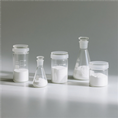
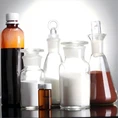
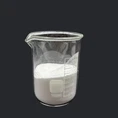
PVP K90 W, also known as Polyvinylpyrrolidone K90, is a high - molecular - weight polymer with a wide range of applications in industries such as pharmaceuticals, cosmetics, and adhesives. As a reliable PVP K90 W supplier, I often receive inquiries about the solvents that can dissolve this polymer. In this blog, I will delve into the various solvents capable of dissolving PVP K90 W, their characteristics, and the implications for different applications.
Chemical Properties of PVP K90 W
Before discussing the solvents, it's essential to understand the chemical nature of PVP K90 W. PVP K90 W is a homopolymer of N - vinyl - 2 - pyrrolidone with the CAS number 9003 - 39 - 8. It is a white to off - white powder, odorless and tasteless. The "K90" in its name indicates its viscosity grade, with a relatively high molecular weight, which contributes to its unique physical and chemical properties. PVP K90 W is highly hydrophilic, forming clear, viscous solutions in water and some polar solvents. It has excellent film - forming, adhesive, and stabilizing properties, making it a popular choice in many formulations.
Solvents for Dissolving PVP K90 W
Water
Water is the most common and readily available solvent for PVP K90 W. Due to its hydrophilic nature, PVP K90 W can dissolve in water to form a homogeneous, viscous solution. When PVP K90 W is added to water, the polar carbonyl and amide groups in the polymer interact with water molecules through hydrogen bonding. This interaction allows the polymer chains to separate and disperse evenly in the water, resulting in a clear solution.
The solubility of PVP K90 W in water is temperature - dependent. Generally, higher temperatures increase the solubility rate. At room temperature, it may take some time for PVP K90 W to fully dissolve, but gentle heating (up to about 60 - 70°C) can significantly speed up the process. Aqueous solutions of PVP K90 W are widely used in pharmaceutical applications, such as in the preparation of oral solutions, suspensions, and as a binder in tablet formulations, as described in PVP As Pill Binder.
Alcohols
Alcohols, such as ethanol and isopropanol, are also good solvents for PVP K90 W. These solvents are polar and can form hydrogen bonds with the polymer. Ethanol, in particular, is commonly used in the pharmaceutical and cosmetic industries. It can dissolve PVP K90 W to form solutions with different viscosities depending on the concentration.
The solubility of PVP K90 W in alcohols is generally lower than in water. However, alcohol solutions of PVP K90 W have some advantages. For example, they can evaporate more quickly than water, which is useful in applications where fast - drying films are required, such as in hairsprays and topical pharmaceutical products. Isopropanol can also be used as a solvent, especially in formulations where ethanol is not preferred due to regulatory or stability reasons.
Glycols
Glycols, like ethylene glycol and propylene glycol, are capable of dissolving PVP K90 W. These solvents have a high boiling point and are hygroscopic, which means they can retain moisture. Ethylene glycol and propylene glycol can form stable solutions with PVP K90 W, and the resulting solutions have good chemical and physical stability.
In cosmetic formulations, glycol solutions of PVP K90 W are often used in skin - care products. The glycols help to keep the product moisturized, and the PVP K90 W provides film - forming and stabilizing properties. For example, in moisturizing creams and lotions, PVP K90 W dissolved in glycols can help to form a protective film on the skin, preventing moisture loss.
Amides
Some amide solvents, such as dimethylformamide (DMF) and dimethylacetamide (DMA), can dissolve PVP K90 W. These solvents are highly polar and have strong solvating power. They can break the intermolecular forces between the polymer chains and allow the polymer to dissolve.
However, the use of DMF and DMA is more limited due to their potential toxicity. They are mainly used in laboratory research and some industrial applications where the final product is not in direct contact with humans. In industrial processes, these solvents can be used for the synthesis and purification of PVP K90 W - based polymers or in the preparation of special coatings.
Lactams
2 - pyrrolidone and its derivatives are good solvents for PVP K90 W. 2 - pyrrolidone is a cyclic amide with high polarity and good solvating properties. It can dissolve PVP K90 W to form clear, homogeneous solutions. The 2 - pyrrolidone1 - vinyl Homopolymer has a similar chemical structure to PVP K90 W, which enhances the solubility.
2 - pyrrolidone solutions of PVP K90 W are used in applications such as inkjet inks and adhesives. The good solubility and the ability to form stable solutions make them suitable for these applications, where a uniform and stable formulation is required.
Considerations When Choosing a Solvent
When selecting a solvent for PVP K90 W, several factors need to be considered:
Compatibility with Other Ingredients
In most formulations, PVP K90 W is not used alone but in combination with other ingredients. The chosen solvent should be compatible with all the components in the formulation. For example, in a pharmaceutical formulation, the solvent should not react with the active pharmaceutical ingredient or other excipients, ensuring the stability and efficacy of the final product.
Toxicity and Safety
In applications where the final product comes into contact with humans, such as in cosmetics and pharmaceuticals, the toxicity of the solvent is a crucial factor. Solvents with low toxicity, such as water, ethanol, and propylene glycol, are preferred. High - toxicity solvents like DMF and DMA should be avoided unless strict safety measures are in place.
Evaporation Rate
The evaporation rate of the solvent is important in applications where a fast - drying or slow - drying film is required. For example, in hairsprays, a solvent with a relatively fast evaporation rate, such as ethanol, is preferred to allow the hair to dry quickly. In contrast, in some adhesive applications, a slower - evaporating solvent may be needed to allow sufficient time for bonding.
Cost
The cost of the solvent also plays a role in the selection process. Water is the cheapest solvent, followed by common alcohols. More specialized solvents like amides and lactams are generally more expensive. In large - scale industrial production, cost - effectiveness is an important consideration.
Applications of PVP K90 W Solutions
The ability to dissolve PVP K90 W in different solvents enables its use in a wide range of applications:
Pharmaceuticals
In the pharmaceutical industry, PVP K90 W solutions are used in various formulations. As a binder in tablet manufacturing, aqueous solutions of PVP K90 W help to hold the tablet ingredients together. In oral solutions and suspensions, it can act as a stabilizer and thickener, improving the口感 and stability of the product.
Cosmetics
In cosmetics, PVP K90 W solutions are used in hair - care products, skin - care products, and makeup. In hairsprays, ethanol solutions of PVP K90 W provide hold and styling properties. In moisturizers, glycol solutions help to form a protective film on the skin, preventing moisture loss.
Adhesives
PVP K90 W solutions in solvents like 2 - pyrrolidone are used in adhesive formulations. The polymer provides adhesion and film - forming properties, while the solvent helps to adjust the viscosity and drying characteristics of the adhesive.


Conclusion
As a PVP K90 W supplier, I understand the importance of knowing the right solvents for this polymer. Water, alcohols, glycols, amides, and lactams are all capable of dissolving PVP K90 W, each with its own characteristics and applications. When choosing a solvent, factors such as compatibility, toxicity, evaporation rate, and cost should be considered.
Whether you are in the pharmaceutical, cosmetic, or adhesive industry, the ability to dissolve PVP K90 W effectively can enhance the performance of your products. If you are interested in purchasing PVP K90 W or have any questions about its solvents and applications, please feel free to contact me for further discussion and procurement negotiation.
References
- Handbook of Pharmaceutical Excipients.
- Cosmetic Science and Technology books.
- Industrial Adhesive Technology references.