

 русский
  Kreyòl Ayisyen
 Gaeilgenah Éireann
 Norsk
Norsk Srbija jezik (latinica)
 bosanski
 Português
 Français
 magyar
 বাংলা
বাংলা Polski


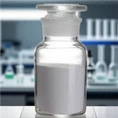

Hey there! As a Copovidon supplier, I often get asked about the recommended dosage of Copovidon. In this blog, I'm gonna break it down for you and give you all the deets you need to know.
First off, let's understand what Copovidon is. Copovidon, also known as Copovidonee, is a versatile polymer that's used in a whole bunch of industries, like pharmaceuticals, cosmetics, and even food. It's got some pretty cool properties, such as being a great binder, film - former, and solubilizer.


Dosage in Pharmaceuticals
In the pharmaceutical world, Copovidon is a rock - star ingredient. It's used in tablets, capsules, and liquid formulations. The recommended dosage here can vary widely depending on the specific application.
For tablet and capsule manufacturing, Copovidon is often used as a binder. Usually, the amount of Copovidon used ranges from 2% to 20% of the total weight of the formulation. If you're making a simple immediate - release tablet, a lower dosage around 2% - 5% might be sufficient. This helps hold the tablet together without affecting the release of the active ingredient too much. On the other hand, for more complex controlled - release tablets, you might need a higher dosage, say 10% - 20%. This is because Copovidon can form a matrix that controls the rate at which the drug is released into the body.
When it comes to liquid formulations, Copovidon can act as a solubilizer. For drugs that are poorly soluble in water, adding Copovidon can help them dissolve better. The dosage in liquid formulations typically ranges from 1% to 10%. You don't want to go too high, though, as it can make the solution too viscous.
Dosage in Cosmetics
Copovidon is also a popular ingredient in cosmetics. It's used in hair products, skin creams, and makeup.
In hair products, like hair sprays and conditioners, Copovidon provides hold and shine. For hair sprays, the recommended dosage is usually around 5% - 15%. This gives the hair enough stiffness to hold its style without making it feel crunchy. If you're looking at conditioners, products like PVP VA64 For Hair Conditioner often use Copovidon at a lower dosage, around 1% - 5%. This helps to detangle the hair and give it a smooth finish.
In skin creams and lotions, Copovidon can act as a film - former, helping to lock in moisture. The dosage here is generally lower, around 0.5% - 3%. It forms a thin, breathable film on the skin that keeps the moisture in without feeling greasy.
Dosage in Food
In the food industry, Copovidon is used as a stabilizer and thickener. It's approved for use in certain food products, but the dosage is strictly regulated. Usually, the amount of Copovidon used in food is very low, less than 1%. This is to ensure that it doesn't have any negative effects on the taste or safety of the food.
Factors Affecting Dosage
There are several factors that can influence the recommended dosage of Copovidon.
The nature of the active ingredient or the product you're trying to formulate is a big one. If the active ingredient is very potent, you might need to use less Copovidon to avoid any interactions. The desired properties of the final product also matter. If you want a very strong - holding hair spray, you'll need a higher dosage of Copovidon compared to a light - hold one.
The manufacturing process can also play a role. Some processes are more sensitive to the amount of Copovidon used. For example, in some high - shear mixing processes, using too much Copovidon can lead to issues with mixing and uniformity.
Different Grades of Copovidon
There are different grades of Copovidon available, such as the Copovidonee VA Series. Each grade has its own unique properties, which can affect the recommended dosage.
For example, some grades might have a higher molecular weight, which means they can form stronger films. In hair products, a grade with a higher molecular weight might require a lower dosage to achieve the same level of hold compared to a lower - molecular - weight grade.
More about Copovidon in Hair Products
Copovidon is a key player in the hair care industry. Products like PVP Copolymer For Hair are designed to give hair that perfect look.
In addition to the dosage, the way Copovidon interacts with other ingredients in the hair product is important. It can work synergistically with other polymers and conditioning agents. For example, when combined with certain silicones, it can enhance the smoothness and shine of the hair.
Safety Considerations
When using Copovidon, safety is always a top priority. In general, Copovidon is considered safe for use in the recommended dosages. However, it's important to follow all the relevant regulations and guidelines.
In the pharmaceutical industry, strict quality control measures are in place to ensure that the Copovidon used is of high purity and that the dosage is accurate. The same goes for the cosmetic and food industries.
Conclusion
So, as you can see, the recommended dosage of Copovidon depends on a whole bunch of factors, including the industry, the specific product, and the desired properties. Whether you're in the pharmaceutical, cosmetic, or food business, getting the dosage right is crucial for the success of your product.
If you're interested in purchasing Copovidon for your products, I'd love to have a chat with you. We can discuss your specific needs and figure out the best grade and dosage for your application. Feel free to reach out, and let's start a great partnership!
References
- Pharmaceutical Excipients Handbook
- Cosmetic Ingredient Review Reports
- Food Additive Regulations