

 русский
  Kreyòl Ayisyen
 Gaeilgenah Éireann
 Norsk
Norsk Srbija jezik (latinica)
 bosanski
 Português
 Français
 magyar
 বাংলা
বাংলা Polski


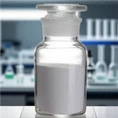

PVP/VA 64, also known as Copovidonee, is a copolymer that has gained significant attention in various industries due to its unique properties and wide - ranging applications. As a leading supplier of PVP/VA 64, I often encounter inquiries about its melting point. In this blog, we will delve into the details of what the melting point of PVP/VA 64 is, factors that can influence it, and its significance in different applications.


What is PVP/VA 64?
PVP/VA 64 is a copolymer of vinylpyrrolidone (VP) and vinyl acetate (VA). The "64" in its name typically refers to the ratio of the monomers in the copolymer, where the vinylpyrrolidone content is around 60 - 64%. This copolymer is a white to off - white, hygroscopic powder or granule. It is soluble in water, alcohol, and other polar solvents, which makes it extremely versatile in different formulations. You can learn more about PVP/VA 64 Copovidonee on our website.
The Melting Point of PVP/VA 64
The melting point of PVP/VA 64 is generally in the range of 100 - 130°C. However, it's important to note that this is an approximate range. The actual melting point can vary depending on several factors.
Influence of Molecular Structure
The ratio of vinylpyrrolidone to vinyl acetate in the copolymer can have a significant impact on the melting point. A higher proportion of vinylpyrrolidone can lead to a higher melting point because vinylpyrrolidone has a more polar structure compared to vinyl acetate. The polar groups in vinylpyrrolidone can form stronger intermolecular forces, such as hydrogen bonds, which require more energy to break, thus increasing the melting point.
Degree of Polymerization
The degree of polymerization, or the length of the polymer chains, also affects the melting point. Longer polymer chains have more extensive intermolecular interactions, such as van der Waals forces and entanglement. As a result, polymers with a higher degree of polymerization generally have higher melting points. In the case of PVP/VA 64, different batches may have slightly different degrees of polymerization, leading to small variations in the melting point.
Impurities and Additives
The presence of impurities or additives in the PVP/VA 64 sample can lower the melting point. Impurities can disrupt the regular packing of the polymer chains, reducing the strength of the intermolecular forces. Additives, such as plasticizers, are often added to improve the flexibility and processability of the polymer. These additives can also interact with the polymer chains, weakening the intermolecular forces and causing the melting point to decrease.
Significance of the Melting Point in Different Applications
Pharmaceutical Industry
In the pharmaceutical industry, PVP/VA 64 is widely used as a binder, film - former, and solubilizer. The melting point is crucial during the manufacturing process, especially in hot - melt extrusion and tablet coating. In hot - melt extrusion, the polymer needs to be melted at a suitable temperature to form a homogeneous mixture with the active pharmaceutical ingredient (API). If the melting point is too high, it may require excessive heat, which can degrade the API. On the other hand, if the melting point is too low, the polymer may melt prematurely during storage or transportation. You can explore more about Vinylpyrrolidone - Copolymer used in pharmaceuticals on our website.
Cosmetics Industry
PVP/VA 64 is also a popular ingredient in cosmetics, especially in hair sprays, gels, and skin care products. In hair products, it provides hold and styling properties. The melting point affects the application process. For example, in hair sprays, the polymer needs to dry quickly after spraying without melting at normal room temperatures. In skin care products, such as VP/VA Copolymer For Skin, the melting point can influence the texture and stability of the product. If the melting point is too low, the product may become sticky or lose its shape, while a too - high melting point may make it difficult to spread evenly on the skin.
Adhesive Industry
In the adhesive industry, PVP/VA 64 is used as a component in hot - melt adhesives. The melting point determines the temperature at which the adhesive can be applied. A suitable melting point ensures that the adhesive can be easily melted and applied to the substrate, while also providing good bonding strength after cooling.
Measuring the Melting Point of PVP/VA 64
There are several methods to measure the melting point of PVP/VA 64. One of the most common methods is differential scanning calorimetry (DSC). DSC measures the heat flow associated with physical and chemical changes in a sample as a function of temperature. By heating the PVP/VA 64 sample at a controlled rate, the endothermic peak corresponding to the melting process can be detected, and the melting point can be determined from the peak temperature.
Another method is the capillary tube method. In this method, a small amount of the PVP/VA 64 sample is placed in a capillary tube, and the tube is heated at a slow and constant rate. The temperature at which the sample starts to melt and becomes transparent is recorded as the melting point.
Quality Control and Melting Point
As a PVP/VA 64 supplier, we understand the importance of the melting point in ensuring the quality and performance of our products. We have strict quality control measures in place to ensure that the melting point of our PVP/VA 64 falls within the specified range. Our production process is carefully monitored to control the molecular structure, degree of polymerization, and impurity levels.
Before shipping our products to customers, we conduct thorough melting point tests using advanced analytical instruments. This helps us to guarantee that our customers receive high - quality PVP/VA 64 that meets their specific requirements.
Conclusion
The melting point of PVP/VA 64 is an important property that can significantly affect its performance in various applications. It typically ranges from 100 - 130°C, but can be influenced by factors such as molecular structure, degree of polymerization, and the presence of impurities or additives. Whether you are in the pharmaceutical, cosmetics, or adhesive industry, understanding the melting point of PVP/VA 64 is crucial for successful product development and manufacturing.
If you are interested in purchasing high - quality PVP/VA 64 for your specific application, please feel free to contact us for a detailed discussion. Our team of experts is ready to assist you in finding the best solution for your needs.
References
- "Handbook of Pharmaceutical Excipients" by Raymond C. Rowe et al.
- "Cosmetic Science and Technology" edited by Marcel Dekker.
- "Adhesive Bonding: Science, Technology, and Applications" by S. K. Mallick.