

 русский
 Kreyòl Ayisyen
 Gaeilgenah Éireann
 Norsk
 Srbija jezik (latinica)
 bosanski
 Português
 Français
 magyar
 বাংলা
 Polski


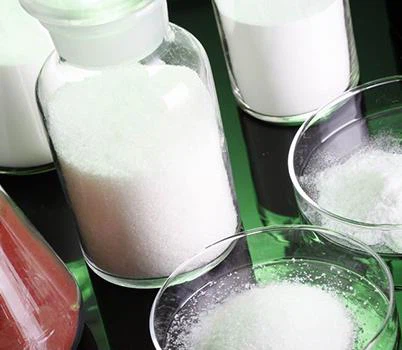
Hey there! As a PVPP supplier, I often get asked about the storage conditions for PVPP to maintain its effectiveness. PVPP, or Polyvinylpyrrolidone(PVPP) 25249-54-1, is a super useful insoluble polymer that's widely used in various industries, especially in the food and beverage sector for clarifying liquids. So, let's dive right into what you need to know to keep your PVPP in top-notch condition.
Why Storage Conditions Matter
First off, why does it matter how you store PVPP? Well, PVPP's effectiveness depends on its physical and chemical properties. If it's stored incorrectly, these properties can change, which means it won't work as well when you use it. For example, if it gets exposed to the wrong temperature or humidity, it might clump together or react with other substances in the air, reducing its ability to clarify liquids or perform other functions.
Ideal Temperature
One of the most important factors in storing PVPP is temperature. PVPP should be stored in a cool environment. Generally, a temperature range between 10°C and 30°C is ideal. Why this range? At lower temperatures, PVPP remains stable, and its molecular structure doesn't change. If it gets too cold, there's a risk of the polymer becoming brittle, which can affect its performance. On the other hand, if the temperature goes above 30°C, PVPP can start to break down. High temperatures can cause the polymer chains to break, reducing its cross - linking and making it less effective at binding to impurities.
For instance, in a hot warehouse where the temperature can soar during the summer months, PVPP stored there might start to lose its effectiveness over time. So, it's crucial to find a storage space with proper temperature control. You might consider using a climate - controlled storage unit or a room with air conditioning if you live in a hot climate.
Humidity Control
Humidity is another big deal when it comes to storing PVPP. PVPP is hygroscopic, which means it can absorb moisture from the air. When PVPP absorbs too much moisture, it can clump together. These clumps are not only difficult to handle but also reduce the surface area available for binding to impurities.
The ideal relative humidity for storing PVPP is below 60%. If the humidity is higher, you can use desiccants in the storage area. Silica gel packs are a common and inexpensive option. You can place these packs in the storage containers with PVPP to absorb excess moisture. Another option is to use a dehumidifier in the storage room. This can help maintain the right humidity level and keep your PVPP in good condition.
Protection from Light
Light, especially ultraviolet (UV) light, can also have a negative impact on PVPP. UV light can cause photodegradation of the polymer. When PVPP is exposed to UV light, the polymer chains can break, and its chemical properties can change. This leads to a decrease in its effectiveness.
To protect PVPP from light, it should be stored in opaque containers. If you're using large storage drums, make sure they are made of a material that blocks light. Also, the storage area should be kept dark as much as possible. Avoid placing PVPP near windows or in areas where it will be exposed to direct sunlight.
Packaging
The packaging of PVPP plays a significant role in its storage. PVPP should be stored in sealed containers. The containers should be made of a material that is resistant to moisture, light, and chemical reactions. High - density polyethylene (HDPE) containers are a good choice. They are strong, resistant to moisture, and can block some light.
When you receive PVPP from a supplier like me, it usually comes in sealed bags or drums. Make sure to keep these seals intact until you're ready to use the product. If you need to transfer PVPP to a different container, make sure the new container is clean and dry before adding the PVPP.
Avoiding Contamination
PVPP should be stored away from other chemicals and substances. It can react with some chemicals, which can change its properties and reduce its effectiveness. For example, strong acids or bases can react with PVPP and break down its structure.
Keep PVPP in a dedicated storage area where it won't come into contact with other chemicals. Also, make sure the storage area is clean. Dust and other particles in the air can contaminate PVPP. Regularly clean the storage area to prevent any build - up of dust or debris.
Monitoring
Once you've set up the proper storage conditions for PVPP, it's important to monitor them regularly. Check the temperature and humidity levels in the storage area daily. You can use a simple thermometer and hygrometer to do this. If the temperature or humidity goes out of the ideal range, take action immediately. For example, if the humidity is too high, add more desiccants or turn on the dehumidifier.
Also, inspect the PVPP regularly for any signs of clumping, discoloration, or other changes. If you notice any issues, it's a sign that something might be wrong with the storage conditions.
Long - Term Storage
If you need to store PVPP for a long time, you need to be even more careful. Long - term storage can increase the risk of degradation. In addition to following all the storage conditions mentioned above, you might want to consider periodic testing of the PVPP. You can take small samples at regular intervals and test its effectiveness in a laboratory. This way, you can catch any issues early and take steps to correct them.
Conclusion
In conclusion, proper storage of PVPP is essential to maintain its effectiveness. By controlling temperature, humidity, light, and protecting it from contamination, you can ensure that your PVPP remains in good condition and performs as expected. Remember, PVPP, also known as Polyvinylpyrrolidone Insoluble, is a valuable product, and taking good care of it will save you money and ensure the quality of your end products.
If you're in the market for high - quality PVPP, I'm here to help. Whether you need a small amount for a laboratory test or a large quantity for industrial use, I can provide you with the best PVPP products. Contact me to start a procurement discussion and find out how PVPP can benefit your business.

References
- General knowledge about polymer storage and properties
- Industry standards for storing PVPP in the food and beverage sector
Click here for more information:
Polyvinylpyrrolidone Insoluble
Polyvinylpyrrolidone(PVPP) 25249-54-1
25249-54-1