

 русский
  Kreyòl Ayisyen
 Gaeilgenah Éireann
 Norsk
Norsk Srbija jezik (latinica)
 bosanski
 Português
 Français
 magyar
 বাংলা
বাংলা Polski


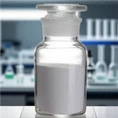

As a supplier of PVP K60, I am often asked about the optimal storage conditions for large-scale quantities of this essential chemical. PVP K60, or Polyvinylpyrrolidone with a K-value of 60, is a widely used polymer in various industries, including pharmaceuticals, cosmetics, and food. Understanding the proper storage conditions is crucial to maintain its quality and effectiveness over time.
Physical and Chemical Properties of PVP K60
Before delving into the storage conditions, it's important to understand the physical and chemical properties of PVP K60. PVP K60 is a white to off-white, hygroscopic powder. Hygroscopic means that it has a tendency to absorb moisture from the surrounding air. This property can have significant implications for its storage, as excessive moisture can lead to clumping, degradation, and a reduction in its performance.
PVP K60 is soluble in water and many organic solvents, and it has excellent film-forming, complexing, and colloidal properties. These properties make it a versatile ingredient in many applications, but they also require careful storage to preserve its characteristics.
Temperature and Humidity Control
One of the most critical factors in storing PVP K60 is temperature and humidity control. The ideal storage temperature for PVP K60 is between 20°C and 25°C (68°F - 77°F). This temperature range helps to maintain the stability of the polymer and prevents thermal degradation. Exposure to high temperatures can cause the polymer chains to break down, leading to a loss of its desirable properties.
Humidity is another key consideration. As mentioned earlier, PVP K60 is hygroscopic, so it should be stored in a low-humidity environment. The relative humidity should be kept below 60%. High humidity can cause the powder to absorb moisture, resulting in clumping and caking. This not only makes the product difficult to handle but can also affect its solubility and performance in end-use applications.
To achieve the appropriate temperature and humidity levels, large-scale storage facilities should be equipped with climate control systems. These systems can monitor and adjust the temperature and humidity continuously, ensuring a stable storage environment for PVP K60.
Storage Containers
The choice of storage containers is also important for preserving the quality of PVP K60. The containers should be made of materials that are compatible with the polymer and can protect it from external factors such as moisture, light, and oxygen.
For large-scale storage, stainless steel or plastic containers are commonly used. Stainless steel containers are durable, corrosion-resistant, and can provide a good barrier against moisture and oxygen. Plastic containers, on the other hand, are lightweight, cost-effective, and can be designed to be airtight.
Regardless of the material, the containers should be sealed tightly to prevent the entry of moisture and air. Vacuum sealing or using an inert gas such as nitrogen to displace the air inside the container can further enhance the protection of PVP K60.
Protection from Light and Oxidation
PVP K60 can be sensitive to light and oxidation, which can cause discoloration and degradation over time. To protect the product from these factors, it should be stored in opaque containers or in a dark storage area.
Exposure to light, especially ultraviolet (UV) light, can initiate chemical reactions that break down the polymer chains and reduce its effectiveness. Oxidation can also occur when PVP K60 is exposed to oxygen in the air, leading to the formation of peroxides and other degradation products.
In addition to using opaque containers, the storage area should be kept away from direct sunlight and sources of artificial light. If possible, the containers can be wrapped with light-blocking materials for added protection.
Handling and Shelf Life
Proper handling procedures are also essential for maintaining the quality of PVP K60 during storage. When transferring the product between containers or during the loading and unloading process, precautions should be taken to minimize exposure to air and moisture.
The shelf life of PVP K60 can vary depending on the storage conditions. Under optimal conditions (temperature between 20°C - 25°C and relative humidity below 60%), PVP K60 can typically be stored for up to two years without significant degradation. However, it's important to regularly inspect the product for any signs of clumping, discoloration, or other changes in its physical properties.
Comparison with Other PVP K Series Products
PVP K60 is part of the Polyvinylpyrrolidone/povidone/PVP K Series, which includes other polymers with different K-values. Each K-value corresponds to a different molecular weight and viscosity of the polymer, and the storage conditions may vary slightly depending on the specific product.


For example, PVP K90 Film-Forming Agent has a higher molecular weight and viscosity compared to PVP K60. While the general principles of temperature, humidity, and light protection apply to both products, PVP K90 may be more sensitive to changes in these conditions due to its higher molecular weight.
Similarly, the Polymer Polyvinylpyrrolidone (PVP) K Series 9003-39-8 as a whole requires careful storage to maintain its quality and performance. The specific K-value of each product within the series should be taken into account when determining the most suitable storage conditions.
Conclusion and Call to Action
In conclusion, proper storage conditions are essential for maintaining the quality and effectiveness of PVP K60 in large-scale storage. By controlling the temperature, humidity, protecting the product from light and oxidation, and using appropriate storage containers, the shelf life of PVP K60 can be extended, and its performance in various applications can be ensured.
If you are in need of high-quality PVP K60 or have any questions about its storage or application, please feel free to contact us for more information. Our team of experts is ready to assist you in finding the best solutions for your specific needs.
References
- Handbook of Pharmaceutical Excipients. Rowe, R. C., Sheskey, P. J., & Owen, S. C. (Eds.). (2009). Pharmaceutical Press.
- Polyvinylpyrrolidone: A Versatile Polymer for Medical and Pharmaceutical Applications. Kopeček, J. (1992). CRC Press.
- Industrial Polymers Handbook: Products, Processes, and Applications. Rosen, S. L. (Ed.). (1993). Wiley.