

 русский
 Kreyòl Ayisyen
 Gaeilgenah Éireann
 Norsk
 Srbija jezik (latinica)
 bosanski
 Português
 Français
 magyar
 বাংলা
 Polski

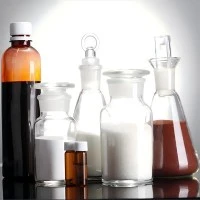
PVP K30, also known as Polyvinylpyrrolidone K30, is a versatile polymer with a wide range of applications in various industries, including pharmaceuticals, cosmetics, food, and more. As a PVP K30 supplier, I've witnessed firsthand how the price of this product can fluctuate. In this blog post, I'll explore the key factors that affect the price of PVP K30.
Raw Material Costs
The production of PVP K30 begins with raw materials, primarily N - Vinyl - 2 - pyrrolidone (NVP). NVP is a crucial building block for PVP K30, and its price has a direct impact on the final cost of PVP K30. The market price of NVP can be influenced by several factors:
- Supply and Demand Dynamics: If the demand for NVP increases in industries like NVP Homopolymers For 3D Printing Resins, where it is used as a raw material for 3D printing resins, and the supply cannot keep up, the price of NVP will rise. Conversely, an oversupply of NVP in the market will lead to a decrease in its price, which in turn can lower the cost of producing PVP K30.
- Production Costs of NVP: The production of NVP involves complex chemical processes and requires specific raw materials and energy. Fluctuations in the prices of these inputs, such as petrochemical feedstocks and energy sources like natural gas or electricity, can significantly affect the production cost of NVP. For example, if there is a sudden increase in the price of crude oil, which is a major source of petrochemical feedstocks, the cost of producing NVP will go up, and this will be reflected in the price of PVP K30.
Manufacturing Process and Technology
The manufacturing process of PVP K30 is another important factor influencing its price.


- Production Efficiency: Modern and efficient manufacturing processes can reduce the cost of producing PVP K30. Suppliers who have invested in advanced production technologies, such as continuous polymerization processes, can produce PVP K30 in larger quantities with less waste and lower energy consumption. This increased efficiency allows them to offer PVP K30 at a more competitive price. On the other hand, suppliers using outdated or less efficient production methods may have higher production costs, which will be passed on to the customers in the form of higher prices.
- Quality Control and Compliance: Producing high - quality PVP K30 requires strict quality control measures. Suppliers need to comply with various industry standards and regulations, especially in industries like pharmaceuticals and cosmetics. For example, PVP Cosmetic Grade must meet specific purity and safety requirements. Implementing these quality control and compliance measures adds to the production cost. However, customers are often willing to pay a premium for PVP K30 that meets these high - quality standards.
Market Demand and Competition
The market demand for PVP K30 and the level of competition among suppliers play a significant role in determining its price.
- Demand in Different Industries: PVP K30 has diverse applications. In the pharmaceutical industry, it is used as a binder, disintegrant, and solubilizer in tablets and capsules. In the cosmetic industry, it is used in hairsprays, shampoos, and lotions. The demand for PVP K30 in these industries can vary depending on factors such as consumer trends, population growth, and the development of new products. For instance, if there is a growing trend towards natural and organic cosmetics, the demand for PVP Cosmetic Grade may increase, which can drive up the price of PVP K30.
- Competition Among Suppliers: The number of PVP K30 suppliers in the market and their market shares can also affect the price. In a highly competitive market, suppliers may engage in price wars to gain market share. This can lead to lower prices for customers. However, if a few suppliers dominate the market, they may have more control over the price and may set it at a higher level.
Regulatory and Environmental Factors
Regulatory requirements and environmental considerations can have an impact on the price of PVP K30.
- Regulatory Compliance: As mentioned earlier, PVP K30 used in industries such as pharmaceuticals and food must comply with strict regulatory standards. Suppliers need to invest in research, testing, and documentation to ensure compliance. For example, the Food and Drug Administration (FDA) in the United States has specific regulations regarding the use of Polyvinylpyrrolidone in food and pharmaceutical products. The cost of meeting these regulatory requirements is often passed on to the customers.
- Environmental Regulations: The production of PVP K30 may generate waste and emissions. Environmental regulations require suppliers to implement measures to reduce the environmental impact of their production processes. This may involve investing in waste treatment facilities, using cleaner production technologies, or reducing energy consumption. These additional costs associated with environmental compliance can increase the price of PVP K30.
Transportation and Logistics
The cost of transporting PVP K30 from the production facility to the customer is also a factor in its price.
- Distance and Location: The farther the customer is from the production facility, the higher the transportation cost. For example, if a customer in Asia orders PVP K30 from a supplier in Europe, the cost of shipping the product by sea or air will be significant. Additionally, the location of the production facility can also affect transportation costs. If the production facility is located in a remote area with poor transportation infrastructure, it may be more expensive to transport the finished product to the market.
- Shipping and Handling Fees: Shipping companies charge fees based on factors such as the weight, volume, and nature of the product. PVP K30 is often shipped in large drums or bags, and the shipping fees can vary depending on the mode of transportation and the shipping company. Handling fees at ports and warehouses also add to the overall cost of getting the product to the customer.
Global Economic and Political Conditions
Global economic and political conditions can have a far - reaching impact on the price of PVP K30.
- Exchange Rates: PVP K30 is traded globally, and exchange rate fluctuations can affect its price. If the currency of the country where the PVP K30 is produced strengthens against the currency of the customer's country, the price of PVP K30 in the customer's currency will increase. For example, if a European supplier invoices in Euros and the Euro appreciates against the US Dollar, US customers will have to pay more for the same quantity of PVP K30.
- Tariffs and Trade Barriers: Tariffs and trade barriers imposed by different countries can also affect the price of PVP K30. If a country imposes high tariffs on imported PVP K30, the cost of the product for customers in that country will increase. Political instability in a major producing or consuming country can also disrupt the supply chain and lead to price fluctuations.
In conclusion, the price of PVP K30 is influenced by a multitude of factors, including raw material costs, manufacturing processes, market demand and competition, regulatory and environmental factors, transportation and logistics, and global economic and political conditions. As a PVP K30 supplier, I am constantly monitoring these factors to ensure that we can offer our customers a competitive price while maintaining the high quality of our product.
If you are interested in purchasing PVP K30 or have any questions about its price and quality, please feel free to contact us for further discussion and negotiation. We look forward to the opportunity to work with you.
References
- Chemical Market Reports on NVP and PVP K30
- Industry Publications on Polymer Manufacturing and Pricing
- Regulatory Documents from FDA and Other Relevant Agencies