

 русский
  Kreyòl Ayisyen
 Gaeilgenah Éireann
 Norsk
Norsk Srbija jezik (latinica)
 bosanski
 Português
 Français
 magyar
 বাংলা
বাংলা Polski


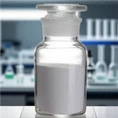

Is PVP K17 Odorless?
As a supplier of PVP K17, I've encountered numerous inquiries from clients regarding its odor characteristics. This blog post aims to delve into the topic of whether PVP K17 is odorless, providing scientific insights and practical information for those interested in this versatile polymer.

Understanding PVP K17
PVP K17, also known as Polyvinylpyrrolidone K17, is a member of the polyvinylpyrrolidone family. Polyvinylpyrrolidone is a water-soluble polymer that has found extensive applications in various industries, including pharmaceuticals, cosmetics, food, and electronics. PVP K17 specifically is characterized by its low molecular weight and unique physical and chemical properties.
The "K" value in PVP K17 refers to the viscosity grade of the polymer. A lower K value indicates a lower molecular weight and, consequently, different solubility and performance characteristics. PVP K17 is often used as a binder, stabilizer, solubilizer, and film-forming agent in different formulations.
The Concept of Odor in Chemical Substances
Before discussing whether PVP K17 is odorless, it's essential to understand the concept of odor in chemical substances. Odor is a sensory perception caused by the interaction of volatile molecules with olfactory receptors in the nose. Different chemical compounds have distinct odor profiles, which can range from pleasant to unpleasant, and from strong to faint.
The presence or absence of odor in a chemical substance depends on several factors, including its molecular structure, purity, and the presence of impurities or additives. Some chemicals have a naturally strong odor due to the presence of volatile organic compounds (VOCs), while others may be odorless or have a very faint odor that is barely detectable.
Is PVP K17 Odorless?
In general, high-quality PVP K17 is considered to be odorless or have a very faint, almost imperceptible odor. This is because PVP K17 is a relatively stable polymer with a low volatility. The monomers used in its synthesis, such as vinylpyrrolidone, are carefully purified to remove any impurities that could contribute to an odor.
However, it's important to note that the odor of PVP K17 can vary depending on several factors, including the manufacturing process, the quality of raw materials, and the storage conditions. For example, if the manufacturing process is not properly controlled, trace amounts of impurities or residual solvents may be present in the final product, which could result in a detectable odor.
Similarly, improper storage conditions, such as exposure to high temperatures, humidity, or light, can cause the polymer to degrade or react with other substances, leading to the formation of volatile compounds and the development of an odor. Therefore, it's crucial to store PVP K17 in a cool, dry, and well-ventilated area to maintain its quality and odorlessness.
Quality Control and Odor Assurance
As a PVP K17 supplier, we take quality control very seriously. We have implemented strict quality assurance measures throughout the manufacturing process to ensure that our PVP K17 products meet the highest standards of purity and odorlessness.
Our manufacturing facilities are equipped with state-of-the-art purification and filtration systems to remove any impurities or contaminants from the raw materials and the final product. We also conduct rigorous testing and analysis on each batch of PVP K17 to ensure that it meets our specifications for odor, purity, and performance.

In addition, we provide detailed product documentation and certificates of analysis to our customers, which include information on the odor, purity, and other quality parameters of our PVP K17 products. This allows our customers to make informed decisions and have confidence in the quality of our products.
Applications of Odorless PVP K17
The odorless nature of PVP K17 makes it an ideal choice for a wide range of applications where odor is a critical factor. Some of the common applications of odorless PVP K17 include:
- Pharmaceuticals: PVP K17 is widely used in the pharmaceutical industry as a binder, stabilizer, and solubilizer in tablets, capsules, and other dosage forms. Its odorless nature ensures that it does not interfere with the taste or smell of the medication, making it more acceptable to patients.
- Cosmetics: In the cosmetics industry, PVP K17 is used as a film-forming agent, thickener, and emulsifier in various products, such as hair sprays, gels, lotions, and creams. Its odorless nature makes it suitable for use in products that come into direct contact with the skin and hair, without causing any unpleasant odors.
- Food and Beverages: PVP K17 is also used in the food and beverage industry as a clarifying agent, stabilizer, and thickener. Its odorless nature ensures that it does not affect the taste or smell of the food or beverage, making it a safe and effective ingredient for use in these applications.
- Electronics: In the electronics industry, PVP K17 is used as a dispersant, binder, and coating agent in the production of electronic components, such as printed circuit boards, capacitors, and batteries. Its odorless nature makes it suitable for use in cleanroom environments, where odor can be a source of contamination.
Conclusion
In conclusion, high-quality PVP K17 is generally considered to be odorless or have a very faint, almost imperceptible odor. However, the odor of PVP K17 can vary depending on several factors, including the manufacturing process, the quality of raw materials, and the storage conditions.
As a PVP K17 supplier, we are committed to providing our customers with high-quality, odorless PVP K17 products that meet their specific needs and requirements. We have implemented strict quality control measures throughout the manufacturing process to ensure that our products are pure, stable, and odorless.
If you are interested in purchasing PVP K17 or have any questions about its odor or other properties, please feel free to contact us. We would be happy to provide you with more information and assist you in your procurement process.
References
- "Polyvinylpyrrolidone: Properties and Applications" by A. I. Isayev and R. E. Prud'homme
- "Handbook of Pharmaceutical Excipients" by Raymond C. Rowe, Paul J. Sheskey, and Marian E. Quinn
- "Cosmetic Science and Technology" by Jerry J. Leyden and Howard I. Maibach