

 русский
  Kreyòl Ayisyen
 Gaeilgenah Éireann
 Norsk
Norsk Srbija jezik (latinica)
 bosanski
 Português
 Français
 magyar
 বাংলা
বাংলা Polski


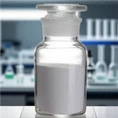

Hey there! As a PVP - I supplier, I've seen firsthand how important it is to store PVP - I properly. PVP - I, or Povidone - Iodine, is a widely used antiseptic and disinfectant, and getting its storage right can make a huge difference in its effectiveness and shelf - life. So, let's dive into how you can store PVP - I like a pro.
Understanding PVP - I
First off, let's quickly go over what PVP - I is. Povidone Iodine is a complex of polyvinylpyrrolidone (PVP) and iodine. This combination creates a stable and water - soluble form of iodine that releases iodine slowly, providing a long - lasting antimicrobial effect. It's used in various fields, from healthcare to water treatment.
Ideal Storage Conditions
Temperature
One of the most crucial factors in storing PVP - I is temperature. PVP - I should be stored in a cool environment. A temperature range of 20 - 25°C (68 - 77°F) is ideal. High temperatures can cause the iodine in the PVP - I complex to volatilize. When iodine evaporates, the concentration of the active ingredient in the solution decreases, which means the PVP - I will be less effective as an antiseptic. On the other hand, extremely low temperatures can lead to the precipitation of the complex, changing its physical properties and potentially rendering it unusable.
I remember a time when a customer stored their PVP - I in a warehouse without proper temperature control during a hot summer. When they opened the containers a few weeks later, they noticed that the solution had lost some of its color, which is a sign of iodine loss. This led to a significant reduction in the product's antimicrobial activity.


Light
Light is another enemy of PVP - I. Iodine is sensitive to light, especially ultraviolet (UV) light. Exposure to light can cause the iodine in the PVP - I complex to break down. That's why PVP - I is usually stored in opaque containers. If you're storing PVP - I in a place where it's exposed to sunlight or strong artificial light, consider covering the containers with a dark cloth or storing them in a cabinet.
I once had a client who stored their 10% Povidone - iodine bottles on a sunny windowsill. After a short period, they found that the solution had started to degrade, and it was no longer as effective in killing bacteria. So, keep PVP - I away from direct light to maintain its quality.
Humidity
Humidity can also affect PVP - I. High humidity can cause the containers to corrode if they're made of metal, and it can also lead to the absorption of moisture by the PVP - I powder or solution. This can change the concentration of the solution and may promote the growth of mold or bacteria in the product. It's best to store PVP - I in a dry place with a relative humidity of around 40 - 60%.
Storage Containers
The choice of storage container is vital. PVP - I should be stored in containers that are made of materials that are resistant to iodine. Glass and certain types of plastic are good choices. Glass containers are inert and won't react with the PVP - I. They also provide good protection against light if they're amber - colored.
Plastic containers can also be used, but make sure they're made of a high - quality plastic that won't leach chemicals into the PVP - I. Some plastics may react with iodine over time, so it's important to choose the right type. For example, Polyvinylpyrrolidone K115 - based PVP - I products should be stored in containers that are compatible with the specific formulation.
Handling During Storage
When handling PVP - I during storage, make sure to keep the containers tightly sealed. Every time you open a container, there's a risk of introducing air, moisture, or contaminants. If the container is left open for too long, the iodine may start to evaporate, and the solution may become contaminated.
Also, be careful not to spill PVP - I during handling. If a spill occurs, clean it up immediately using appropriate safety measures. PVP - I can stain surfaces, and it's important to prevent it from coming into contact with sensitive materials.
Monitoring the Stored PVP - I
Regularly monitor the stored PVP - I for any signs of degradation. Check the color, odor, and consistency of the solution. If you notice any changes, such as a significant change in color, a strange odor, or the formation of precipitates, it may be a sign that the PVP - I has started to degrade.
You can also perform quality control tests periodically to ensure that the PVP - I still meets the required specifications. This can include testing for iodine concentration and antimicrobial activity.
Shelf - Life
The shelf - life of PVP - I depends on how well it's stored. Under proper storage conditions, PVP - I can have a shelf - life of several years. However, if it's stored in unfavorable conditions, the shelf - life can be significantly reduced.
It's important to keep track of the manufacturing date and expiration date of the PVP - I. Use the oldest stock first to ensure that you're using the product before it expires.
Conclusion
Storing PVP - I properly is essential to maintain its quality and effectiveness. By controlling the temperature, protecting it from light, managing humidity, choosing the right storage containers, handling it carefully, monitoring it regularly, and respecting its shelf - life, you can ensure that your PVP - I remains a reliable antiseptic and disinfectant.
If you're interested in purchasing high - quality PVP - I products, I'd love to have a chat with you. Whether you're in the healthcare industry, water treatment sector, or any other field that requires PVP - I, I can provide you with the best solutions. Reach out to start a conversation about your PVP - I needs.
References
- Pharmaceutical Manufacturing Handbook: Production and Processes
- Journal of Antimicrobial Chemotherapy articles on Povidone - Iodine stability