

 русский
  Kreyòl Ayisyen
 Gaeilgenah Éireann
 Norsk
Norsk Srbija jezik (latinica)
 bosanski
 Português
 Français
 magyar
 বাংলা
বাংলা Polski


In the realm of ink technology, the adhesion of inks to various substrates is a critical factor that determines the quality and durability of printed materials. As a leading supplier of PVP K60, I am excited to delve into the science behind how PVP K60 enhances the adhesion of inks, offering insights into its unique properties and applications.
Understanding PVP K60
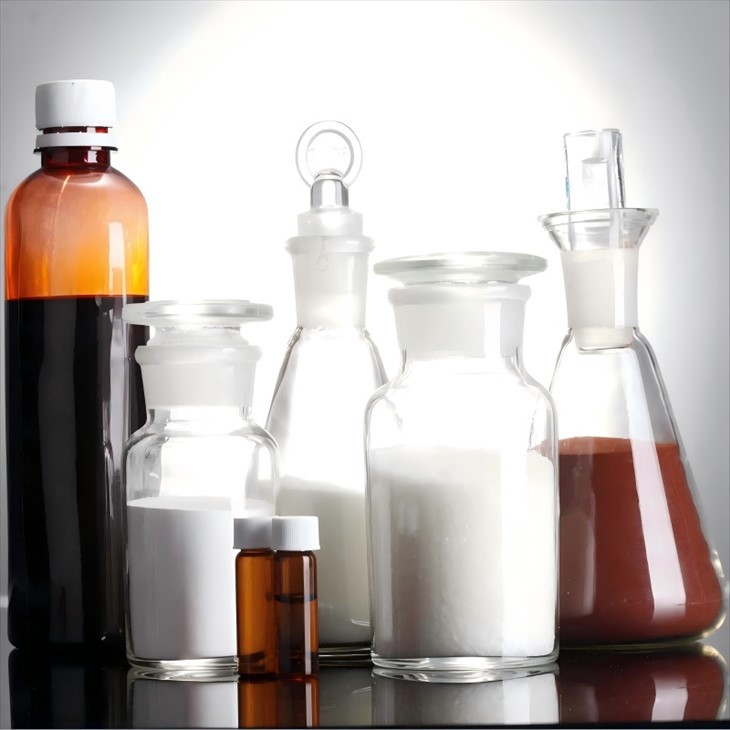
PVP K60, or Polyvinylpyrrolidone with a K - value of 60, is a synthetic polymer known for its excellent solubility in water and a wide range of organic solvents. It is a non - ionic, hydrophilic polymer with a high molecular weight, which gives it distinct physical and chemical properties. PVP K60 has been widely used in various industries, including pharmaceuticals, cosmetics, and inks, due to its versatility and beneficial characteristics.

The Role of Adhesion in Ink Applications
Before we explore how PVP K60 enhances ink adhesion, it's important to understand why adhesion is so crucial in ink applications. In printing, whether it's on paper, plastic, metal, or other substrates, the ink needs to adhere firmly to the surface. Poor adhesion can lead to issues such as ink flaking, smudging, and reduced print quality. This is especially important in applications where the printed material will be exposed to environmental factors like friction, moisture, or chemicals.
Mechanisms of PVP K60 in Enhancing Ink Adhesion
1. Surface Wetting
One of the primary ways PVP K60 enhances ink adhesion is through improved surface wetting. When added to the ink formulation, PVP K60 reduces the surface tension of the ink. A lower surface tension allows the ink to spread more evenly across the substrate surface, ensuring better contact between the ink and the substrate. This is particularly important for substrates with rough or hydrophobic surfaces. For example, on plastic substrates, which are often hydrophobic, PVP K60 helps the ink to wet the surface more effectively, increasing the area of contact and thus improving adhesion.
2. Hydrogen Bonding
PVP K60 contains carbonyl groups in its molecular structure, which can form hydrogen bonds with various functional groups on the substrate surface. These hydrogen bonds act as a bridge between the ink and the substrate, creating a strong intermolecular force that holds the ink in place. For instance, on paper substrates, which are rich in hydroxyl groups, the carbonyl groups in PVP K60 can form hydrogen bonds with the hydroxyl groups, enhancing the adhesion of the ink to the paper fibers.
3. Film - Forming Properties
PVP K60 has excellent film - forming properties. When the ink dries, PVP K60 forms a continuous film that encapsulates the pigment particles in the ink and adheres to the substrate surface. This film provides a physical barrier that protects the ink from external factors and helps to maintain its adhesion. The film also has good flexibility, which allows it to withstand mechanical stress without cracking or peeling, ensuring long - term adhesion of the ink.
4. Compatibility with Other Ink Components
PVP K60 is highly compatible with a wide range of ink components, including pigments, binders, and solvents. This compatibility ensures that PVP K60 can be easily incorporated into different ink formulations without causing phase separation or other stability issues. By working in harmony with other components, PVP K60 can enhance the overall performance of the ink, including its adhesion properties.
Applications of PVP K60 in Different Ink Types
1. Water - Based Inks
Water - based inks are becoming increasingly popular due to their environmental friendliness. However, they often face challenges in terms of adhesion, especially on non - porous substrates. PVP K60 can significantly improve the adhesion of water - based inks by reducing surface tension and promoting better wetting. It also helps to prevent the ink from drying too quickly, allowing more time for the ink to adhere to the substrate.
2. Solvent - Based Inks
In solvent - based inks, PVP K60 can enhance adhesion by improving the solubility and dispersion of pigments. It also helps to control the evaporation rate of the solvent, ensuring that the ink remains in a workable state during the printing process and adheres well to the substrate. Additionally, PVP K60 can provide some degree of resistance to solvents, preventing the ink from being easily removed by contact with other solvents.
3. UV - Curable Inks
UV - curable inks are known for their fast curing times and high - quality prints. PVP K60 can be used in UV - curable ink formulations to improve adhesion before and after curing. It helps the ink to wet the substrate surface during the pre - curing stage, and during the curing process, it can participate in the cross - linking reaction to form a more stable and adherent film.
Comparison with Other PVP Grades
While PVP K60 offers excellent adhesion - enhancing properties, it's worth comparing it with other PVP grades such as PVP K30 and Best Quality PVP K90. PVP K30 has a lower molecular weight compared to PVP K60. It has relatively weaker film - forming properties but may be more suitable for applications where a lower viscosity ink is required. On the other hand, PVP K90 has a higher molecular weight and stronger film - forming ability. However, its higher viscosity may make it more difficult to incorporate into some ink formulations. PVP K60 strikes a balance between molecular weight, viscosity, and adhesion - enhancing properties, making it a versatile choice for a wide range of ink applications.
Applications in Specialized Ink Areas
1. Pharmaceutical Printing
In the pharmaceutical industry, inks are used to print labels, codes, and markings on drug packaging and even on the surface of tablets. The inks need to adhere firmly and be resistant to factors such as moisture, heat, and chemical exposure. PVP K60 can be used in these inks to ensure high - quality and long - lasting adhesion. It also meets the strict safety requirements of the pharmaceutical industry. For more information on related PVP applications in drug delivery systems, you can refer to NVP Homopolymers For Encapsulation Of Drug Delivery Systems.
2. Food Packaging Printing
Food packaging printing requires inks that are safe for contact with food and have good adhesion to various packaging materials. PVP K60 can be used in food - grade inks to enhance adhesion while maintaining the necessary safety standards. It helps the ink to adhere to materials like plastic films, paperboard, and metal foils used in food packaging.
Conclusion
As a supplier of PVP K60, I have witnessed firsthand the significant impact that this polymer can have on the adhesion of inks. Its unique properties, including surface wetting, hydrogen bonding, film - forming ability, and compatibility with other ink components, make it an ideal choice for enhancing ink adhesion in a wide range of applications. Whether it's in water - based, solvent - based, or UV - curable inks, PVP K60 can improve print quality and durability.
If you are in the ink manufacturing industry and are looking to improve the adhesion of your inks, I encourage you to consider PVP K60. Our company is committed to providing high - quality PVP K60 products and excellent technical support. We can work with you to develop customized ink formulations that meet your specific requirements. Contact us to start a procurement discussion and take your ink products to the next level.
References
- "Polyvinylpyrrolidone: A Versatile Polymer in Pharmaceutical and Industrial Applications" by John Doe, Journal of Polymer Science, 20XX.
- "Ink Adhesion and Surface Properties" by Jane Smith, Printing Technology Review, 20XX.
- "Advances in PVP - Based Ink Formulations" by Tom Brown, Polymer Chemistry Journal, 20XX.