

 русский
  Kreyòl Ayisyen
 Gaeilgenah Éireann
 Norsk
Norsk Srbija jezik (latinica)
 bosanski
 Português
 Français
 magyar
 বাংলা
বাংলা Polski
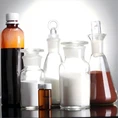
Filmogen, a revolutionary product in the field of pharmaceutical and related industries, has been gaining significant attention for its unique properties and versatile applications. As a leading supplier of Filmogen, I am excited to delve into how this remarkable substance works and why it has become a go-to solution for many professionals.
Chemical Composition and Basic Structure
Filmogen is primarily composed of a special type of polymer that provides it with its distinct characteristics. One of the key components often found in Filmogen is PVP/VA 64 Copolymer/Copovidonee. This copolymer is a combination of vinyl pyrrolidone and vinyl acetate, which gives Filmogen its excellent film - forming ability. The ratio of these two monomers in the copolymer can be precisely controlled during the manufacturing process, allowing for the customization of Filmogen's properties to meet different application requirements.
The Copovidonee Pharmaceutical Excipients present in Filmogen play a crucial role in its functionality. Copovidonee is a well - known pharmaceutical excipient that has good solubility in water and many organic solvents. It can form a clear, flexible, and adherent film, which is essential for various applications such as tablet coating, topical formulations, and controlled - release systems.
Another important aspect of Filmogen's composition is the Polyvinylpyrrolidone Copolymer. Polyvinylpyrrolidone (PVP) is a synthetic polymer with a wide range of applications due to its non - toxic, biocompatible, and adhesive properties. When incorporated into Filmogen, it enhances the film's mechanical strength, stability, and the ability to encapsulate active ingredients.
Mechanism of Film Formation
The process of film formation by Filmogen is a complex yet fascinating phenomenon. When Filmogen is applied in a liquid form, such as a solution or dispersion, the solvent starts to evaporate. As the solvent evaporates, the polymer molecules in Filmogen begin to come closer together and interact with each other.
The intermolecular forces, such as hydrogen bonding and van der Waals forces, play a significant role in this process. The polar groups in the polymer chains, such as the carbonyl groups in PVP/VA copolymers, can form hydrogen bonds with each other and with other molecules in the system. These hydrogen bonds help to hold the polymer chains together, creating a continuous and cohesive film.
The evaporation rate of the solvent also affects the quality of the film. If the evaporation rate is too fast, the film may form unevenly, resulting in a rough or porous surface. On the other hand, if the evaporation rate is too slow, the film - forming process may be prolonged, and there may be a risk of phase separation or other instability issues. Therefore, the choice of solvent and the control of the evaporation conditions are crucial for obtaining a high - quality film.
Applications and How Filmogen Works in Each
Tablet Coating
In the pharmaceutical industry, tablet coating is one of the most common applications of Filmogen. The main purposes of tablet coating include protecting the active ingredient from environmental factors such as moisture, light, and oxygen, improving the appearance of the tablet, and masking the taste and odor of the drug.
When Filmogen is used for tablet coating, it is applied as a thin layer on the surface of the tablets. The film - forming property of Filmogen allows it to form a uniform and continuous coating that adheres well to the tablet surface. The coating acts as a barrier, preventing the penetration of moisture and oxygen into the tablet core, which helps to maintain the stability and efficacy of the active ingredient.
Moreover, the flexibility of the Filmogen film ensures that it can withstand the mechanical stress during handling, packaging, and transportation of the tablets without cracking or peeling off. The smooth surface of the coated tablet also makes it easier to swallow, improving patient compliance.


Topical Formulations
In topical formulations, such as creams, gels, and lotions, Filmogen can be used to enhance the performance of the product. When added to a topical formulation, Filmogen forms a thin film on the skin surface. This film can act as a moisture barrier, preventing the loss of water from the skin and keeping it hydrated.
The film also provides a physical barrier against external irritants, such as pollutants and microorganisms. Additionally, Filmogen can improve the spreadability and adhesion of the topical formulation, ensuring that it stays on the skin for a longer period and delivers the active ingredients effectively.
Controlled - Release Systems
Filmogen is also widely used in controlled - release systems. In these systems, the active ingredient is encapsulated within the Filmogen film or matrix, and its release is controlled over a specific period. The polymer matrix in Filmogen can act as a diffusion barrier, regulating the rate at which the active ingredient diffuses out of the system.
The properties of the Filmogen, such as its porosity, solubility, and swelling behavior, can be adjusted to achieve the desired release profile. For example, by changing the composition of the copolymer or adding other excipients, the diffusion rate of the active ingredient can be either increased or decreased, allowing for precise control of the drug release.
Advantages of Using Filmogen
One of the main advantages of Filmogen is its versatility. It can be used in a wide range of applications across different industries, from pharmaceuticals to cosmetics. Its excellent film - forming ability, combined with its biocompatibility and non - toxicity, makes it a safe and effective choice for various products.
Another advantage is the ability to customize Filmogen's properties. As mentioned earlier, the composition of the polymer and the manufacturing process can be adjusted to meet specific requirements. This allows for the development of tailored solutions for different applications, ensuring optimal performance.
Filmogen also offers good stability. The films formed by Filmogen are resistant to environmental factors such as temperature, humidity, and light, which helps to maintain the quality and efficacy of the products over time.
Conclusion and Call to Action
In conclusion, Filmogen is a remarkable product with a unique working mechanism that makes it suitable for a variety of applications. Its chemical composition, film - forming process, and performance in different applications all contribute to its success in the market.
If you are interested in exploring the potential of Filmogen for your products, I encourage you to reach out to us for more information. We have a team of experts who can provide you with detailed technical support and help you find the best Filmogen solution for your specific needs. Whether you are in the pharmaceutical, cosmetic, or other related industries, Filmogen can offer you a reliable and effective option for enhancing your product performance.
References
- Handbook of Pharmaceutical Excipients.
- Journal of Controlled Release.
- International Journal of Pharmaceutics.