

 русский
  Kreyòl Ayisyen
 Gaeilgenah Éireann
 Norsk
Norsk Srbija jezik (latinica)
 bosanski
 Português
 Français
 magyar
 বাংলা
বাংলা Polski


Hey there! As a Betadine supplier, I often get asked a bunch of questions about this product. One of the most common ones is, "Does Betadine cause allergic reactions?" Well, let's dive right into this topic and break it down for you.

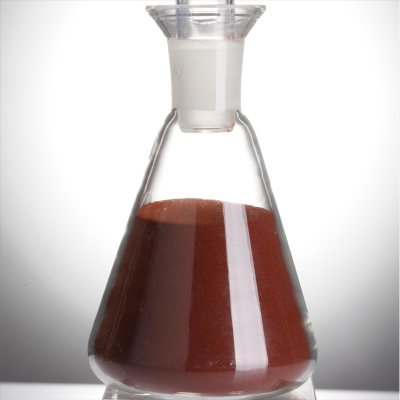
First off, let's talk a bit about what Betadine actually is. Betadine is a well - known antiseptic solution that contains Poly Vinylpyrrolidone Iodine Complex. This complex is also identified by its CAS Number 25655 - 41 - 8 or CAS No 25655 - 41 - 8. It's widely used in hospitals, clinics, and even at home for wound cleaning and preventing infections.
Now, onto the big question: can it cause allergic reactions? The short answer is yes, but it's not as common as you might think. Allergic reactions to Betadine are generally rare, but they can happen.
Types of Allergic Reactions
There are two main types of allergic reactions that can occur with Betadine use: immediate and delayed.
Immediate Reactions
Immediate reactions usually happen within minutes to a few hours after using Betadine. Symptoms can include itching, redness, swelling, and hives at the application site. In more severe cases, people might experience difficulty breathing, wheezing, and a drop in blood pressure. These severe reactions are called anaphylaxis, and they're extremely rare but can be life - threatening.
Delayed Reactions
Delayed reactions, on the other hand, take longer to show up. They can occur anywhere from a few days to a couple of weeks after using Betadine. Symptoms of delayed reactions often include a rash that looks like eczema, with red, itchy, and scaly patches.
Who's at Risk?
Some people are more likely to have an allergic reaction to Betadine than others. Here are a few groups that might be at a higher risk:
- People with iodine allergies: If you're allergic to iodine, there's a good chance you'll have a reaction to Betadine. Iodine is a key component of the Poly Vinylpyrrolidone Iodine Complex in Betadine, so an existing iodine allergy can trigger a response.
- Those with sensitive skin: People with sensitive skin are more prone to skin reactions in general. Using Betadine on sensitive skin might cause irritation or an allergic - like reaction.
- Individuals with a history of allergic reactions: If you've had allergic reactions to other antiseptics or medications in the past, you might be more likely to react to Betadine.
How to Tell if You're Allergic
If you suspect you're having an allergic reaction to Betadine, here's what you should look for:
- Skin changes: Check for any redness, itching, swelling, or rashes at the site where Betadine was applied. These are common signs of an allergic reaction.
- Systemic symptoms: Pay attention to any symptoms that affect your whole body, like difficulty breathing, dizziness, or a rapid heartbeat. These are more serious and require immediate medical attention.
What to Do if You Have an Allergic Reaction
If you think you're having an allergic reaction to Betadine, here are the steps you should take:
- Stop using Betadine immediately: As soon as you notice any signs of an allergic reaction, wash the area where Betadine was applied with plenty of water to remove any remaining product.
- Seek medical advice: For mild reactions, like a small rash or itching, you can call your doctor or a pharmacist for advice. They might recommend an over - the - counter antihistamine to relieve the symptoms. For more severe reactions, such as difficulty breathing or anaphylaxis, call emergency services right away.
Minimizing the Risk of Allergic Reactions
Even though allergic reactions to Betadine are rare, there are some things you can do to minimize the risk:
- Do a patch test: Before using Betadine on a large area of your body, do a patch test. Apply a small amount of Betadine to a small area of skin, like the inside of your wrist. Wait 24 - 48 hours and check for any signs of a reaction. If there's no reaction, it's generally safe to use Betadine on a larger area.
- Follow the instructions: Make sure you're using Betadine as directed. Don't use more than the recommended amount, and don't leave it on your skin for longer than advised.
The Benefits of Betadine
Despite the potential for allergic reactions, Betadine has a lot of benefits. It's a very effective antiseptic that can kill a wide range of bacteria, viruses, and fungi. This makes it great for preventing and treating infections in wounds, burns, and surgical sites. It's also easy to use and widely available, which is why it's so popular in the medical field.
In Conclusion
So, does Betadine cause allergic reactions? Yes, it can, but it's not very common. If you're in one of the high - risk groups or have concerns about using Betadine, it's always a good idea to talk to your doctor before using it.
As a Betadine supplier, I want to make sure you have all the information you need to use our product safely and effectively. If you're interested in purchasing Betadine for your medical facility, home use, or any other purpose, feel free to reach out to discuss your procurement needs. We're here to help you get the best quality Betadine at a great price.
References
- American Academy of Dermatology. "Allergic Reactions to Topical Medications."
- Mayo Clinic. "Iodine Allergies and Betadine Use."
- World Health Organization. "Antiseptic Use and Allergic Reactions."