

 русский
  Kreyòl Ayisyen
 Gaeilgenah Éireann
 Norsk
Norsk Srbija jezik (latinica)
 bosanski
 Português
 Français
 magyar
 বাংলা
বাংলা Polski



Can pyodine be used on diabetic foot ulcers? That's a question I get asked a lot as a pyodine supplier. In this blog post, I'm gonna break down the science behind using pyodine on diabetic foot ulcers, talk about its benefits and drawbacks, and give you the lowdown on whether it's a good option for treating these pesky sores.
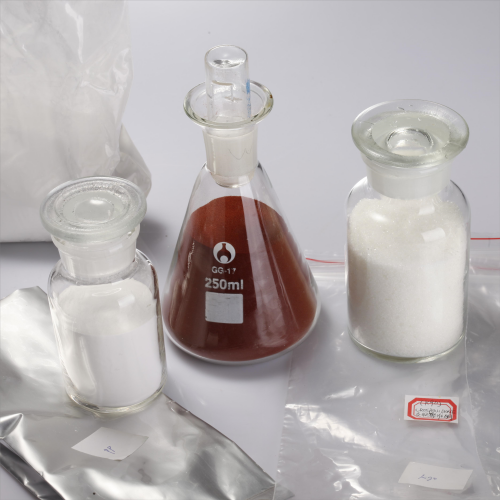
First off, let's talk about what pyodine is. Pyodine, also known as povidone-iodine, is a well - known antiseptic. It's made up of iodine complexed with povidone, a water - soluble polymer. This combination creates a stable and effective antiseptic that can kill a wide range of bacteria, fungi, and viruses. You can find it in different forms, like High Quality Povidone Iodine Powder, PVP Iodine Pharmaceutical Raw, and Aqueous Povidone Iodine.
Diabetic foot ulcers are a major complication for people with diabetes. High blood sugar levels can damage nerves in the feet (neuropathy), which means patients might not feel cuts, blisters, or sores. Also, poor blood circulation in the feet makes it harder for wounds to heal. These ulcers are not only painful but can also lead to serious infections, and in the worst - case scenario, amputation.
So, can pyodine be used on diabetic foot ulcers? The short answer is yes, it can. Pyodine has some real advantages when it comes to treating these ulcers.

One of the biggest benefits is its broad - spectrum antimicrobial activity. Diabetic foot ulcers are often infected with multiple types of bacteria. Pyodine can go to work on a wide variety of pathogens, including Staphylococcus aureus, Escherichia coli, and Pseudomonas aeruginosa. By killing these bacteria, it helps prevent the infection from getting worse and can promote the healing process.
Another plus is that pyodine is relatively easy to use. It can be applied topically in different forms, like a solution or an ointment. This makes it a convenient option for both patients and healthcare providers. You don't need any special equipment to apply it, and it's generally well - tolerated by most people.
Pyodine also has a low risk of developing bacterial resistance. Unlike some antibiotics, bacteria haven't really figured out how to get around the antiseptic power of pyodine. This means it can keep working effectively over time, which is super important when treating chronic wounds like diabetic foot ulcers.
However, it's not all sunshine and rainbows. There are also some drawbacks to using pyodine on diabetic foot ulcers.
One issue is that pyodine can be irritating to the skin. In some people, especially those with sensitive skin, it can cause redness, itching, or a burning sensation. This can be a real problem, as diabetic patients already have delicate skin, and any additional irritation can slow down the healing process.
Another concern is that pyodine might have some negative effects on the cells involved in wound healing. Some studies suggest that high concentrations of pyodine can be toxic to fibroblasts, which are the cells that help build new tissue in the wound. So, if you're using pyodine, you need to be careful about the concentration and the frequency of application.
There's also the question of iodine absorption. When pyodine is applied to large or open wounds, some of the iodine can be absorbed into the bloodstream. In patients with thyroid problems, this can potentially disrupt thyroid function. So, people with thyroid issues need to be closely monitored if they're using pyodine.
So, how do you decide if pyodine is the right choice for treating diabetic foot ulcers? Well, it really depends on the individual case.
If the ulcer is small, not too deep, and there's a risk of infection, pyodine can be a good option. It can help keep the wound clean and prevent the spread of bacteria. But if the ulcer is large, deep, or the patient has very sensitive skin, you might want to think twice. In these cases, it's best to consult a healthcare provider who can assess the situation and recommend the most appropriate treatment.
When using pyodine on diabetic foot ulcers, here are some tips to keep in mind. First, always follow the instructions on the product label. Make sure you're using the right concentration and applying it at the right frequency. Second, clean the wound thoroughly before applying pyodine. This helps remove any debris or dead tissue that could interfere with the antiseptic's effectiveness. Third, if you notice any signs of skin irritation or an allergic reaction, stop using pyodine right away and talk to your doctor.
In conclusion, pyodine can be a useful tool in the treatment of diabetic foot ulcers, but it's not a one - size - fits - all solution. It has its benefits in terms of antimicrobial activity, ease of use, and low resistance risk, but it also has some drawbacks, like skin irritation and potential effects on wound - healing cells. If you're a patient dealing with diabetic foot ulcers or a healthcare provider looking for treatment options, it's important to weigh the pros and cons and make an informed decision.
If you're interested in our high - quality pyodine products, whether it's High Quality Povidone Iodine Powder, PVP Iodine Pharmaceutical Raw, or Aqueous Povidone Iodine, feel free to reach out for more information. We're here to help you find the best solution for your needs. If you have any questions or want to discuss a potential purchase, don't hesitate to get in touch. We can have a detailed discussion about how our products can fit into your treatment plans.
References
- "Wound Management: A Practical Guide" by some well - known authors in the field.
- Studies on the antimicrobial activity of povidone - iodine in diabetic foot ulcers from medical research journals.
- Research papers on the effects of povidone - iodine on wound - healing cells and skin irritation.