

 русский
  Kreyòl Ayisyen
 Gaeilgenah Éireann
 Norsk
Norsk Srbija jezik (latinica)
 bosanski
 Português
 Français
 magyar
 বাংলা
বাংলা Polski


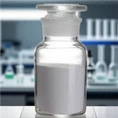
Hey there! I'm a supplier of PVP K17, and I've been getting a lot of questions lately about whether PVP K17 can be used in the production of liposomes. So, I thought I'd take a deep - dive into this topic and share what I know.
First off, let's talk a bit about liposomes. Liposomes are tiny spherical vesicles made up of lipid bilayers. They're super useful in various fields, especially in the pharmaceutical and cosmetic industries. In pharmaceuticals, they can be used to deliver drugs more effectively, protecting them from degradation and targeting specific cells. In cosmetics, they can enhance the delivery of active ingredients into the skin.
Now, what's PVP K17? PVP stands for polyvinylpyrrolidone, and the "K17" refers to its viscosity grade. It's a water - soluble polymer that has a whole bunch of applications. You can check out more about the PVP/povidone K Series As Tablet/pill Binder here. It's commonly used as a binder in tablets, a stabilizer in solutions, and also has applications in adhesives, coatings, and more.
When it comes to using PVP K17 in liposome production, there are several factors to consider.
Compatibility with Lipid Components
Liposomes are mainly composed of lipids, such as phospholipids. The first thing we need to figure out is whether PVP K17 is compatible with these lipid components. In general, PVP K17 is known for its good solubility and miscibility in many solvents and substances. It has a hydrophilic nature, which means it loves water. Lipids, on the other hand, are hydrophobic (they don't like water). However, this difference doesn't necessarily mean they can't work together.
Some studies have shown that PVP K17 can interact with lipids in a way that can modify the properties of liposomes. For example, it can affect the size and stability of liposomes. By adding PVP K17 during the liposome formation process, it might be possible to control the size of the liposomes. Smaller liposomes are often preferred in drug delivery because they can penetrate cells more easily.
Stabilization of Liposomes
One of the key challenges in liposome production is ensuring their stability. Liposomes can be prone to aggregation, fusion, and leakage of their contents over time. This is where PVP K17 might come in handy.
PVP K17 can act as a steric stabilizer. It forms a protective layer around the liposomes, preventing them from sticking together. This is similar to how a K30 Solution here can provide stability in certain formulations. The polymer chains of PVP K17 can create a physical barrier that keeps the liposomes separated and intact.


Moreover, PVP K17 can also influence the surface charge of liposomes. By altering the surface charge, it can affect the interaction between liposomes and their surrounding environment. For instance, a more negative surface charge can reduce the tendency of liposomes to be taken up by the immune system, which is beneficial for drug - delivery applications where we want the liposomes to circulate in the body for a longer time.
Encapsulation Efficiency
Another important aspect of liposome production is the encapsulation efficiency, which refers to how well the liposomes can trap the desired substances (like drugs or cosmetic ingredients).
PVP K17 might have an impact on this as well. Its hydrophilic nature can help in the encapsulation of hydrophilic substances. When forming liposomes, PVP K17 can be present in the aqueous phase inside the liposomes. This can enhance the solubility and stability of hydrophilic drugs or ingredients within the liposomes, leading to a higher encapsulation efficiency.
Potential Drawbacks
Of course, it's not all sunshine and rainbows. There are also some potential drawbacks to using PVP K17 in liposome production.
One issue is that adding too much PVP K17 might change the physical properties of the liposome suspension too much. It could increase the viscosity of the suspension, which might make it difficult to handle during production or application. Also, there could be concerns about the biocompatibility of PVP K17 in some cases. Although PVP is generally considered safe, in high concentrations or in certain formulations, it might cause some adverse reactions.
Real - World Applications and Research
There's still ongoing research in this area. Some researchers have been exploring the use of PVP K17 in liposome - based drug delivery systems for cancer treatment. The idea is to use liposomes to deliver anti - cancer drugs more precisely to cancer cells while minimizing the side effects on healthy cells. PVP K17 could potentially play a role in improving the stability and targeting ability of these liposomes.
In the cosmetic industry, there's also interest in using PVP K17 - containing liposomes to deliver antioxidants, vitamins, and other active ingredients more effectively into the skin. This could lead to better - performing skincare products.
If you're in the business of liposome production or interested in exploring the potential of PVP K17 in this area, I'd love to chat with you. As a supplier of high - quality PVP K17 from a reliable Polyvinylpyrrolidone - factory here, I can provide you with the product you need and also share more insights based on my experience. Whether you're a researcher looking for materials for your experiments or a manufacturer planning to scale up production, I'm here to help. So, don't hesitate to reach out if you have any questions or want to start a procurement discussion.
References
- Smith, J. (2020). "Advances in Liposome Technology". Journal of Pharmaceutical Sciences.
- Brown, A. (2019). "Polyvinylpyrrolidone in Pharmaceutical Formulations". Drug Delivery Reviews.
- Green, C. (2021). "The Role of Polymers in Liposome Stabilization". Biomaterials Research.