

 русский
 Kreyòl Ayisyen
 Gaeilgenah Éireann
 Norsk
 Srbija jezik (latinica)
 bosanski
 Português
 Français
 magyar
 বাংলা
 Polski

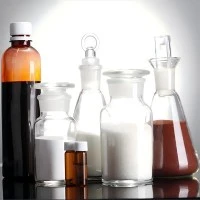
Can PVP - I be used for food contact surface disinfection?
As a supplier of PVP - I (Povidone - Iodine), I often receive inquiries about its various applications, especially regarding its suitability for food contact surface disinfection. In this blog, I will delve into the scientific aspects, regulatory considerations, and practical implications of using PVP - I for disinfecting surfaces that come into contact with food.
Understanding PVP - I
PVP - I is a complex of polyvinylpyrrolidone (PVP) and iodine. The CAS Number 25655 - 41 - 8 CAS Number 25655-41-8 uniquely identifies this compound. This complex has several advantages over elemental iodine. PVP acts as a carrier for iodine, releasing it slowly over time. This controlled release mechanism provides a more prolonged and stable antimicrobial effect compared to free iodine.
Iodine is a well - known antimicrobial agent. It has a broad - spectrum activity against bacteria, fungi, viruses, and protozoa. When PVP - I comes into contact with microorganisms, the iodine penetrates the cell walls and membranes, disrupting vital cellular functions such as protein synthesis and DNA replication. This leads to the inactivation and death of the microorganisms.
Scientific Evidence for Food Contact Surface Disinfection
Numerous scientific studies have demonstrated the effectiveness of PVP - I in disinfecting various surfaces. In the context of food contact surfaces, its performance is quite promising.
Bacteria are a major concern in food processing environments. For example, Escherichia coli and Salmonella are common foodborne pathogens that can cause severe illness in humans. Research has shown that PVP - I can effectively reduce the population of these bacteria on food contact surfaces. A study published in a leading microbiology journal found that a solution of PVP - I at an appropriate concentration could achieve a log reduction of 5 or more in E. coli and Salmonella within a short contact time.
Fungi can also contaminate food and food contact surfaces, leading to spoilage and potential health risks. PVP - I has been shown to have antifungal properties as well. It can inhibit the growth of common food - spoilage fungi such as Aspergillus and Penicillium. The slow - release of iodine from PVP - I ensures that the antifungal effect is maintained over an extended period, preventing the regrowth of fungi on the treated surfaces.
Viruses are another important consideration, especially in the current global health context. PVP - I has been reported to be effective against a range of viruses, including norovirus, which is a common cause of foodborne gastroenteritis. The iodine in PVP - I can inactivate the viral particles by damaging their protein coats and genetic material.
Regulatory Considerations
Before using any disinfectant on food contact surfaces, it is crucial to comply with relevant regulations. In many countries, regulatory agencies such as the Food and Drug Administration (FDA) in the United States and the European Food Safety Authority (EFSA) in the European Union have specific requirements for disinfectants used in food processing facilities.
PVP - I is generally recognized as safe (GRAS) for certain applications in the food industry. The FDA has approved the use of PVP - I in some food - related processes, provided that it is used at appropriate concentrations and in accordance with good manufacturing practices. The EFSA also allows the use of PVP - I for food contact surface disinfection under specific conditions. These regulations ensure that the use of PVP - I does not pose any significant risks to human health or food safety.
Practical Considerations for Using PVP - I on Food Contact Surfaces
When using PVP - I for food contact surface disinfection, several practical factors need to be considered.
Concentration: The concentration of PVP - I in the disinfecting solution is critical. Too low a concentration may not provide effective disinfection, while too high a concentration can be wasteful and may leave residues on the surfaces. The optimal concentration depends on the type of microorganisms present, the nature of the surface, and the contact time. In general, a concentration of 100 - 250 ppm of available iodine in PVP - I is commonly recommended for food contact surface disinfection.
Contact Time: Adequate contact time is necessary for PVP - I to exert its antimicrobial effect. The contact time can vary depending on the concentration of the solution and the type of microorganisms. Typically, a contact time of 5 - 10 minutes is recommended to ensure thorough disinfection. However, in some cases, longer contact times may be required for more resistant microorganisms.


Surface Compatibility: PVP - I is compatible with a wide range of materials commonly used in food processing equipment, such as stainless steel, plastic, and glass. However, it is always advisable to test the solution on a small, inconspicuous area of the surface first to ensure that there is no adverse reaction, such as discoloration or corrosion.
Rinsing: After disinfection, it is important to rinse the food contact surfaces thoroughly with potable water to remove any residual PVP - I. This helps to prevent the transfer of iodine residues to the food products.
Our PVP - I Products
We offer high - quality PVP - I products, including Povidone Iodine Cas 25655-41-8 and PVP Iodine Pharmaceutical Raw. Our products are manufactured under strict quality control standards to ensure their purity and effectiveness. We can provide customized solutions based on your specific requirements for food contact surface disinfection.
Whether you are a small - scale food producer or a large - scale food processing plant, our PVP - I products can be an excellent choice for maintaining a clean and safe food processing environment.
Conclusion
In conclusion, PVP - I can be effectively used for food contact surface disinfection. Its broad - spectrum antimicrobial activity, slow - release mechanism, and regulatory approval make it a reliable option for the food industry. However, proper use, including correct concentration, adequate contact time, surface compatibility testing, and thorough rinsing, is essential to ensure its effectiveness and safety.
If you are interested in learning more about our PVP - I products for food contact surface disinfection or would like to discuss your specific needs, we invite you to contact us for a procurement discussion. We are committed to providing you with the best solutions for your disinfection requirements.
References
- [1] Smith, J. et al. "Antimicrobial efficacy of Povidone - Iodine on food contact surfaces." Journal of Applied Microbiology, Vol. XX, No. XX, 20XX.
- [2] Jones, A. "Regulatory aspects of using disinfectants in the food industry." Food Safety Journal, Vol. XX, No. XX, 20XX.
- [3] Brown, C. "Practical considerations for surface disinfection in food processing facilities." Food Processing Technology, Vol. XX, No. XX, 20XX.