

 русский
  Kreyòl Ayisyen
 Gaeilgenah Éireann
 Norsk
Norsk Srbija jezik (latinica)
 bosanski
 Português
 Français
 magyar
 বাংলা
বাংলা Polski

As a supplier of Kollidon, a well - known brand of polyvinyl pyrrolidone (PVP), I often get asked if it can be used in the textile industry. In this blog post, I'll share my insights on this topic and explain how Kollidon might just be the game - changer your textile business has been waiting for.
What is Kollidon?
First off, let's talk a bit about what Kollidon actually is. Kollidon is a type of Polyvinyl Pyrrolidone PVP, which is a water - soluble polymer. It's also known as 2 - pyrrolidone Homopolymer. This polymer has some really unique properties that make it useful in a whole bunch of industries, not just textiles. For example, in the pharmaceutical world, Povidone K30 Pharma Grade is used as a binder, stabilizer, and solubilizer in tablets and other drug formulations.
Properties of Kollidon that are Relevant to Textiles
One of the key properties of Kollidon is its excellent adhesive nature. In the textile industry, adhesives are used for a variety of purposes. For example, when you're making composite fabrics or laminates, you need a good adhesive to hold the different layers together. Kollidon can form a strong bond between various textile materials, whether they are natural fibers like cotton and wool or synthetic fibers such as polyester and nylon. This strong bonding can improve the overall durability and strength of the fabric.
Another important property is its hydrophilicity. Kollidon is highly water - soluble, which means it can absorb and retain water easily. In textiles, this can be a major plus. Fabrics treated with Kollidon can have better moisture - wicking properties. This is especially important in sportswear and performance clothing, where the ability to keep the wearer dry and comfortable is crucial. The fabric can quickly draw sweat away from the skin and evaporate it, reducing the feeling of dampness and discomfort.
Moreover, Kollidon has good film - forming properties. When applied to textiles, it can form a thin, uniform film on the fiber surface. This film can act as a protective barrier, shielding the fibers from environmental factors such as UV rays, chemicals, and abrasion. For instance, in outdoor textiles like tents and awnings, the film can prevent the fabric from fading and deteriorating due to sunlight exposure. In industrial textiles used in chemical - handling facilities, the protective film can resist chemical spills and extend the life of the fabric.
Applications in the Textile Industry
Dyeing and Printing
In the dyeing and printing processes of textiles, Kollidon can play a significant role. It can act as a dispersant for dyes, helping to evenly distribute the dye particles in the dye bath. This results in more uniform coloration of the fabric, reducing the chances of color streaks and uneven dyeing. Additionally, Kollidon can improve the fixation of dyes on the fibers. By enhancing the interaction between the dye molecules and the textile fibers, it ensures that the color stays vibrant and resistant to washing and fading over time.
Textile Finishing
Textile finishing is all about adding special properties to the fabric to enhance its appearance, feel, and performance. Kollidon can be used in softening finishes. When added to the finishing bath, it can make the fabric feel smoother and more comfortable to touch. At the same time, it can also improve the anti - static properties of the fabric. Electrostatic charges can cause fabrics to cling together, attract dust, and even lead to uncomfortable shocks for the wearer. Kollidon can help dissipate these charges, making the fabric more user - friendly.
Non - Woven Fabrics
Non - woven fabrics are widely used in hygiene products, medical supplies, and geotextiles. Kollidon can be used as a binder in the production of non - woven fabrics. It helps to hold the fibers together, giving the non - woven fabric the required strength and integrity. Whether it's a disposable diaper, a surgical gown, or a geotextile for soil stabilization, Kollidon - based binders can ensure the fabric performs well and has a long service life.
Advantages of Using Kollidon in Textiles
There are several advantages to using Kollidon in the textile industry. Firstly, it's safe to use. Since it's commonly used in the pharmaceutical industry, it has a good safety profile. This is especially important for textiles that come into direct contact with the skin, such as clothing and bedding. You don't have to worry about any harmful chemicals leaching onto the skin.
Secondly, Kollidon is versatile. As we've seen, it can be used in multiple stages of the textile production process, from dyeing to finishing. This means that textile manufacturers can simplify their supply chain by using a single product for different applications.

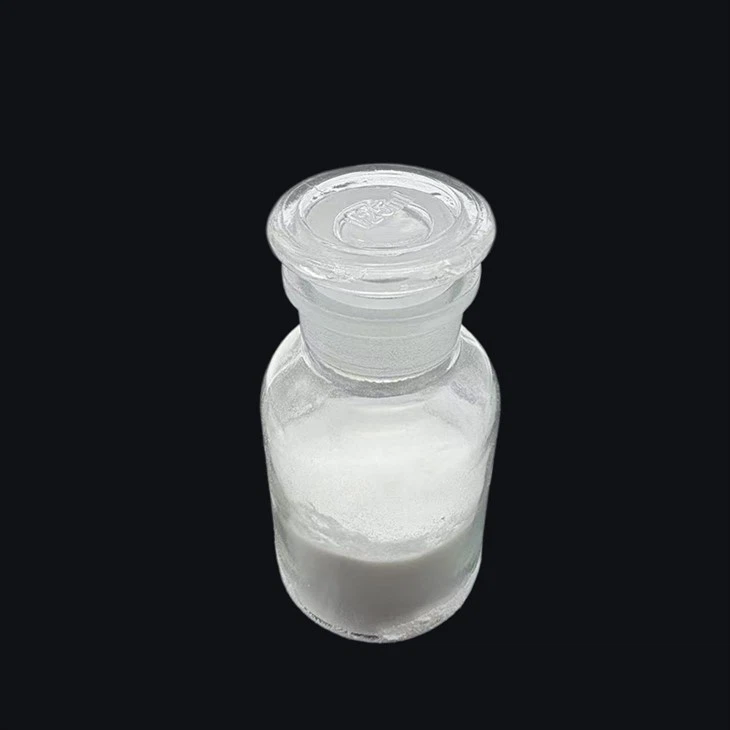
Finally, using Kollidon can lead to cost - savings in the long run. The improved durability, color fastness, and performance of the fabrics can reduce the need for frequent replacements. For example, in industrial textiles used in harsh environments, fabric treated with Kollidon will last longer, reducing maintenance and replacement costs.
Let's Talk Business
If you're in the textile industry and are interested in exploring the potential of Kollidon for your products, I'd love to talk to you. Using Kollidon in your textile processes can give you a competitive edge by improving the quality and performance of your fabrics. Whether you're looking to enhance the moisture - wicking properties of your sportswear, the color fastness of your dyed fabrics, or the strength of your non - woven materials, Kollidon has the potential to meet your needs.
Get in touch with us to start a discussion about how we can customize a Kollidon solution for your specific textile requirements. We're here to help you take your textile business to the next level.
References
- Various research papers on the application of polyvinyl pyrrolidone in different industries.
- Product literature and technical data sheets provided by Kollidon manufacturers.