

 русский
  Kreyòl Ayisyen
 Gaeilgenah Éireann
 Norsk
Norsk Srbija jezik (latinica)
 bosanski
 Português
 Français
 magyar
 বাংলা
বাংলা Polski




As a supplier of Betadine products, I often encounter questions from customers about the appropriate use of Betadine, especially regarding its application on specific body parts like the feet. In this blog post, we'll explore the scientific basis for using Betadine on the feet, its benefits, potential risks, and proper usage guidelines.
Understanding Betadine
Betadine is a well - known antiseptic product that contains the active ingredient polyvinylpyrrolidone - iodine complex. This Polyvinylpyrrolidone - lodine Complex is highly effective in killing a wide range of bacteria, fungi, and viruses. The complex slowly releases iodine, which has strong antimicrobial properties. Iodine works by penetrating the cell walls of microorganisms, disrupting their cellular components and metabolic processes, ultimately leading to their death.
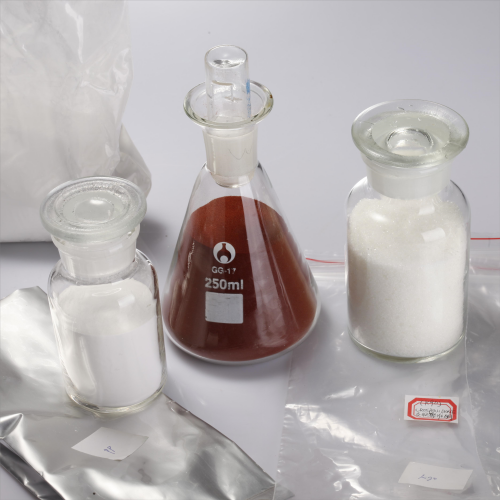
One of the forms of Betadine is Aqueous Povidone Iodine, which is a liquid solution. It is easy to apply and has good coverage on the skin surface. Another related component is Polyvinylpyrrolidone K15, which is involved in the formulation to help stabilize the iodine and ensure its proper release.
Benefits of Using Betadine on the Feet
Antibacterial and Antifungal Action
Our feet are constantly exposed to various environments, and they can easily become contaminated with bacteria and fungi. For example, wearing tight shoes, sweating heavily, or walking in damp areas can create a warm and moist environment that is ideal for the growth of microorganisms. Athletes foot, caused by fungi such as Trichophyton, is a common foot problem that can lead to itching, redness, and peeling of the skin. Betadine can help to eliminate these fungi and prevent the spread of the infection. It can also combat bacterial infections, such as cellulitis, which can cause swelling, pain, and redness in the feet.

Wound Care
Minor cuts, blisters, or abrasions on the feet are common, especially for people who are active or wear ill - fitting shoes. These wounds can become a gateway for bacteria to enter the body. Applying Betadine to the wound can help to clean the area and prevent infection. The antiseptic properties of Betadine reduce the risk of the wound becoming infected, which can speed up the healing process.
Odor Control
The presence of bacteria on the feet can produce an unpleasant odor. By using Betadine to kill the bacteria, it can help to reduce foot odor. This can be a great relief for people who are self - conscious about the smell of their feet.
Potential Risks and Precautions
Allergic Reactions
Although rare, some people may be allergic to iodine or other components in Betadine. Symptoms of an allergic reaction can include itching, redness, swelling, and in severe cases, difficulty breathing. Before using Betadine on a large area of the feet, it is advisable to perform a patch test on a small area of skin. Apply a small amount of Betadine and wait for 24 hours to see if there is any adverse reaction.
Prolonged Use
Prolonged or excessive use of Betadine can cause skin irritation. The iodine can dry out the skin, leading to cracking and flaking. If the skin on the feet appears to be getting worse or if there is an increase in redness, pain, or swelling after using Betadine, it is important to stop using it and consult a healthcare professional.
Interaction with Other Products
Betadine may interact with other medications or products. For example, it should not be used in combination with products containing mercury, as this can lead to the formation of a toxic compound. It is important to inform your doctor or pharmacist if you are using other medications or skincare products on the feet.
Proper Usage of Betadine on the Feet
Preparation
Before applying Betadine, wash your feet thoroughly with mild soap and water. Pat them dry gently with a clean towel. This helps to remove dirt, sweat, and any loose debris from the skin surface.
Application
If you are using an aqueous povidone - iodine solution, pour a small amount onto a clean cotton ball or pad. Gently apply the Betadine to the affected area of the feet. For general antiseptic use, you can apply it to the entire foot, especially the areas between the toes. Make sure to cover all the areas that need treatment. If you are using Betadine on a wound, apply it carefully around the wound, avoiding getting it directly into the open wound if possible. In case of a deep or large wound, it is best to consult a doctor first.
Frequency
The frequency of application depends on the condition of the feet. For minor infections or as a preventive measure, you can apply Betadine once or twice a day. If the condition is more severe, your doctor may recommend a higher frequency of application, but this should be done under medical supervision.
Conclusion
In conclusion, Betadine can be a useful product for maintaining the health of your feet. Its antibacterial, antifungal, and wound - healing properties make it a valuable addition to your foot - care routine. However, it is important to use it properly and be aware of the potential risks. If you have any concerns or questions about using Betadine on your feet, it is always a good idea to consult a healthcare professional.
If you are interested in purchasing Betadine products for your personal or professional use, we are here to assist you. We offer high - quality Betadine products with reliable supply. Contact us to start a procurement discussion and find the best solutions for your needs.
References
- "Antiseptics and Disinfectants: Activity, Action, and Resistance" by Russell, A. D.
- "Textbook of Dermatology" by Rook, A. et al.
- Product information leaflet of Betadine products.